

What is organic?
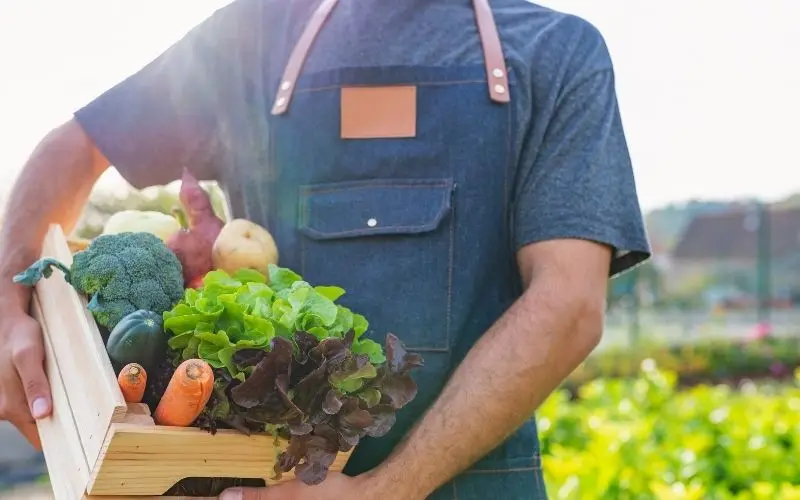
Organic usually refers to all “naturally produced” foods or the product of organic farming. Organic food differs from conventionally produced food in the way it is grown, handled, and processed.
Organic usually refers to the raising of farm produce (fruits, vegetables, meats, dairy products) without the use of synthetic herbicides, pesticides, fertilizers, growth hormones, or routine antibiotics. Organic farming also restricts the use of genetically modified organisms (GMOs) and emphasizes environmentally sustainable farming practices.
A larger part of organic agriculture involves the health of the soil and the ecosystem in which crops and livestock are raised. Organic practices recognize that healthy, living soil and balanced ecosystems benefit crops and livestock alike. Natural soil contains countless microorganisms that interact with plants and minerals to support growth and long-term agricultural productivity.
Organic farming is, in many respects, a return to more traditional agricultural methods. Before the widespread use of synthetic fertilizers and pesticides following World War II, farmers relied largely on composting, crop rotation, natural fertilizers, and biological methods of pest control. While modern agriculture has dramatically increased yields, it has also raised concerns about environmental sustainability, soil health, and the long-term effects of intensive farming practices.
In many countries, the term “certified organic” is legally regulated. Certification standards vary from country to country and can be expensive for small producers to obtain. As a result, some farmers may follow organic growing practices without formally obtaining certification.
The terms “natural” and “organic” are not interchangeable. Other claims such as free-range, hormone-free, and natural may appear on food labels, but these terms do not necessarily mean that a product is certified organic.
Why choose organic?
There are many reasons why people choose organic foods over conventionally produced fruits, vegetables, and other food products.
The global organic food industry has grown significantly over the past two decades as consumers become increasingly interested in food quality, environmental sustainability, and transparency in food production.
A few of the more commonly held reasons for “going organic”:
- Organic food production generally limits the use of synthetic pesticides and fertilizers and emphasizes natural growing methods.
- Some studies have found differences in nutrient content between organic and conventionally grown foods, although results vary depending on the crop, soil quality, climate, and farming methods used.
- Choosing certified organic foods is one way to avoid genetically modified ingredients, as many organic certification standards prohibit their use.
- Choosing organic dairy or meat products helps consumers avoid products from animals routinely raised with growth-promoting drugs or unnecessary antibiotic treatments.
- Many consumers report preferring the taste of organically grown produce, although taste remains highly subjective.
- Organic farmers often seek ways to protect wildlife and biodiversity by reducing reliance on synthetic pesticides and herbicides.
- Sustainable farming practices can help preserve soil quality and reduce environmental impacts associated with intensive agriculture.
Sustainably-grown foods and the environment
In addition to organic farming methods, sustainable agriculture is becoming increasingly important around the world as over-farming and environmental degradation threaten the long-term productivity of agricultural land.
Sustainable agriculture refers to the ability of a farm to continue producing food indefinitely while preserving the soil, water resources, and ecosystems upon which farming depends.
Practices that can damage soil include excessive tillage leading to erosion, and irrigation without adequate drainage leading to salt accumulation.
A number of development and aid projects in Indonesia continue to work with local farmers to develop more sustainable growing methods that will ensure future generations can continue to benefit from the land.
These methods include:
- Recycling crop waste and livestock manure
- Composting organic matter to replenish soil nutrients
- Growing legume crops such as peanuts and beans that naturally fix nitrogen in the soil
- Improving water management and irrigation practices
- Reducing dependence on synthetic fertilizers
All of these efforts share a common goal: conserving soil and water resources while protecting environmental quality and supporting the health and well-being of future generations.
Where can you buy organic foods in Indonesia
Finding organic and sustainably produced food in Indonesia has become considerably easier over the past decade.
Specialty health food stores can be found in most major cities, and many premium supermarkets now carry a wide selection of organic produce, grains, dairy products, snacks, and household items. Online grocery platforms have also made organic products more accessible to consumers throughout Indonesia.
Try an organic restaurant and discover how organic ingredients can contribute to fresh and flavorful meals. Many restaurants are happy to discuss their ingredients and sourcing practices.
Fortunately for most expatriates, Indonesia’s abundance of fresh fruits and vegetables, combined with the availability of household staff in many expatriate households, makes it relatively easy to prepare healthy meals at home.

Organic packaged foods, grains, baby products, supplements, and natural household products are far easier to find today than when this article was originally written. Jakarta, Bali, Surabaya, and other major cities offer a growing range of options.
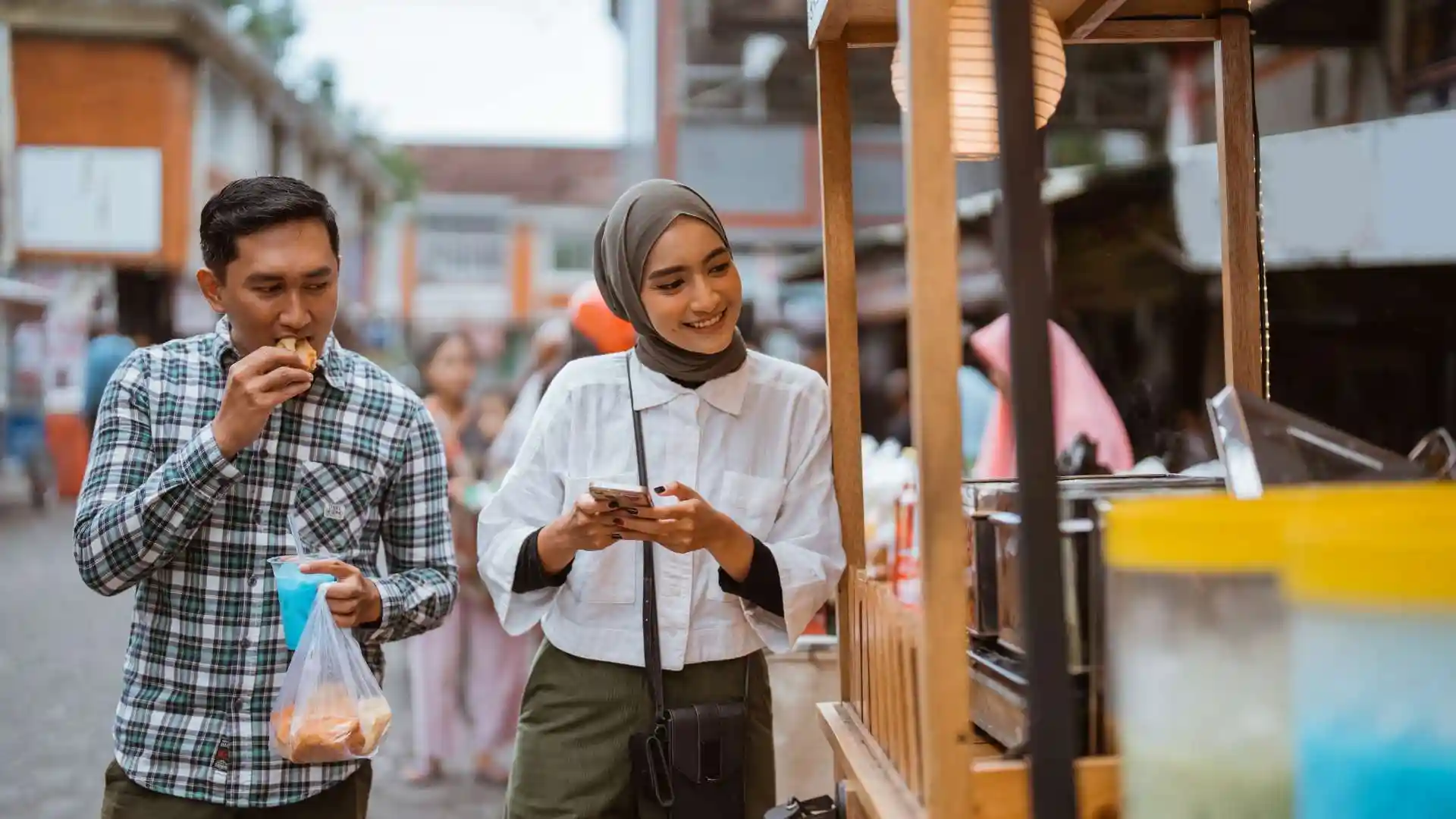
Traditional markets sell an astounding variety of produce, yet there is often no practical way for consumers to verify whether products were grown using organic methods. Some vendors may describe products as “organic” even when no certification exists.
Consumers should be aware that not all products marketed as organic are formally certified. Some small farmers follow organic growing practices but choose not to pursue certification due to the associated costs.
The effects of air pollution on produce grown near large urban centres is another consideration for some consumers.
Once you embrace the concept of organic living, you may find opportunities to make changes in many aspects of your lifestyle, including food, clothing, household products, personal care products, and gardening practices.
Many people find that paying greater attention to the quality and origin of their food encourages healthier eating habits and a greater appreciation for environmental sustainability.
Learn more about organic living through reputable books, research, local organizations, and educational resources. Eating well remains one of the cornerstones of preventive health and overall wellbeing.
A few organic resources in Jakarta
YUM Organic Farm
YUM Organic Farm continues to operate in West Java and supplies organic vegetables to customers in Jakarta. Established as a social enterprise of Yayasan Usaha Mulia (YUM), the farm supports educational and community development programs while promoting sustainable farming practices. Verification completed June 2026. (yumindonesia.org)
The Learning Farm, Puncak
The Learning Farm continues to operate as a vocational training centre that teaches sustainable agriculture and life skills to disadvantaged youth.
Ranch Market
Ranch Market remains one of Indonesia’s best-known premium grocery chains and continues to stock a wide range of imported and locally sourced organic products, healthy foods, and specialty grocery items. (ranchmarket.co.id)
Healthy Choice
Healthy Choice continues to operate as a supplier of organic foods and healthy products in Jakarta, with both retail and online sales channels. (Healthy Choice ID)
Selected branches of Hero, Food Hall, Kem Chicks, Grand Lucky, Farmers Market and other premium supermarkets often carry organic produce and specialty health foods. Product selection varies by location.
Bali
Bali remains one of Indonesia’s leading destinations for organic food, sustainable agriculture, wellness tourism, and farm-to-table dining. Ubud in particular continues to attract residents and visitors interested in healthy living and locally sourced foods. Numerous cafés, organic farms, and community markets operate throughout the island.
Frequently Asked Questions
Is organic food widely available in Indonesia?
Yes. Organic food is increasingly available in Jakarta, Bali, Surabaya, Bandung, and other major cities through supermarkets, specialty retailers, and online grocery services.
Where can I buy organic food in Jakarta?
Popular options include Ranch Market, Kem Chicks, Grand Lucky, Healthy Choice, Farmers Market, and various online grocery platforms.
Is organic food more expensive in Indonesia?
Generally yes. Organic products often command a premium price due to production methods, certification costs, and lower production volumes.
How can I tell if food is genuinely organic?
Look for recognized certification labels where available, ask retailers about sourcing practices, and purchase from reputable suppliers whenever possible.
Can I buy organic food online in Indonesia?
Yes. Many farms, specialty retailers, and online grocery services now offer home delivery in Jakarta, Bali, Surabaya, and other urban centres.