

The way people stay in touch with Indonesia has changed completely since this article was first written. If you arrived here looking for information about SMS workarounds, dial-up services, or carrier roaming agreements — those days are long gone. Today, staying connected with friends, family, and colleagues in Indonesia is easier and cheaper than ever, thanks to smartphones and internet-based messaging apps.
WhatsApp Is the Answer
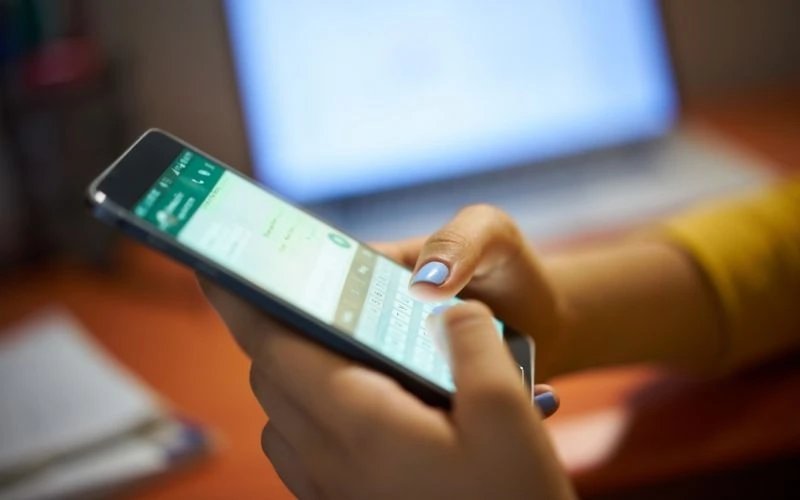
If there is one thing you need to know, it is this: in Indonesia, almost everyone uses WhatsApp — often abbreviated as “WA” and referred to locally as “We-Ah.” WhatsApp Messenger is consistently the top-ranked communication app in Indonesia.
WhatsApp facilitates text messaging, voice calls, and video calls, and is a primary mode of communication for both personal and professional interactions. It works over any internet connection — Wi-Fi, mobile data, or even a slow connection — and it is completely free between users.
If the person you want to reach in Indonesia is not already on WhatsApp, ask them to download it. It takes two minutes and they almost certainly know someone who will help them set it up.
Other Apps Worth Knowing
While WhatsApp dominates, a few other apps have meaningful user bases in Indonesia:
Telegram — Telegram has reached one billion monthly active users globally and is growing steadily. It is used in Indonesia, particularly among tech-savvy users and in group communities. It handles very large group chats well and is a good backup option.
LINE — LINE offers more than just messaging and calls; it includes stickers, news updates, and a timeline feature. It retains a following in Indonesia, particularly among younger users, though WhatsApp has largely overtaken it for day-to-day communication.
Facebook Messenger — Still widely used in Indonesia, particularly among older users and in areas with strong Facebook penetration.
Instagram DMs — If the person you are contacting is active on Instagram, a direct message there is perfectly normal and widely accepted in Indonesia.

What About Regular SMS?
Traditional SMS between international numbers still works technically, but it is rarely the right choice. Messaging apps save data and help you avoid high roaming costs — use WhatsApp or Facebook Messenger instead of SMS to avoid expensive charges. Unless you have a specific reason to use SMS (such as two-factor authentication codes), there is almost no situation where it makes more sense than a free messaging app.
Staying Connected While in Indonesia
If you are travelling to Indonesia or living there as an expat, here are your main connectivity options:
Local SIM Card — Indonesia’s three main carriers are Telkomsel (widest coverage, especially outside big cities), XL Axiata (good urban coverage and competitive pricing), and Indosat IM3 (often attractive data bundles and promos). Prepaid SIM cards range between IDR 10,000 and IDR 50,000, which at current exchange rates is roughly $0.60–$3 USD — an exceptional value. Most plans include generous data allowances.
Important for foreigners buying a SIM: bring your passport and buy from an official outlet. Corner shops and unbranded kiosks can sell a SIM but often cannot complete foreigner registration, which is why many travellers end up with a non-working card until they visit a carrier store.
eSIM — If your phone supports eSIM, this is increasingly the most convenient option. You can purchase and activate a plan before you even board your flight. Local providers like Telkomsel, Indosat, and XL Axiata support tourist-friendly eSIM plans — no physical SIM card needed. International eSIM providers such as Holafly and Airalo also offer Indonesia plans.
International Roaming — International roaming in Indonesia works with carriers like Verizon, AT&T, T-Mobile, Optus, Telstra, and Vodafone, but costs can be significantly higher than local options. Check your carrier’s international plan before travelling — some, like T-Mobile’s Experience plans, include Indonesia at no extra cost up to a certain data threshold.
Pocket Wi-Fi — A rental pocket Wi-Fi device is useful for groups or people with multiple devices, though it is generally more expensive than a local SIM.
Tips for Expats
- Set up WhatsApp before you arrive. You will need it immediately — for everything from finding accommodation to communicating with your landlord, employer, and local services.
- Indonesian phone numbers start with +62. When saving contacts or sending messages internationally, replace the leading 0 with +62 (e.g. 0812-xxx becomes +62812-xxx).
- WhatsApp groups are central to Indonesian social and professional life. Many workplaces run multiple WhatsApp groups — one for work tasks, another for general chat. Do not be surprised to receive work messages via WhatsApp at any hour.
- If you switch to a local SIM, transfer your WhatsApp. Use WhatsApp’s built-in Change Number feature to keep all your chats and group memberships when you move to an Indonesian number.
- Indonesia’s mobile network is strong in cities but variable in rural areas and on smaller islands. Telkomsel generally has the best coverage across the archipelago.
Indonesian Mobile Carriers (2025)
Indonesia’s SMS and mobile infrastructure relies on three major carriers following the XL Axiata–Smartfren merger completed in January 2025: Telkomsel (approximately 45% subscriber market share), Indosat Ooredoo Hutchison (around 28%), and XL Axiata/XLSmart (around 27%).
| Carrier | Known For |
|---|---|
| Telkomsel | Best nationwide coverage, largest network |
| Indosat Ooredoo Hutchison (IM3) | Competitive data bundles |
| XL Axiata / XLSmart | Good urban coverage, value plans |
Have something to add? Contact the webmaster and we will update the article.