

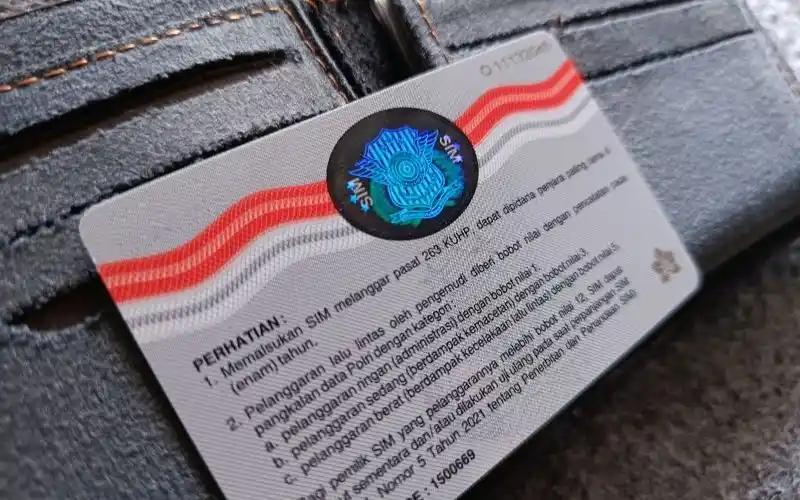
If you are an expatriate living in Indonesia and want to drive a car or motorcycle, you will need an Indonesian driver’s license known as a SIM (Surat Izin Mengemudi). Driving in Indonesia requires a valid license issued by the Indonesian National Police, and long-term residents are generally expected to obtain a local SIM rather than relying on a foreign driver’s license.
While some short-term visitors drive using a foreign license together with an International Driving Permit (IDP), expatriates who live in Indonesia for extended periods are typically required to obtain an Indonesian driver’s license.
Can Foreigners Drive in Indonesia?
Yes. Foreign visitors and expatriates can legally drive in Indonesia, provided they hold a valid driver’s license that is recognized under Indonesian regulations. Short-term visitors may drive using a valid driver’s license from their home country together with an International Driving Permit (IDP).
However, expatriates who live in Indonesia for longer periods are generally expected to obtain an Indonesian driver’s license known as a SIM (Surat Izin Mengemudi).
Before You Drive in Indonesia
If you are planning to drive in Indonesia, keep the following key points in mind:
- Long-term residents are generally expected to obtain an Indonesian driver’s license (SIM).
- A foreign license together with an International Driving Permit (IDP) may be accepted for short visits but is not intended for long-term residency.
- Driver’s licenses are valid for five years and expire on the holder’s birthday.
- If the license expires, it usually cannot simply be renewed and the applicant may need to repeat the full application process.
- A separate license is required for motorcycles (SIM C) and cars (SIM A).
- Vehicle insurance is not mandatory, which can complicate accident situations.
Understanding these basic rules can help expatriates avoid problems and drive more confidently while living in Indonesia.
Can Foreigners Get a Driver’s License in Indonesia?
Yes. Foreign residents who hold a valid stay permit such as a KITAS or KITAP are eligible to apply for an Indonesian driver’s license.
The application process for expatriates is generally the same as for Indonesian citizens. Applicants must submit their immigration documents, pass the written theory test, and complete the practical driving test. Once these requirements are met, the license is issued by the Indonesian National Police.
Most expatriates obtain one of the following licenses:
- SIM A for driving private cars
- SIM C for driving motorcycles
Types of Indonesian Driver’s Licenses
Indonesia issues several types of driving licenses depending on the vehicle being operated.
| License Type | Vehicle Category |
|---|---|
| SIM A | Private passenger cars |
| SIM B1 | Larger commercial vehicles |
| SIM B2 | Heavy commercial vehicles |
| SIM C | Motorcycles |
For most expatriates living in Indonesia, the licenses that are most relevant are SIM A and SIM C.
Where to Apply
Driver’s licenses are issued by the Indonesian National Police through designated licensing offices known as SATPAS (Satuan Penyelenggara Administrasi SIM).
Applicants normally apply in person at a police licensing office in the city where they reside.
In many large cities such as Jakarta, Surabaya, and Bandung, there are several SATPAS locations that provide licensing services.
Indonesia also operates mobile renewal units known as SIM Keliling. These mobile service vehicles travel to different locations throughout major cities and allow drivers to renew an existing license without visiting a main licensing office. SIM Keliling services generally handle renewals only and are not used for first-time applications.
Requirements
The basic requirements for obtaining a driver’s license in Indonesia typically include:
- A valid passport
- A valid stay permit such as a KITAS or KITAP
- Completion of the application form
- Passing a written test
- Passing a practical driving test
- A medical certificate confirming the applicant is fit to drive
The medical certificate is usually issued by a doctor located at or near the licensing office. Applicants may also be required to complete a short vision test.
At most licensing offices, digital photographs and biometric identification are now taken as part of the application process.
Application Process
The process for obtaining a driver’s license normally involves several steps.
Applicants first complete the application form and submit the required documentation.
Applicants must then take a written theory test, which is usually administered on a computer at the licensing office. The test evaluates knowledge of Indonesian traffic rules and safe driving practices.
Those who pass the written test will then proceed to the practical driving test.
The practical test is conducted on a designated course within the licensing facility and evaluates the applicant’s ability to control the vehicle safely.
In some cases, expatriates have reported that the practical driving test has occasionally been waived if the applicant already holds a valid driver’s license from their home country. However, under the official procedure, applicants are normally required to complete both the written and practical driving tests in order to obtain a SIM.
Some testing centres provide vehicles for the driving test, while others may require applicants to bring a vehicle.
Fees
The official fees for driver’s licenses in Indonesia are regulated by government regulation.
Under Government Regulation No. 60 of 2016, the approximate official fees are:

| License | Official Fee |
|---|---|
| SIM A | about Rp120,000 |
| SIM C | about Rp100,000 |
| Renewal | about Rp80,000 |
Additional costs may apply for items such as the medical certificate, insurance contributions, or administrative processing. The exact total cost may vary slightly depending on the location and services used. Applicants should verify current fees with the licensing office.
Renewal of a Driver’s License
Driver’s licenses in Indonesia are normally valid for five years.
Under current regulations, the expiration date of the license is tied to the holder’s birthday, rather than the original issue date. This means the SIM typically expires on the driver’s birthday in the fifth year.
Renewal must be completed before the expiration date.
If a driver’s license has already expired, it is usually no longer possible to simply renew it. In most cases the applicant must apply for a new license, which means repeating the written theory test and the practical driving test.
Because of this rule, drivers are strongly advised to renew their license before the expiration date.
Many drivers renew their licenses through SIM Keliling mobile service units or designated renewal counters located in shopping centres.
The Indonesian police have also introduced digital services through the SIM Digital Presisi mobile application, which allows users to access certain services online, including license information and renewal requests.
International Driving Permits
Foreign visitors sometimes rely on an International Driving Permit (IDP) when arriving in Indonesia.
An International Driving Permit is only valid when presented together with the original driver’s license from the issuing country. It primarily serves as a translation of the original license.
While an IDP may be accepted for short visits or tourists, expatriates who reside in Indonesia for longer periods are generally expected to obtain an Indonesian driver’s license.
Practical Advice for Expat Drivers
Driving conditions in Indonesia can be very different from those in many Western countries.
Traffic density, road conditions, and driving styles vary significantly between cities. In large urban areas such as Jakarta, traffic congestion can be heavy and driving requires patience and defensive driving skills.
Another important consideration is insurance. Vehicle insurance is not mandatory in Indonesia, and many vehicles on the road are uninsured. In the event of an accident, even if you believe you are not at fault, the situation may sometimes be resolved informally between the parties involved. In practice, responsibility for covering damages may fall on the person who appears most able to pay for them. In many cases this can place expatriates in a difficult position.
Because of this potential financial and legal risk, many multinational companies consider private driving a liability for their expatriate employees. As a result, some companies do not allow their expat staff to drive and instead provide a company driver or transportation allowance.
Motorcycles are extremely common in Indonesia and are often involved in traffic accidents. Helmets are legally required for both drivers and passengers, but in practice not everyone follows this rule. Accidents involving motorcycles can quickly attract attention from bystanders, and situations can sometimes become complicated if injuries or damage are involved.
In many cases, people prefer to resolve minor accidents directly between the parties rather than involving the police. Calling the police does not always simplify the situation, and for smaller incidents it may not change the outcome. However, if there is a significant insurance claim, serious injury, or major vehicle damage, a formal police report may be required.
Some expatriates also choose to use documentation service providers who assist with preparing the paperwork required to obtain a driver’s license. These services help applicants complete forms, organize the required documents, and guide them through the process. In many cases the applicant only needs to visit the SATPAS (Satuan Penyelenggara Administrasi SIM) office for the final steps such as taking a photograph, providing biometric identification, or completing the last stage of processing.
For expatriates with busy work schedules, the small service fee charged by these providers is often considered worthwhile for the time saved navigating the administrative process. These documentation services operate independently, and applicants should ensure that any assistance used follows official procedures and regulations established by the Indonesian authorities.
For these reasons, many expatriates choose to hire a driver rather than drive themselves, particularly when they first arrive in Indonesia and are still becoming familiar with local driving conditions.
Driving Etiquette and Road Culture in Indonesia
At first glance, traffic in Indonesia can appear chaotic to newcomers. Motorcycles weave through traffic, vehicles merge closely together, and road markings are not always followed. However, while the driving environment may look disorderly, there are actually relatively few cases of road rage compared to many Western countries.
Most drivers understand that small scratches, dents, and minor bumps are sometimes part of everyday driving, especially in crowded urban areas. As a result, drivers tend to be more tolerant of minor incidents and are often more focused on continuing their journey than escalating the situation.
Honking is also commonly misunderstood by newcomers. In many Western countries, a car horn is used primarily to express frustration or anger. In Indonesia, however, honking is often simply used to get another driver’s attention or signal presence, particularly when overtaking or approaching a busy intersection.
Merging into traffic can sometimes require assistance from informal helpers often referred to locally as “Mr. Cepai.” These individuals may stand at busy intersections or roadside entrances and step into the road to signal approaching vehicles to stop so that another vehicle can enter the traffic flow. Drivers will often give them a small tip for their assistance.
Another driving habit that surprises newcomers involves intersections. In many countries, drivers are careful to keep intersections clear when traffic stops at a red light. In Indonesia, however, drivers often continue to move forward even if the intersection becomes blocked. If you deliberately leave space to keep the intersection clear, drivers behind you may become impatient or honk because they may not understand why you are leaving the gap.
One structural reason for some of these driving patterns is the relatively low police-to-population ratio in Indonesia. Compared to many countries, there are fewer traffic police available to enforce road rules consistently. Because enforcement can be limited, some drivers do not feel the same pressure to strictly follow traffic regulations that might exist in other countries.
Understanding these informal driving norms can help expatriates better interpret what they see on the road and adjust their expectations when driving in Indonesia.