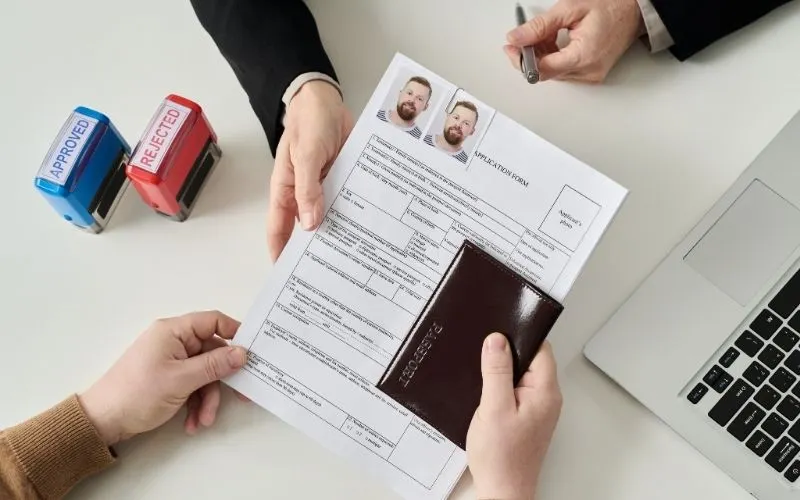



Overstaying your visa in Indonesia is a situation that can happen more easily than many expatriates expect, especially when travel plans change, extensions are misunderstood, or dates are miscalculated. While Indonesia is generally welcoming to foreigners, immigration rules are taken seriously and penalties for overstaying can be strict.
Even a short overstay of one or two days can result in fines, delays at the airport, and unnecessary stress at departure. Understanding the rules and acting quickly if you realise you have overstayed will help you manage the situation calmly and correctly.
What is considered an overstay?
An overstay occurs when you remain in Indonesia beyond the expiry date of your visa or stay permit. This applies to all visa types, including Visa on Arrival (VOA), e-VOA, social and business visas, as well as KITAS and KITAP holders.
It is important to note that the expiry date is exact. There is no grace period, even if your overstay is only a few hours past midnight.
It is also important to understand that the expiry date is inclusive. This means you are still allowed to leave Indonesia on the date your visa expires. However, you must pass through immigration (passport control) on or before that date. If your departure process takes place after midnight, even by a small margin, it will be considered an overstay and you may be subject to a fine.
For this reason, many expatriates choose to leave at least one day before their visa expires. This is especially important in Indonesia, where flight delays can occur due to heavy traffic at airports, weather conditions during the rainy season, or disruptions such as volcanic activity, all of which can impact departure timing.
Expat Tip Even though you are allowed to leave on the expiry date, it is often safer to schedule your departure one day earlier. Flight delays are not uncommon in Indonesia, particularly during the rainy season or periods of volcanic activity. A small delay could push your departure past midnight and result in an unintended overstay fine.
Penalties for overstaying
Foreigners who overstay their visa are subject to a daily fine. The current fine is generally understood to be IDR 1,000,000 per day, although it is always advisable to verify the latest regulation before travel.
The outcome depends on the length of the overstay.
| Length of Overstay | Likely Outcome |
|---|---|
| 1–3 days | Daily fine, usually straightforward to resolve |
| Up to 60 days | Daily fine, possible questioning by immigration |
| More than 60 days | Detention, deportation, and potential blacklisting |
The fine is typically settled either at the airport during departure processing or at an immigration office prior to leaving Indonesia, depending on the situation.
What happens if you overstay more than 60 days?
If you overstay for more than 60 days, the situation becomes more serious. Immigration authorities may detain you and initiate deportation procedures. This can involve being held at an immigration detention facility while arrangements are made.
In addition, you may be subject to a re-entry ban. The duration of any blacklist period can vary, and you would need to confirm this directly with immigration authorities.
What happens at the airport if you have overstayed?
If your overstay is relatively short, typically under 60 days, you can usually still depart Indonesia through the airport.
Immigration officers will identify the overstay during passport control and direct you to settle the applicable fine. This process can take time, especially during busy travel periods, so it is wise to arrive earlier than usual for your flight.
Payment is typically expected in Indonesian Rupiah, and you should be prepared for some waiting while the process is completed.
Common situations that lead to overstaying
Many overstays happen unintentionally. Some of the most common reasons include misunderstanding the visa expiry date, assuming weekends or public holidays extend validity, or confusion around extension procedures.
It is also not uncommon for people to rely on an agent or third party and assume that an extension has been processed when it has not. Changes in travel plans or unexpected personal situations can also lead to overstays.
In Indonesia, public holidays can also play a significant role. There are many national holidays throughout the year, and particularly during the Idul Fitri period, government offices, including immigration, may close for an extended time. If your visa is nearing expiry during this period, it is important not to leave your paperwork until the last minute.
Although immigration processes have improved in recent years, they can still be slow and time-consuming. Even if you are using an agent, the responsibility ultimately remains with the visa holder. It is important to follow up and confirm that your extension has been completed correctly.

Expat Tip Children born to an expatriate father may acquire the nationality of the father and therefore may require a visa to remain in Indonesia. If this is not properly managed, it can result in a significant overstay for the child. This situation is often only discovered when the family plans to travel abroad, which can lead to unexpected fines and administrative complications. It is crucial to establish the child’s nationality quickly after birth and maintain the correct visa paperwork as soon as possible.
Expat Tip Children who are living in Indonesia under a parent-sponsored visa, such as a dependent KITAS, will typically need to change their immigration status once they turn 18. This often happens during their final year of high school.
At this point, they may no longer qualify as a dependent and will need a new sponsor. In many cases, this may involve transitioning to a student visa sponsored by their school, or another appropriate visa depending on their situation.
If this transition is not planned in advance, it can lead to an unintentional overstay while the family assumes the existing visa is still valid. It is important to review your child’s visa status well before their 18th birthday and coordinate with your sponsor, school, or agent to ensure a smooth transition.
Cultural insight and practical advice
In Indonesia, how you handle the situation matters just as much as the situation itself.
Remaining calm, polite, and respectful when dealing with immigration officers will make a significant difference. Avoid arguing or placing blame, even if a misunderstanding or third party error contributed to the issue.
A cooperative and respectful approach aligns with Indonesian cultural values and will generally result in a smoother and more straightforward resolution.
How to avoid overstaying your visa
A few simple habits can help you avoid overstaying altogether.
Set reminders several days or weeks before your visa expires, and keep both digital and printed copies of your visa details. If you are extending your stay, confirm directly with immigration or a trusted agent that the process has been completed.
It is also wise to allow extra time if your visa expires near weekends or public holidays, and never assume there is flexibility in the expiry date.
Special note for KITAS and long-term visa holders
If you are on a KITAS or other long-term stay permit, overstaying can involve additional administrative complications, including the involvement of your sponsor or employer.
In these situations, it is important to address the issue immediately and coordinate closely with your sponsor or agent to resolve it correctly.
Conclusion
While overstaying your visa in Indonesia is not uncommon, it is important to address the situation quickly and responsibly. In most short overstay cases, the issue can be resolved by paying a fine, but longer overstays carry more serious consequences.
If you are unsure about your visa status, it is always better to check early rather than wait until departure day.
Frequently Asked Questions Overstaying Your Visa
Can I leave Indonesia if I have overstayed my visa?
Yes, if the overstay is under 60 days, you can usually leave by paying the applicable fine at the airport or immigration office.
How much is the overstay fine in Indonesia?
The fine is commonly understood to be IDR 1,000,000 per day, but you should verify the current rate before travel.
What happens if I overstay by one day?
Even a one-day overstay is subject to a fine. There is no grace period.
Can I pay the overstay fine at the airport?
In many cases, yes. However, procedures may vary depending on your situation.
Will I be banned from Indonesia for overstaying?
Only in more serious cases, typically when the overstay exceeds 60 days or involves other violations.