

Background
Polio (poliomyelitis) is a highly infectious viral disease that primarily affects infants and young children, although unvaccinated adults can also become infected. The virus attacks the nervous system and, in severe cases, can cause irreversible paralysis within hours. While most infections produce few or no symptoms, infected individuals can still spread the virus to others.
Thanks to decades of global vaccination efforts led by the Global Polio Eradication Initiative (GPEI), polio has been eliminated from most countries worldwide. Today, wild poliovirus remains endemic in only a small number of countries. However, outbreaks of circulating vaccine-derived poliovirus (cVDPV) continue to occur in areas where childhood vaccination coverage has fallen.
Although the risk of contracting polio is very low for fully vaccinated people, maintaining high immunization rates remains essential. In an increasingly connected world, infectious diseases can cross borders quickly through international travel. (GPEI)
How Polio Spreads
Polio is transmitted primarily through the fecal-oral route, usually by consuming food or water contaminated with the virus. Less commonly, transmission may occur through oral secretions.
Good sanitation, proper handwashing, safe drinking water and complete vaccination greatly reduce the risk of infection.
The majority of infected people experience either no symptoms or only mild flu-like illness. In a small percentage of cases, however, the virus attacks the spinal cord, leading to permanent muscle weakness or paralysis. In severe cases, paralysis of the breathing muscles can be life-threatening.
Polio in Indonesia
Indonesia was certified polio-free in 2014. However, beginning in late 2022, several cases of circulating vaccine-derived poliovirus type 2 (cVDPV2) were detected in a number of provinces, including Aceh, West Java, Central Java, East Java, Papua and North Maluku. These outbreaks occurred primarily in communities with low routine childhood immunization coverage.
The Indonesian Ministry of Health, working closely with the World Health Organization (WHO), UNICEF and other partners, launched extensive vaccination campaigns covering millions of children. Following these nationwide efforts and strengthened disease surveillance, WHO officially declared Indonesia’s cVDPV2 outbreak closed in November 2025 after no new virus detections since June 2024. (GPEI)
The successful response demonstrates the importance of maintaining high vaccination coverage, as poliovirus can re-emerge whenever immunization rates decline.
Polio Vaccination
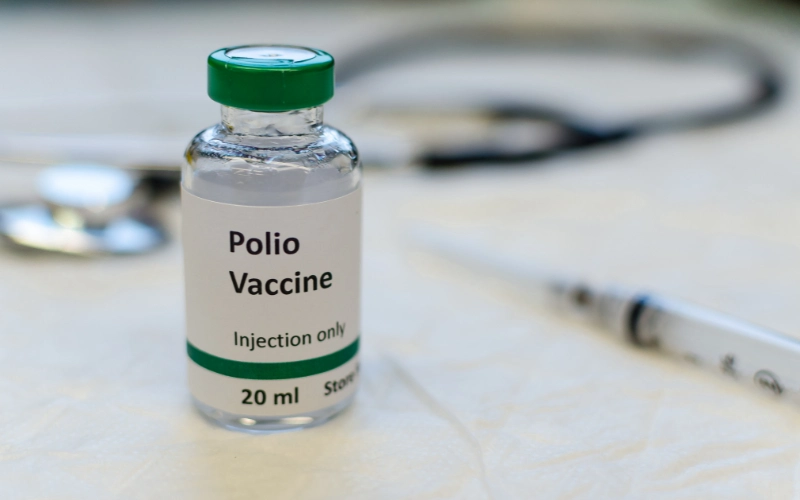
Two types of polio vaccine are used globally:

- Inactivated Polio Vaccine (IPV), given by injection, which is now the routine vaccine used in many countries, including Indonesia.
- Oral Polio Vaccine (OPV), which is still used in some countries and during outbreak response campaigns because it provides rapid community protection.
Current immunization schedules for children include multiple doses of polio vaccine beginning in infancy. Parents should ensure children complete the full recommended vaccination schedule according to their healthcare provider or national immunization program.
Recommendations for Residents and Travellers
Children should receive the complete recommended series of polio vaccinations.
Adults who have never been vaccinated or who did not complete the recommended childhood series should complete their vaccination schedule.
Adults who previously completed the full childhood vaccination series generally have long-lasting protection. However, travellers visiting countries where poliovirus is circulating may be advised to receive a single lifetime IPV booster before travel, particularly if recommended by their healthcare provider or national public health authority. (World Health Organization)
Anyone uncertain of their vaccination history should consult their doctor or a travel medicine clinic before travelling.
Preventing Infection
In addition to vaccination:
- Wash hands thoroughly with soap and water, especially after using the toilet and before eating.
- Drink safe, clean water.
- Practice good food hygiene.
- Ensure children receive all recommended routine immunizations.
Vaccination remains by far the most effective protection against polio.
Final Note
The information provided here is intended as general health information and should not replace advice from your personal physician or travel medicine specialist. Individual vaccination recommendations may vary depending on age, previous immunization history, destination and underlying medical conditions.
Article credit
Our appreciation to Hill & Associates for originally sharing this update from Dr. Uwe Stocker of International SOS, whose expertise helped inform expatriates and travellers about polio and vaccination recommendations in Indonesia.