

Indonesian government official health requirements
A yellow fever vaccination certificate is required for travelers aged 9 months and older arriving in Indonesia from a country with risk of yellow fever transmission. Indonesia itself has no yellow fever risk, so this requirement depends on your travel history before arrival, not simply on visiting Indonesia.
Indonesia’s vaccination coverage and public health infrastructure still vary considerably outside the major cities, and outbreaks of vaccine preventable diseases continue to occur periodically across the country. Other diseases remain endemic due to natural or manmade environmental factors. For these reasons, specific precautions, including but not limited to immunizations, remain an important part of preparing for a move to Indonesia.
Recommended Vaccinations/Immunizations
All standard immunizations should be current, including MMR (measles, mumps and rubella) and DT (diphtheria and tetanus). In addition, the following are recommended:
- Hepatitis A
- Tetanus
- Hepatitis B
- Typhoid
- Rabies (depending on location and occupational risk; increasingly recommended for anyone planning extended time in Bali, see below)
- Adult polio booster
- Japanese B encephalitis (in certain areas)
- Malaria prophylaxis
- COVID-19 vaccination is no longer required for entry, but staying current remains a sensible precaution, particularly for older travelers or those with underlying health conditions
One of the most important things a parent can do for their child is make sure routine childhood vaccinations are complete and up to date. It remains the most effective way of protecting them against a range of serious and potentially fatal infectious diseases, and in a country where access to international standard healthcare can still be limited outside the main cities, the importance of immunization cannot be overstated.
Vaccination schedules vary slightly in timing between countries, so we suggest following the schedule from your country of origin, usually available on that country’s health ministry website. Additional vaccinations commonly recommended for residents of Indonesia include Hepatitis A (from 12 months of age), typhoid, Japanese Encephalitis and Rabies. BCG is included in most routine childhood schedules for at risk children, and residing in Indonesia, where tuberculosis remains endemic, is generally considered an indication for this vaccination.
For further detailed and up to date information about immunizations, vaccination schedules and vaccine preventable diseases, refer to the Centers for Disease Control and Prevention, the World Health Organization, or your home country’s health ministry.
Potential diseases
Insect borne illnesses that should be considered include:
- Dengue fever and Dengue haemorrhagic fever
- Chikungunya
- Zika (present at low levels; a particular consideration for pregnant travelers)
- Filariasis (in some rural areas)
- Japanese B encephalitis (rural and some resort areas, including Bali)
- Malaria (excluding most urban areas)
- Scrub typhus
- Typhus
Loose, light clothing protects against insects. When in long grass, tuck trousers into socks. Avoid wading through swamps and brushing against jungle flora. Liberal use of insect repellent on ankles, cuffs, collar and waist will help reduce bites.
Ticks (small, eight legged insects that feed on blood) are an increasing source of infection worldwide. Some transmit serious infections, but all leave a bite that can easily become infected by other micro-organisms. When forcibly or incompletely removed, remnants of a tick’s mouthparts are prone to causing infection at the bite site. Backpackers and campers should take particular care in tick infested areas such as forests.
Preventing Mosquito Bites
Simple personal protective measures greatly reduce the risk of being bitten by the anopheles (malaria carrying) mosquito. Because of its nighttime feeding habits, malaria transmission occurs primarily between dusk and dawn, whereas the dengue carrying mosquito tends to bite during daylight.
Mosquitoes breed in or near water that is stagnant or slow moving, and only the female bites, since she requires a blood meal to lay her eggs. In doing so she may acquire new disease organisms that are passed on to subsequent bite victims. Mosquitoes transmit more than fifty significant diseases worldwide, including malaria, dengue fever, Chikungunya, Japanese B encephalitis, yellow fever, and a range of other regional fevers.
Urban mosquitoes breed in pools of standing water such as empty tins, old tires, coconut shells, and saucers under potted plants. Rural mosquitoes breed in rice paddies, stagnant ponds and slow moving streams. Controlling breeding sites close to human habitation matters, since mosquitoes typically have a flight range of less than one kilometre from where they hatched.
Other useful precautions include:
- changing water in flower pots weekly after a thorough wash
- avoiding plant trays with standing water
- scrubbing plant trays weekly to remove mosquito eggs
- covering water containers and anything that traps rainwater
- keeping roof gutters clear
- draining or filling areas of standing water, aside from aerated swimming pools and ornamental ponds
- using larvicides or mosquito larvae eating fish where water cannot be drained
- fitting screens on doors and windows, and mosquito nets on beds
Food and water borne illnesses in Indonesia
These illnesses remain common in Indonesia and include:
- Bacterial, parasitic and viral gastroenteritis / traveler’s diarrhoea (frequent)
- Cholera (rare)
- Clonorchiasis
- Hydatid disease
- Melioidosis
- Parasitic intestinal worms and flukes
- Typhoid fever (common)
- Viral hepatitis
Clean water, modern sanitation and safe food storage remain inconsistent outside the major cities, so travelers and residents need to take personal responsibility for safe food and drink. Drink only water known to be safe; bottled or carbonated water is generally reliable from reputable, sealed sources, but standards can vary. Avoid ice of uncertain origin, salads, uncooked seafood and pre-peeled fruit when in doubt. Tap water should be brought to a rolling boil for at least one minute (three minutes above 2,000 metres altitude) before drinking, or treated with a reliable filter or purification tablets.
For information on HIV/AIDS in Indonesia, please see our STDs page.
Other diseases to be aware of include:
- Rabies, endemic in 26 of Indonesia’s 38 provinces according to the Ministry of Health (2025)
- Schistosomiasis (historically limited to parts of Sulawesi)
- Yaws
Rabies and Bali: what residents need to know
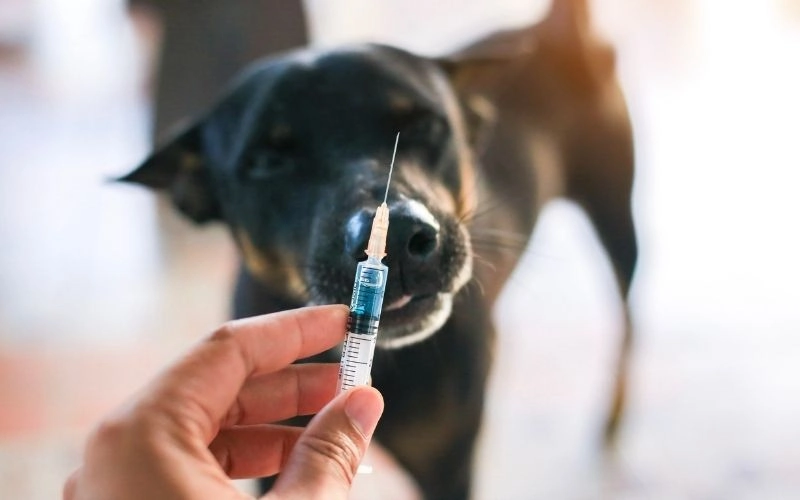
Bali was long considered rabies free, but the island experienced its first confirmed outbreak in November 2008, which led to more than 130 human deaths in the years that followed. Despite ongoing mass dog vaccination campaigns, rabies has never been fully eliminated from Bali, and localised flare ups continue, including “red zone” designations in popular tourist and expat areas as recently as 2025.
Anyone living in or visiting Bali, particularly families with children, or anyone who interacts regularly with street dogs or cats, should treat any bite or scratch from a mammal as a potential rabies exposure and seek medical assessment immediately, no matter how minor the wound looks. Post exposure treatment is available at major hospitals across Bali, but speed genuinely matters once a bite has occurred.
Other hazards
Industrial activity and high pollution levels in some urban areas can cause problems for asthmatics and others with respiratory conditions.

Seasonal haze from forest and peat fires in Sumatra and Kalimantan, typically at its worst between August and October, regularly pushes air quality in Jakarta and other cities into unhealthy ranges. This has become a well known annual concern for expat families, particularly those with young children or anyone managing asthma or other respiratory conditions, and is worth planning around if your move or travel coincides with that period.
Local medical facilities
The standard of care across Indonesian medical facilities varies considerably by location. Not all drugs are available everywhere, and some medical techniques remain limited outside major centres. The national blood supply is reportedly screened for HIV and Hepatitis B, though screening practices can vary, so verification with your specific facility is sensible if this matters to your care. Sterile supply standards are not always consistently maintained outside urban centres, and ambulances may be poorly equipped or staffed without paramedics, with response times that can vary considerably.
Indonesia’s private hospital sector has expanded considerably in the major cities in recent years. International standard private hospital groups, including Siloam, Mayapada, Eka Hospital, and BIMC in Bali, now operate across Jakarta, Surabaya, Medan and Bali, with English speaking staff and accreditation at some locations. That said, for complex trauma, specialist surgery or certain cancer treatments, medical evacuation to Singapore or elsewhere remains common practice, and comprehensive medevac and health insurance remains essential for any expat.
Most doctors and medical facilities expect immediate payment for services, and often request a guarantee of payment before treatment begins. Indonesian providers do not generally accept guarantees of payment from overseas insurers unless that insurer has a local presence, although direct billing arrangements with international insurers are becoming more common at major private hospitals in Jakarta and Bali. This is far from universal, so it is worth confirming in advance. It remains wise to carry or have rapid access to sufficient cash to cover emergency and initial medical costs, since few providers accept credit cards for upfront payment.
There are no reciprocal medical arrangements between the government of Indonesia and other countries.
Note: when in pain or apprehensive about unfamiliar symptoms, miscommunication can easily magnify concerns. If you are not confident in the language your doctor or nurse speaks, try to have an interpreter present. If that is not possible, a dictionary and phrasebook will serve you better than a typical tourist guide, which rarely has the vocabulary to describe pain and bodily functions adequately. Where possible, prepare a short written summary of your symptoms in Indonesian before your appointment, with help from a friend or interpreter if needed. Telemedicine apps such as Halodoc and Alodokter have also become a genuinely useful option for non-emergency consultations in English or Indonesian, and are worth having installed before you need them.
Indonesian physicians sometimes communicate differently with patients than expats from other healthcare systems are used to, and some may not expect to be asked detailed questions about treatment or to be asked for a second opinion. This varies by doctor and by facility, and is worth being aware of rather than assuming.
A national ambulance and emergency medical service can be reached on 118 or 119, and 112 functions as a general unified emergency number. Do not rely solely on any of these for a guaranteed rapid response. In many cities, it is genuinely faster to take a taxi directly to the nearest hospital than to wait for an ambulance.
Foreign doctors have historically not been permitted to independently practice medicine in Indonesia, though some Indonesian doctors pursue postgraduate training overseas, and recent health sector reforms have begun to open limited pathways for foreign specialists in certain circumstances. If this affects your specific situation, check current regulations directly, as this is an area that has been evolving.
More information on medical facilities in Indonesia can be found here.
Avian flu
Travelers to Indonesia should be aware of avian influenza (H5N1), primarily through avoiding contact with sick or dead poultry, which is particularly important where children are concerned. Most human cases have resulted from direct contact with sick or dead birds. H5N1 remains a globally monitored concern, including periodic detections in other countries’ livestock in recent years, so the same sensible food handling and hygiene practices below remain worth following.
Food preparation tips
- Separate raw meat from cooked or ready to eat foods. Do not use the same chopping board or knife for both.
- Do not handle raw and cooked foods back to back without washing your hands in between.
- Do not place cooked meat back on the same plate or surface it occupied before cooking.
- Cook poultry products, including eggs and blood, thoroughly. Egg yolks should not be runny or liquid. Influenza viruses are destroyed by heat, so poultry should reach a minimum internal temperature of 70°C (158°F).
- Wash egg shells in soapy water before handling and cooking, and wash your hands afterwards.
- Do not use raw or soft boiled eggs in foods that will not be cooked.
- After handling raw poultry or eggs, wash your hands and all surfaces and utensils thoroughly with soap and water.
Kebersihan Makanan
- Pisahkan daging mentah dari makanan yang telah dimasak atau siap untuk dimakan. Jangan gunakan talenan atau pisau yang sama untuk memotong daging mentah dan makanan yang telah dimasak atau siap untuk dimakan.
- Jangan mengolah daging mentah maupun makanan yang telah dimasak tanpa mencuci tangan terlebih dahulu.
- Jangan meletakkan daging yang telah dimasak ke wadah atau piring tempat daging tersebut diletakkan waktu sebelum dimasak.
- Semua makanan dari produk unggas, termasuk telur dan darah unggas, harus dimasak sampai matang. Kuning telur tidak boleh dibiarkan cair. Oleh karena virus influenza akan mati pada suhu yang panas, daging unggas harus dimasak hingga mencapai 70ºC (158ºF).
- Cucilah kulit telur dalam air sabun sebelum diolah dan dimasak, kemudian cucilah tangan sesudahnya.
- Jangan mencampurkan telur mentah atau setengah matang ke dalam makanan yang tidak untuk dimasak.
- Setelah selesai mengolah daging unggas atau telur mentah, cucilah tangan serta seluruh peralatan masak sampai bersih dengan sabun dan air.
If you have any further questions about medical concerns in Indonesia, see our Ask the Experts section.
We trust this information will assist you in making informed choices about your health and welfare. It is not intended to be a substitute for personalised advice from your own medical adviser.
Frequently Asked Questions
Do I need a yellow fever vaccine to visit Indonesia?
Only if you are arriving from a country with risk of yellow fever transmission. Indonesia itself has no yellow fever risk, so the requirement depends on your travel history before arrival, not on visiting Indonesia alone.
Is rabies a real risk in Bali?
Yes. Bali has had recurring rabies outbreaks since 2008 despite ongoing dog vaccination efforts. Any bite or scratch from a dog or cat should be treated seriously and assessed by a doctor right away.
What is the emergency ambulance number in Indonesia?
118 and 119 are both used nationally for ambulance and medical emergencies, and 112 is a general unified emergency line. In practice, taking a taxi directly to the nearest hospital is often faster than waiting for an ambulance.
Are Indonesian hospitals safe for expats and their children?
Major private hospitals in Jakarta, Bali and other large cities now offer international standard care with English speaking staff. Outside these centres, facilities and equipment vary considerably, and serious or specialist cases are often handled through medical evacuation to Singapore or elsewhere.
Do I need malaria tablets for Jakarta or Bali?
Malaria risk is low in Indonesia’s main urban centres, including Jakarta and the tourist areas of Bali. Risk is higher in parts of eastern Indonesia, including Papua and parts of Nusa Tenggara. Discuss your specific itinerary with a travel health provider.
Our appreciation to International SOS for contributing the original version of this article in response to a growing need for medical advice for expatriates in Indonesia.