

Guesthouses across Indonesia—from the metropolis of Jakarta to the vacation isle of Bali—come in all shapes and sizes, offering an attractive alternative to more traditional housing options. While apartments, townhouses, and single-family homes each have their advantages and disadvantages, many single expatriates, business travelers, and couples choose guesthouses for both short- and long-term stays.
A guesthouse is roughly the Indonesian equivalent of a bed and breakfast. Traditionally, a guesthouse was created by converting a large Indonesian family home, where spare bedrooms or an additional wing were rented to guests. Breakfast was often included and served in a shared dining area. Today, many guesthouses are purpose-built facilities that cater to both Indonesians and foreign residents, offering many of the conveniences of a hotel while maintaining a more personal and home-like atmosphere.
Guesthouse Facilities
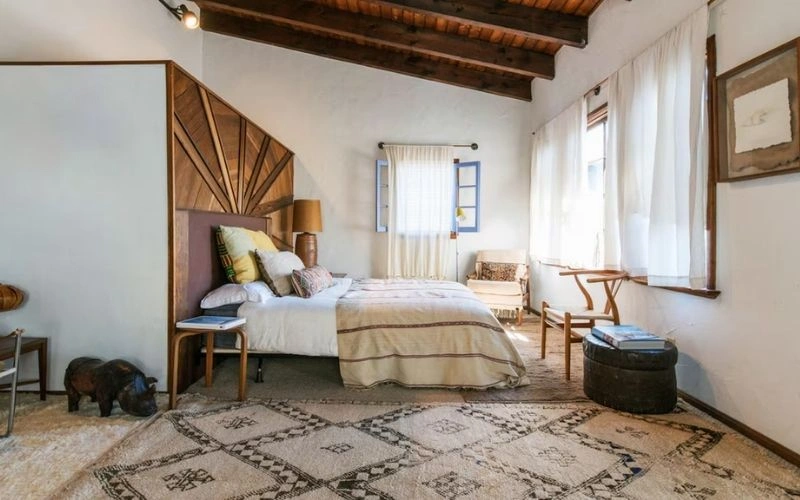
Guesthouses vary widely in the facilities they offer, so don’t assume they are all the same. Better guesthouses may provide:
- Fully furnished rooms
- En suite bathrooms
- Air conditioning
- Television with cable channels or streaming services
- Private refrigerator
- Wi-Fi internet access
- Coffee and tea making facilities
- Work desks
- Secure parking
Laundry facilities may also be available, either through a laundry service or by allowing guests to use shared washing machines.
Services
Each guesthouse offers a different range of services depending on management and pricing.
Some operate strictly as bed-and-breakfast accommodations, while others provide services comparable to a small hotel. In higher-end guesthouses, rooms may be cleaned daily by housekeeping staff, and laundry services are commonly available for an additional fee.
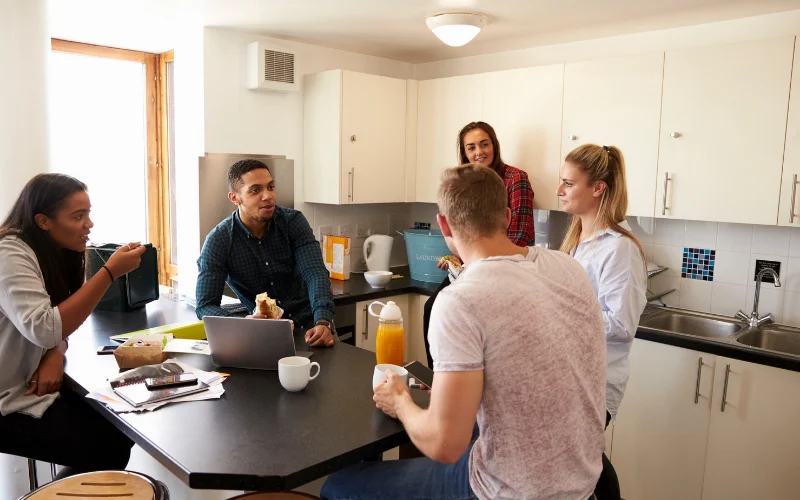
Some guesthouses provide access to a shared kitchen for guests who prefer to cook their own meals. Others offer on-site cafés or small restaurants serving beverages, snacks, and light meals.
When evaluating a guesthouse, inquire about:
- Availability of meals
- Laundry services
- Kitchen access
- Parking facilities
- Internet reliability
- Nearby restaurants and supermarkets
- Proximity to hospitals and medical facilities
- Access to public transportation
- Commuting times to your office
- Availability of ride-hailing services such as Gojek and Grab
Many guesthouses also provide recreational facilities such as swimming pools, garden areas, rooftop terraces, sun decks, or barbecue facilities.
Security Concerns
Security standards vary considerably between guesthouses.
Before committing to a stay, inquire about:
- Controlled building access
- Visitor registration procedures
- On-site security personnel
- CCTV monitoring
- Secure parking facilities
- Emergency procedures
- Room locks and building security systems
These considerations become especially important if you plan to stay for an extended period.
What Benefits Can Guesthouse Living Offer Me?
One of the primary advantages of guesthouse living is cost predictability. When renting a private house or apartment, tenants often face additional expenses such as:
- Electricity
- Water
- Internet
- Security
- Housekeeping
- Laundry
- Garbage collection
- Maintenance services
In addition, landlords frequently require one or two years’ rent to be paid in advance.
Guesthouses typically bundle many of these costs into a single monthly fee, making budgeting easier and reducing administrative hassles.
Another major benefit is flexibility. Guesthouse stays are often available on monthly terms, allowing residents to avoid long lease commitments and large upfront payments.
Residents also avoid the expense and inconvenience of purchasing furniture and household furnishings.
Many expatriates appreciate the social aspect of guesthouse living. The smaller community environment often makes it easier to meet people, make friends, practice Bahasa Indonesia, and gain insights into Indonesian culture.
Some multinational companies maintain corporate arrangements with guesthouses because they provide flexible accommodation solutions for visiting employees and project staff.
Current Guesthouse Costs
Accommodation costs vary significantly depending on location, facilities, and level of service.
As a general guide:
Jakarta
- Basic guesthouse: Rp 2.5–5 million/month
- Mid-range guesthouse: Rp 5–8 million/month
- Premium guesthouse: Rp 8–15+ million/month
Bali
- Outside major tourist areas: Rp 3–8 million/month
- Tourist areas such as Canggu, Seminyak, and Ubud: Rp 6–20+ million/month
Nightly Rates
- Approximately Rp 250,000–1,000,000+ per night depending on location and facilities.
Prices can vary greatly even within the same property, so ask about room categories and included services before making a decision.

Guesthouses in Bali
Many areas of southern Bali cater primarily to short-term holiday visitors. As a result, accommodation costs in popular tourist destinations can be considerably higher than in other parts of Indonesia.
If you plan to stay for several months, consider looking outside the primary tourist districts where monthly accommodation costs are often substantially lower.
Guesthouses in Smaller Cities and Rural Areas
While expatriates moving to Jakarta, Surabaya, or Bali usually have access to hotels, serviced apartments, and rental properties, the situation can be very different in smaller cities and rural areas.
In many provincial towns, mining regions, plantation areas, industrial zones, and remote project locations, accommodation options may be limited. In these locations, a guesthouse may be one of the few practical alternatives to a hotel.
Guesthouses in these areas are often family-operated and may provide more basic accommodations than those found in larger cities. However, they can offer comfortable, affordable, and convenient housing for professionals on temporary assignments.
Before committing to a long stay, it is advisable to inspect the property personally or request recent photographs. Pay particular attention to:
- Internet reliability
- Air conditioning
- Water supply
- Security arrangements
- Access to transportation
- Availability of nearby services
Indonesian Indekos (Kos)
An Indonesian indekos (commonly called a “kos” or “kost”) is generally a step down from a guesthouse in terms of services and facilities.
Traditionally, a kos consists of a private room within a larger property, with some facilities shared among tenants. Kos accommodation is widely used by university students, young professionals, and employees who work away from their hometowns.
Many workers choose to stay in a kos during the week to avoid long commutes and return home on weekends.
Basic kos accommodation often includes:
- Small furnished bedroom
- Shared or private bathroom
- Shared common areas
- Basic utilities
However, modern “exclusive kos” have become increasingly popular and may offer:
- Private bathrooms
- Air conditioning
- Wi-Fi
- Housekeeping
- Shared kitchens
- Secure parking
- CCTV security
These premium properties often resemble small studio apartments.
Typical Kos Costs
Costs vary significantly by city and facilities provided:
- Basic kos in smaller cities: Rp 750,000–2 million/month
- Typical urban kos: Rp 1.5–4 million/month
- Premium or exclusive kos: Rp 4–10+ million/month
Laundry services are commonly available for an additional fee.
Bendungan Hilir (Benhil) and Karet Pedurenan in Central Jakarta remain popular kos locations due to their proximity to major office districts.
Finding Guesthouses and Kos
Many guesthouses and kos properties are now marketed online through:
- Property websites
- Google Maps listings
- Social media accounts
- Accommodation booking platforms
Prospective tenants can often review photographs, compare facilities, read reviews, and contact owners directly before arriving in Indonesia.
Guesthouse Policies
Before moving in, ask about house rules and policies regarding:
- Noise levels
- Quiet hours
- Shared facilities
- Visitor access
- Overnight guests
- Parking arrangements
- Security procedures
Understanding these policies beforehand can help prevent misunderstandings and ensure that the accommodation meets your expectations.
Costs
As with most housing options in Indonesia, costs vary widely depending on location, facilities, services, and target market. Guesthouses catering primarily to expatriates, business travelers, or tourists generally command higher rates than those serving local residents.
Take time to compare multiple options before making a commitment, especially if you plan to stay for several months or longer.