

Introduction
Security is a primary concern for expatriates moving to Indonesia. While most expats live comfortably and safely, it is important to take sensible precautions in your home environment.
Incidents involving residential security are relatively uncommon in most expat areas, particularly in gated communities, managed compounds, and apartment buildings. However, opportunistic theft can occur, and being aware of your surroundings and taking practical steps will significantly reduce your risk.
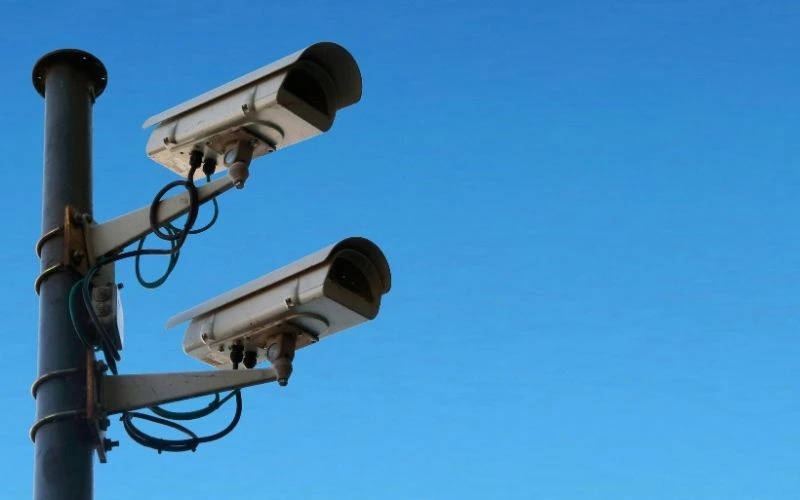
In recent years, many homes and apartments have adopted additional layers of security such as CCTV, access cards, and security guards. These systems provide added protection, but they should be seen as a complement to, not a replacement for, personal awareness and good household habits.
General Household Security
The majority of residential security issues can be prevented by applying basic precautions.
Ensure that all doors and windows are securely locked, especially at night or when you are not at home. Many homes in Indonesia are designed with open airflow in mind, so it is important to double-check that ventilation openings do not compromise security.
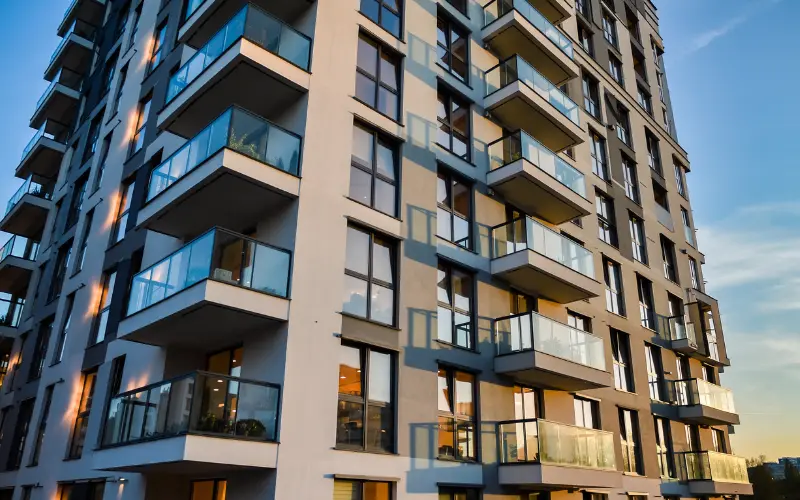
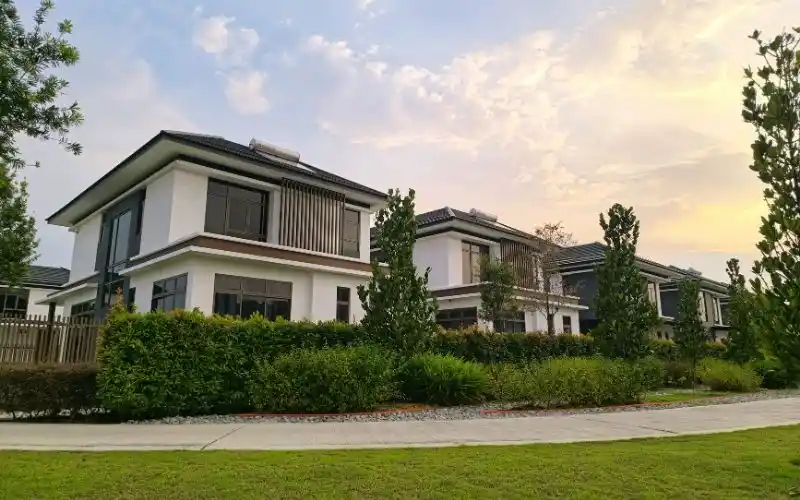
If you live in a house, perimeter security such as gates, guards, and lighting plays an important role. In apartments, access control systems and reception staff provide an additional layer of protection, but you should still be cautious about who you allow into your unit.
In standalone homes, it is common for household staff to answer the gate. It is important to clearly brief them that under no circumstances should they allow anyone they do not personally know onto the property without first checking with you. Make sure they fully understand this expectation and consistently follow it, even if the visitor appears official or claims urgency.
Avoid leaving valuables in plain sight. This includes items visible from windows or entry points.
Be mindful of service personnel, delivery drivers, and unexpected visitors. It is common in Indonesia for people to arrive unannounced, but it is acceptable to verify their identity before allowing entry. When in doubt, confirm with building management, your landlord, or the service provider.
Visitors and Household Staff
Many expatriates employ household staff such as maids, drivers, or gardeners. While the vast majority are trustworthy, it is important to maintain clear boundaries and good practices.
Ensure that staff understand your expectations regarding visitors, deliveries, and access to your home. They should not allow unknown individuals into the house without your approval.
Because cultural norms around privacy and information-sharing can differ, be mindful of sensitive information discussed in the home. Conversations, documents, or personal items may be unintentionally shared or discussed outside the household.
Always verify the identity of maintenance workers, utility staff, or anyone claiming to represent a service provider before granting access.
Telephones and Communication
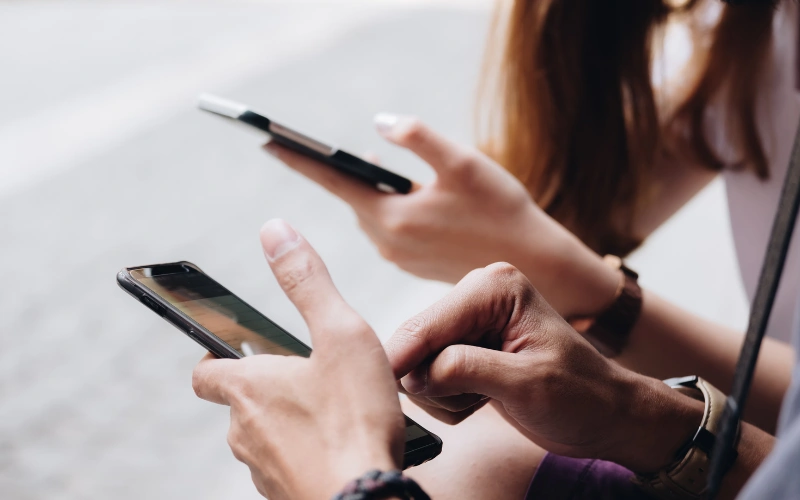
Ensure that you always have access to a fully charged mobile phone, particularly at night.
Save important emergency numbers in your phone and ensure all family members know how to use them.
Key emergency numbers in Indonesia include:
- Police: 110
- General emergency services (Jakarta and some major cities): 112
- Medical emergency: 119
Coverage and response can vary by region, so it is advisable to confirm local emergency numbers specific to your city.
Consider having a backup power source such as a power bank in case of power outages.

Bedroom Safety
Keep essential items within easy reach of your bed, including your mobile phone, keys, and a flashlight.
Some households also keep a small personal alarm or panic button, particularly in larger homes.
Lighting and Visibility
Good lighting is an important deterrent to unwanted activity.
Ensure that entrances, pathways, and outdoor areas are well lit. Motion-sensor lighting can be an effective deterrent.
Fire Safety
Fire safety is an important consideration in Indonesia.
Equip your home with basic fire safety tools such as smoke detectors, fire extinguishers, and fire blankets where appropriate. These should be regularly maintained, and household staff should understand how to use them.
While fire services are available in major cities, response times can be affected by traffic and access conditions. This makes prevention and early response within the home especially important.
Electrical Safety
Ensure that electrical systems and appliances are properly maintained.
Power fluctuations can occur in some areas, so the use of surge protectors is advisable to protect appliances and reduce fire risk.
Security Systems
Many homes now use CCTV cameras, alarm systems, and video doorbells as part of their security setup. These systems can provide both deterrence and documentation if an incident occurs.
If you are renting, check with your landlord before installing permanent systems.
Neighborhood Awareness
Get to know your neighbors and local security personnel. Community awareness plays an important role in maintaining a safe environment.
In many residential areas, local neighborhood security (satpam or ronda) remains an important layer of protection.
Frequently Asked Questions
Is it safe to live in Indonesia as an expat?
Most expatriates live safely in Indonesia, particularly in established expat areas. Basic precautions and awareness significantly reduce risks.
Are apartments safer than houses in Indonesia?
Apartments often have controlled access, security staff, and surveillance systems. Houses can also be very secure, especially in gated communities, but require more personal oversight.
Do I need a security guard for my home?
Many homes in Jakarta and other major cities include shared or dedicated security. Whether you need additional security depends on your location and property type.
What should I do if someone unexpected comes to my door?
It is acceptable to verify identity before opening the door. You can contact building management, your landlord, or the service provider to confirm.
Source: Hill & Associates