

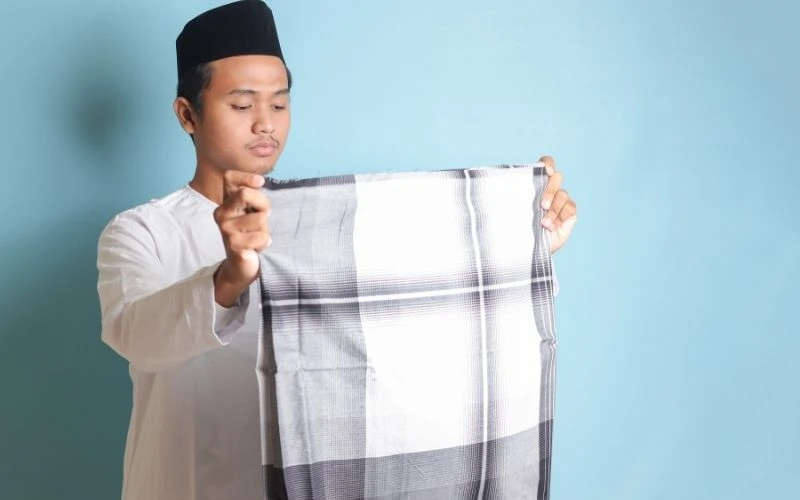
What is a Sarong?
A sarong (in Indonesia often called sarung) is a large tube of fabric, stitched into a loop, worn around the waist. In Indonesia, it is most commonly made from cotton batik, woven patterns, or printed textiles. For men, the tube sarong is practical, comfortable, and deeply rooted in everyday life.
Unlike loose wraps in other cultures, the Indonesian version is typically pre-sewn into a tube, which makes it easier to wear—but still requires a bit of technique to secure properly.
A Brief History of the Sarong
The sarong has been worn across Southeast Asia for centuries, with strong roots in maritime trade and cultural exchange. In Indonesia, it became widely adopted through Javanese, Malay, and Islamic influences, particularly as modest and practical attire suited to the tropical climate.
Historically:
- It was worn by men and women across social classes
- Patterns could indicate regional identity or social standing
- It became closely associated with religious life, especially Islam
Today, the sarong remains one of the most recognizable garments in Indonesia.
When is a Sarong Worn Today?
In modern Indonesia, men wear sarongs in a variety of settings:
- Religious occasions – especially for prayers at the mosque
- At home – as comfortable everyday wear
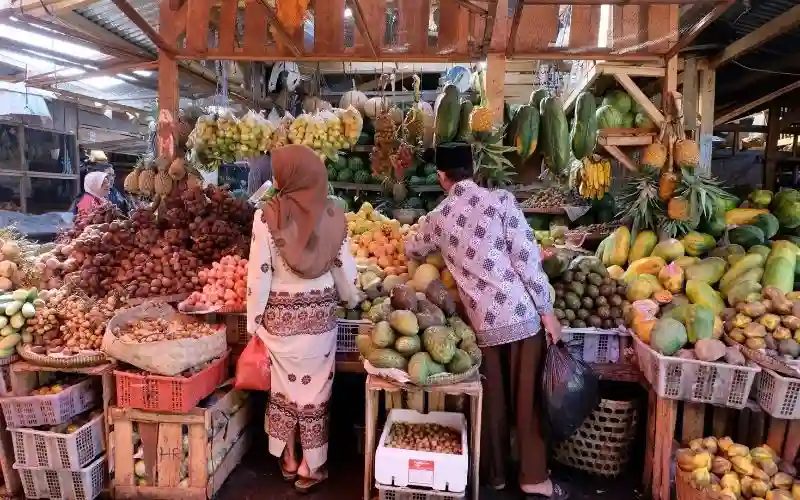
- In rural areas – as practical daily clothing
- Cultural events and ceremonies
- Travel or relaxation – lightweight and versatile
It’s not unusual to see a man switch from trousers during the day to a sarong in the evening.
Step-by-Step: How to Wear an Indonesian Tube Sarong
Step 1: Put It On
Either step into the sarong or pull it over your head. Hold the top open at waist level.

Step 2: Position the Fabric
Pull the sarong tight against one side of your body, and stretch the remaining fabric outward on the other side.
Step 3: Wrap Across the Front
Draw the excess cloth across the front of your body, keeping it tight against your waist.Use one hand to hold the inner fold in place while guiding the outer layer across.
Step 4: Secure at the Hip
Pull the folded cloth around to your opposite hip and hold it firmly in place.
Step 5: Roll the Top Down
Roll the top edge of the sarong down over itself several times.The tighter the roll, the more secure the fit.
Step 6: Final Adjustment
After rolling, you’ll have a firm band at your waist holding everything in place.Ideally, the roll should sit just above your hips.
Tip: If it loosens (which it often does), simply unwrap slightly and tighten again—it’s completely normal.
Practical Tips (That Locals Know)
- Always check which side has the pattern panel (often worn at the front or slightly to the side)
- For walking longer distances, keep the wrap tighter and higher
- When sitting, many men subtly adjust the fold for comfort and modesty
- In mosques, wearing a sarong is often paired with a peci (traditional cap)
Other Common Uses for a Sarong
One of the reasons the sarong has lasted so long is its versatility:
- Keeping warm on a cool evening
- Protecting from rain
- Used as a blanket or sheet
- Beach wrap or towel
- Makeshift bag or cover
In Indonesia, it’s often said: “If you have a sarong, you’re prepared.”
A Note of Appreciation
Our thanks to Omar, who was a great sport in demonstrating how to wear an Indonesian men’s tube sarong!