

Living in Indonesia is a rewarding experience, but like anywhere in the world, unexpected situations can occur. Most expatriates will never experience a major emergency during their time in Indonesia, but a little preparation can make a significant difference if an unexpected event does occur.
The purpose of this guide is not to alarm you, but rather to encourage you and your family to think ahead and make simple preparations that can help you respond calmly and effectively in an emergency.
Why Every Family Needs an Emergency Plan
Emergencies come in many forms. In Indonesia, the most common situations that may affect expatriate families include:
- Flooding
- Earthquakes
- Volcanic activity
- Severe storms and high winds
- Medical emergencies
- Power outages
- Water supply disruptions
- Transportation interruptions
- Family emergencies requiring urgent travel overseas
Having a plan before an emergency occurs allows you to focus on your family’s safety rather than making decisions under pressure.
Know the Risks in Your Area
Different regions of Indonesia face different challenges.
Jakarta and Surrounding Areas
Residents should be aware of:
- Seasonal flooding
- Severe traffic congestion during emergencies
- Power outages during storms
- Localized flooding caused by heavy rainfall
Java and Other Seismic Regions
Indonesia lies on the Pacific Ring of Fire, making earthquakes and volcanic activity a fact of life. While major events are rare, every family should understand basic earthquake safety procedures.
Coastal Areas
Families living near beaches should familiarize themselves with local tsunami evacuation routes and warning systems.
Ask your employer, neighbors, building management, or local community leaders about any specific risks in your area.
Keep Important Documents Ready
Every family should maintain both physical and digital copies of important documents.
These may include:
- Passports
- Residence permits and visas
- Birth certificates
- Marriage certificates
- Medical records
- Health insurance cards
- Travel insurance information
- Emergency contact lists
- Banking information
- School records
- Prescription information
Store digital copies securely in encrypted cloud storage and keep physical copies in a waterproof folder or document pouch.
Create a Family Emergency Kit
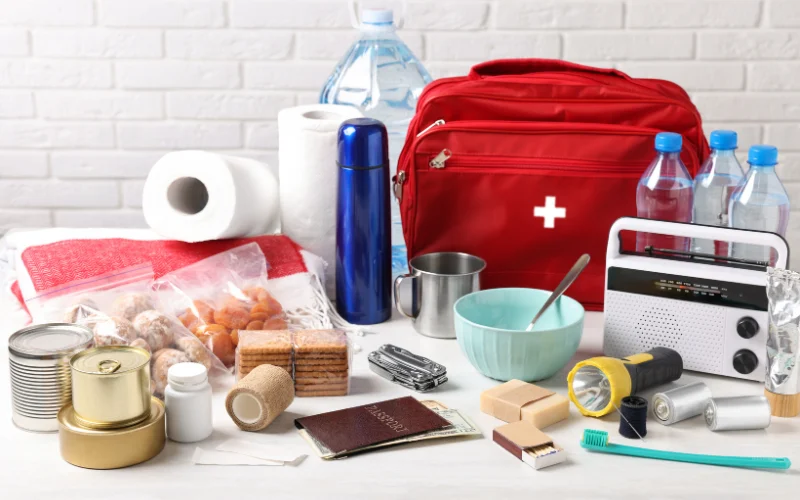
Prepare a small emergency kit that can be easily accessed if needed.
Suggested items include:
- Flashlights
- Spare batteries
- Power banks
- Mobile phone charging cables
- First aid kit
- Bottled water
- Non-perishable snacks
- Copies of important documents
- Basic toiletries
- Essential medications
- Small amount of cash in rupiah
- Whistle or emergency signaling device
Review the contents every six months to ensure batteries and medications have not expired.
Have a Family Communication Plan
Family members are often separated during the day at work, school, or other activities.
Discuss:
- How you will contact one another during an emergency
- A designated family meeting point
- Alternative meeting locations
- An overseas family member who can act as a communication coordinator
Ensure children know important phone numbers and understand what to do if they cannot reach their parents.
Messaging applications such as WhatsApp, Signal, Telegram, and SMS often remain useful during disruptions when voice calls become difficult.
Preparing Your Home
Simple preparations can reduce stress and inconvenience during emergencies.
Consider:

- Knowing where your circuit breakers are located
- Keeping emergency lighting available
- Having backup drinking water
- Maintaining a basic stock of food
- Securing heavy furniture in earthquake-prone areas
- Knowing emergency exits in your apartment or housing complex
If you live in a flood-prone area, understand which roads typically become impassable and identify alternative routes.
Preparing Your Vehicle
Your vehicle may become an important resource during an emergency.
Good practices include:
- Keeping the fuel tank at least half full
- Maintaining tires and batteries
- Carrying a phone charger
- Keeping a flashlight in the vehicle
- Maintaining basic emergency supplies
If you employ a driver, discuss emergency procedures and ensure they know the locations of hospitals, embassies, and alternative routes around your city.
Medical Preparedness
Medical emergencies are among the most common challenges faced by expatriates.
Ensure that:
- You know which hospitals are covered by your insurance
- Emergency phone numbers are saved in your phone
- Family members understand any significant medical conditions
- Prescription medications are not allowed to run low
If your company provides medical evacuation coverage, understand exactly what services are included.
Stay Connected to Reliable Information
During any emergency, accurate information is essential.
Useful sources may include:
- Your embassy or consulate
- Official Indonesian government agencies
- Building management
- School communications
- Company security updates
- Reputable local news organizations
Avoid spreading unverified information from social media, particularly during developing situations.
Register with Your Embassy
Many embassies offer registration services for citizens living overseas.
Registration can help embassies:
- Share emergency information
- Provide travel advisories
- Contact citizens during major emergencies
- Assist with lost passports and other consular issues
Check your embassy’s website for current registration procedures.
Build Strong Local Relationships
One of the best forms of emergency preparedness in Indonesia is becoming part of your local community.
Take the time to:
- Get to know your neighbors
- Participate in neighborhood activities
- Maintain positive relationships with security staff
- Learn basic Bahasa Indonesia
- Understand the role of your RT and RW
In many emergencies, local communities are often the first source of information, assistance, and support.
Emergency Contact Numbers
Keep a list of important contacts readily available, including:
- Police
- Fire department
- Ambulance services
- Nearby hospitals
- Building management
- School emergency contacts
- Employer security contacts
- Embassy or consulate
- Family members
Store these numbers both on your phone and in printed form.
Final Thoughts
The vast majority of expatriates enjoy safe and successful assignments in Indonesia. Emergency preparedness is not about expecting the worst—it is about ensuring that you and your family can respond confidently and effectively if unexpected circumstances arise.
A few simple preparations today can provide valuable peace of mind for years to come.