


Editor’s Note:
This article was originally compiled from advice submitted by expatriates living in Indonesia. While some of the comments reflect personal experiences from earlier years, much of the guidance remains useful today. We have lightly updated the content to reflect modern conditions, including changes in transportation, payment methods, and public life in Indonesia.
These miscellaneous “Bits of Advice” have been submitted by previous residents for those intending to live in Indonesia:
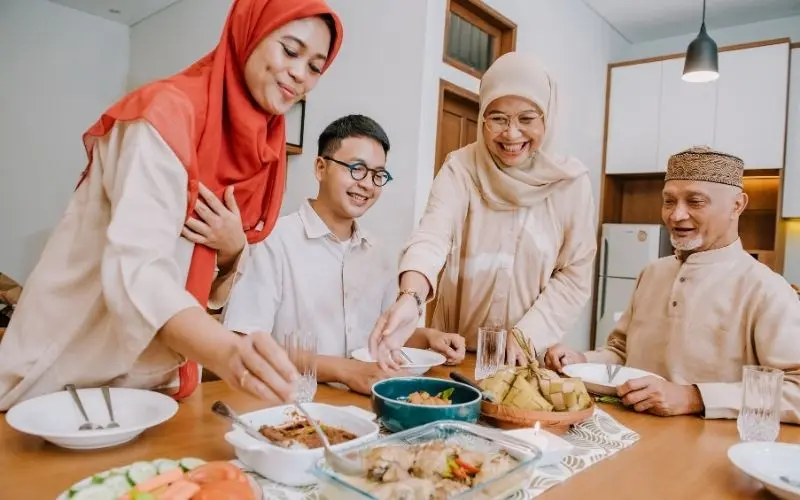
One of the foremost attributes of Indonesians, especially Javanese, in social interaction is kesopansantunan, which means politeness and appropriateness. To avoid misunderstandings and build positive relationships, behave appropriately and suitably by Indonesian standards, not solely by those of your home country. Adapting to local cultural norms while maintaining your own identity will help you integrate more successfully.
To the man who inquired about drinking — AWAS (be careful)! If you choose to drink alcohol, be mindful of your surroundings and your hosts. Avoid drinking in situations where it may cause discomfort or offend others, particularly in more conservative settings. Never drink to excess, regardless of what those around you may be doing. Respectful behavior will contribute greatly to your effectiveness both professionally and socially.
An excellent source of information on customs and norms is Culture Shock! Indonesia by Christopher Draine and Barbara Hall. Learning about local customs before arriving can help you avoid unintended mistakes. Remember that Indonesians often avoid direct confrontation, so you may not always be told if your behavior has caused discomfort.
Visit Minangkabau country in West Sumatra, especially Padang Panjang. A quiet weekend at Danau (Lake) Maninjau remains a wonderful escape from the stress and congestion of Jakarta.
Always carry a packet of tissues for use when traveling, as toilet paper and hand-drying facilities are not always available in public restrooms.
While digital payments are now widely accepted throughout Indonesia, it is still wise to carry some small-denomination cash for parking fees, small purchases, roadside vendors, and areas where electronic payments may not be available.

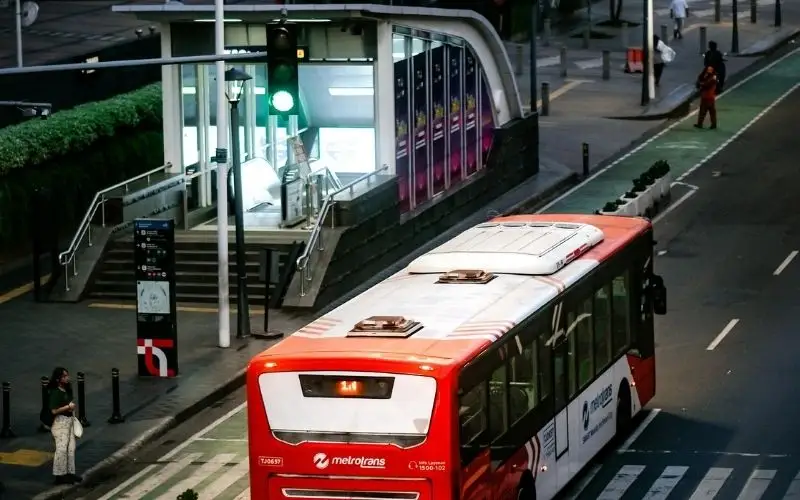
For transportation, use reputable taxi companies or app-based services such as Bluebird, Grab, or Gojek whenever possible. These services provide fare transparency and a record of your trip, making travel more convenient and secure.
When making purchases, always check your receipt and confirm your change, particularly in busy travel areas such as airports, train stations, and tourist destinations.
In Indonesia, the right hand is traditionally used when giving or receiving money, documents, gifts, or food. While foreigners are generally forgiven for cultural mistakes, making an effort to use your right hand is considered polite and respectful.
Discussions about politics and religion can be sensitive topics in any country. Indonesia is a vibrant democracy with a wide range of opinions and perspectives. As a newcomer, it is wise to approach these conversations respectfully, listen carefully, and avoid making assumptions about local views until you have a better understanding of the cultural and political context.
These words of advice were originally submitted by Catherine M. Muir and have been updated for today’s readers.
Mini Glossary
Kesopansantunan
The Indonesian concept of polite, respectful, and appropriate behavior.
Awas
Be careful; watch out.
Uang kecil
Literally “small money.” Refers to small denominations of cash used for everyday transactions.