

Swimming pools require maintenance in the tropics just as they do in temperate climates. If you do not own the home that you are living in, pool maintenance should be outlined in the lease so it is clear who is responsible for both the maintenance and the cost of this service.
For many expatriates in Indonesia, a swimming pool is seen as an essential part of comfortable living. However, it is important to understand that pools in tropical climates require consistent upkeep due to heat, rainfall, and organic debris, all of which can quickly affect water quality and equipment performance.
Maintenance of Your Swimming Pool
You can ask your professional swimming pool contractor to give your gardener/jaga some basic training for daily pool maintenance which may include vacuuming and cleaning the bottom and sides of the pool and the water’s surface. In either case you still need to monitor the quality of the water levels of pH and chlorine of the water yourself to ensure a safe swimming environment for your family.
You should also periodically test water quality using simple testing kits, which are widely available in Indonesia, or rely on your pool service provider to maintain proper chemical balance.
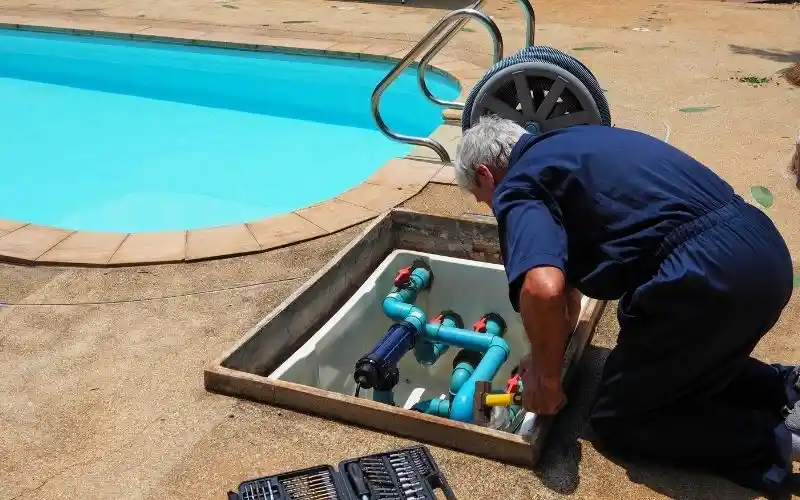
Alternately, professional swimming pool service firms can be contracted to come to your home two to three times a week to clean the pool and adjust the chlorine level. They will also keep an eye on your pool filter equipment and suggest needed repairs that will benefit the overall functioning of the pool.
Today, many expats find pool service providers through recommendations in expat communities, WhatsApp groups, or online listings. Always check reviews and ask for references before committing to a service contract.
In addition, the water level should also be monitored and water added as needed. Especially in the hot, dry season, the water level in the pool can drop more rapidly due to evaporation. Low water levels can cause problems later for the pump and filtering system.
Pool Inspection Prior to Moving In
If you are thinking of leasing a home that has a pool, you can get an independent pool inspection from a firm that specializes in housing maintenance for expatriates. A pool inspection should include:
- check that there is no electrical current in the water. This is a problem more typically in smaller pools and Jacuzzis but all pools should be checked for any electrical problems that affect the water as they can cause electrocution.
- continuous leaking of water which may entail expensive repair – seen by abnormally accelerated dropping of water levels
- condition of the liner or tiling on the sides and bottom of the pool, ladders, steps, diving board and other pool equipment
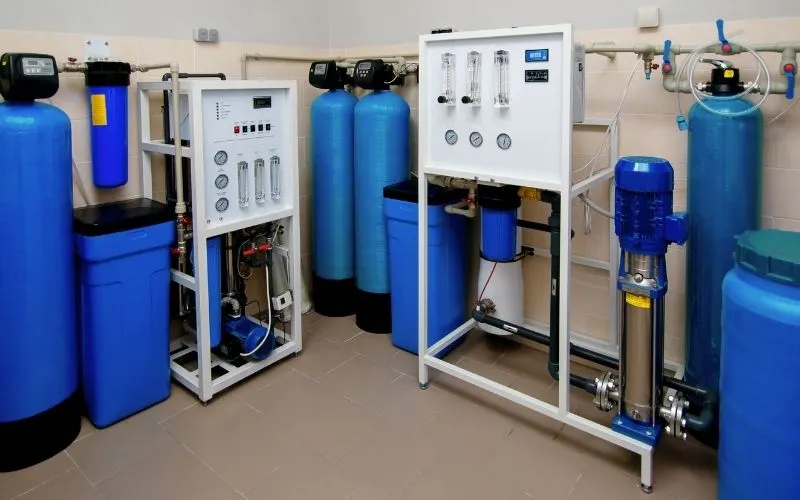
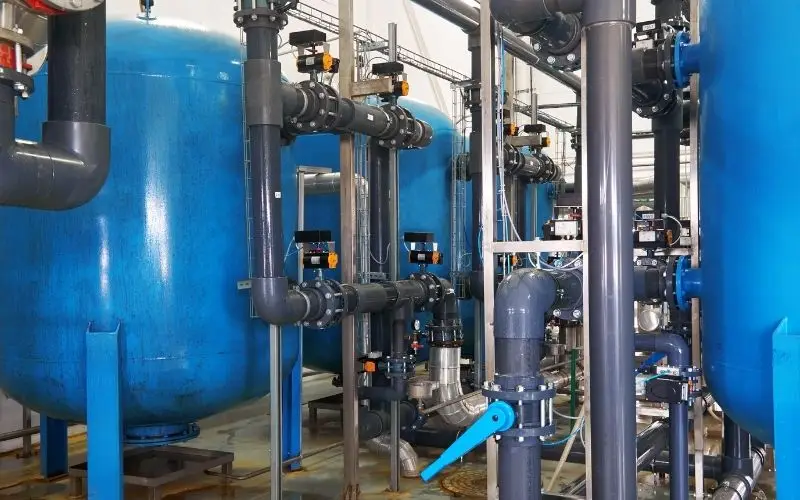
- inspection of the pool pump and pool filtration system
It is also advisable to confirm that all electrical systems are properly grounded and protected with modern safety devices such as an ELCB or RCCB.
The inspection will result in a report which can be presented to the tenant/landlord so that you can request that any major problems can be fixed before you sign the lease and move in.
Be sure to clearly define in your lease agreement who is responsible for ongoing maintenance, repairs, and replacement of major equipment, as misunderstandings in this area are common.
Choosing a Pool Service Company
Not all pool service companies are the same – just as in any business, some are more qualified than others. Choose a reputable pool service firm rather than an individual as it’s hard to check up on business references or professional skills of individuals due to the transient nature of the expat community. A qualified vendor should inspect the pool two times per week and should provide clear reporting, outlining maintenance performed and any issues detected.
In the long run, saving money by going with a cheaper service may end up costing you more with health impacts for your family or expensive pool repairs that may result from poor maintenance. Beware of independent pool workers with questionable experience; they may add excessive or inappropriate chemicals in an attempt to solve problems. Incorrect chemical balance can lead to unsafe swimming conditions and the growth of bacteria or algae.
Check the references of any pool service company you get bids from, talk to other expats about the companies they’ve used, and ask your landlord for recommendations.
Many newer homes may also include automated chlorination or saltwater systems. While these reduce manual chemical handling, they still require regular monitoring and maintenance.
Filtration of your Swimming Pool’s Water
Though some pool companies may advise you to change the filters on your pool every three months to keep water clean and clear, in fact a properly maintained sand filter should last for years.
A regular size pool should be filtered for at least 6-8 hours a day. A qualified maintenance provider should be able to calculate the electricity charges and inform you of the most cost effective ways and times to filter your pool water.
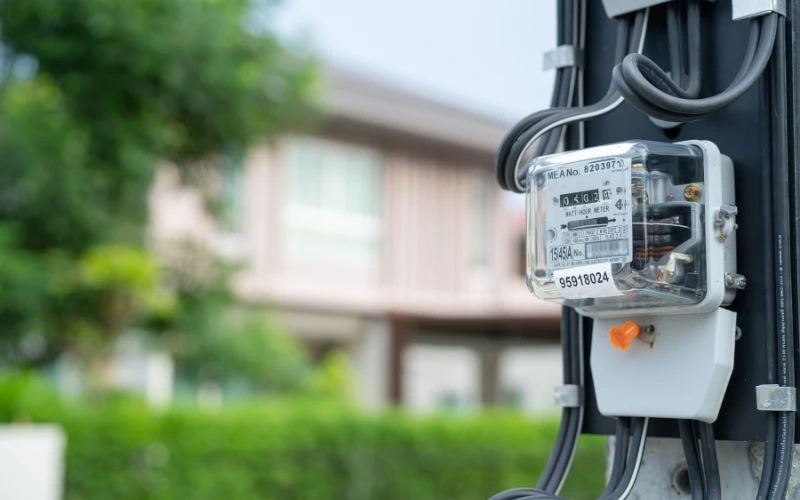
Electricity costs in Indonesia can be significant depending on pump size and usage, so it is worth discussing efficient filtration schedules with your provider.

Chlorination of your Swimming Pool
Before you decide where you purchase your pool chemicals, remember that chlorine and other additives are all chemicals. You need the assistance of a competent professional, because your family is going to swim in the pool and you want them to be safe. Ensure that all products used in your swimming pool are clearly labeled and designed for pool use.
Swimming pool chemicals are expensive. Check the cost of the service plus the chemicals before you make your decision to lease a house with a pool. While having a pool is wonderful, you want to make sure ahead of time that you can comfortably afford the ongoing maintenance and chemical costs.
Be aware that if there is a large difference in the cost of swimming pool chemicals from various suppliers, it may relate primarily to the quality of the products. Premium pool chemicals are typically higher in active content, while cheaper alternatives may contain fillers.
Pool advice related by Scooby from the Expat Forum:
“The pH level is actually the most important factor. Chlorine will only work effectively if the pH is balanced correctly. The quality of chlorine products available in Indonesia can vary significantly, so better quality products will give better results.
Over time, chlorine can become less effective, which is why periodic shock treatment is recommended. For a domestic pool, once a month is usually sufficient. A shock dose helps restore effectiveness and reaches areas that regular treatment may miss.
It is best to add shock treatment at night, as sunlight can degrade chlorine. Most bacteria tend to accumulate in the upper layer of the pool, but deeper areas also need occasional strong treatment.”
Swimming Pool Repairs
A seemingly minor pool repair can turn into a major financial issue. This is the main reason a thorough inspection prior to signing a lease and moving into your new residence is strongly recommended. If there is an issue with either the electrical systems or the tiles or lining, you may have to partially or totally drain the pool before work can begin.
In the case of electrical problems, the water will often have to be drained to below the light level if the pool lights are not on a flexible retractable system allowing the workman to pull them out of the water. It is highly suggested that if your electrical system is not already using an ELCB, this device should be installed to the electrical panel that controls electricity to the pool equipment. This device will immediately turn off the electricity if any irregularities are detected, reducing the risk of electrocution.
If major repairs are required and you do have to drain your pool, you will have to purchase clean water to refill it, usually several truck loads depending on the size of the pool. This is necessary due to the poor quality of groundwater and the fact that it may take weeks to fill the pool from a household water supply.
Most water is supplied by external vendors and delivered by truck. The cost can vary significantly depending on location and supplier, and prices have increased over time. It is advisable to confirm current rates locally before committing to major repairs. The water will also need to be treated once it is in the pool to bring it to acceptable pH levels.
If you drain the pool, do not leave it empty for long periods. Pressure from the surrounding soil can cause damage to tiles and structure without the counter-pressure of the water. This can lead to cracking, displacement, and further costly repairs.
Therefore, what may seem like a small problem can quickly escalate into an expensive repair. Regardless of whether or not the pool is being used, it still needs to be maintained. Be sure that the pool is in proper working condition before you sign any lease agreement.
Frequently Asked Questions: Swimming Pools in Indonesia
Is it expensive to maintain a swimming pool in Indonesia?
Yes, ongoing costs include cleaning services, chemicals, electricity, and occasional repairs. Costs vary depending on pool size and service frequency.
How often should a pool be cleaned in Indonesia?
Most pools are serviced two to three times per week due to the tropical climate, which accelerates algae growth and debris accumulation.
Is it safe to use local pool maintenance services?
Yes, but it is important to use reputable companies with good references, as improper chemical handling can create health risks.
Who is responsible for pool maintenance in a rental property?
This should always be clearly stated in your lease agreement. In many cases, tenants handle routine maintenance while landlords cover major repairs.
Are saltwater pools common in Indonesia?
They are becoming more common in newer homes, though traditional chlorine systems are still widely used.