

Introduction
Air conditioning is not just a luxury in Indonesia, it is often a necessity. The tropical climate, high humidity, and year-round heat make it difficult to live comfortably without some form of cooling system.
While many homes and apartments come equipped with air conditioning units, the type, quality, and maintenance of these units can vary significantly. For many expats, understanding how air conditioning works in Indonesia and how it impacts electricity usage and comfort levels is an important part of settling into daily life.
Types of Air Conditioners
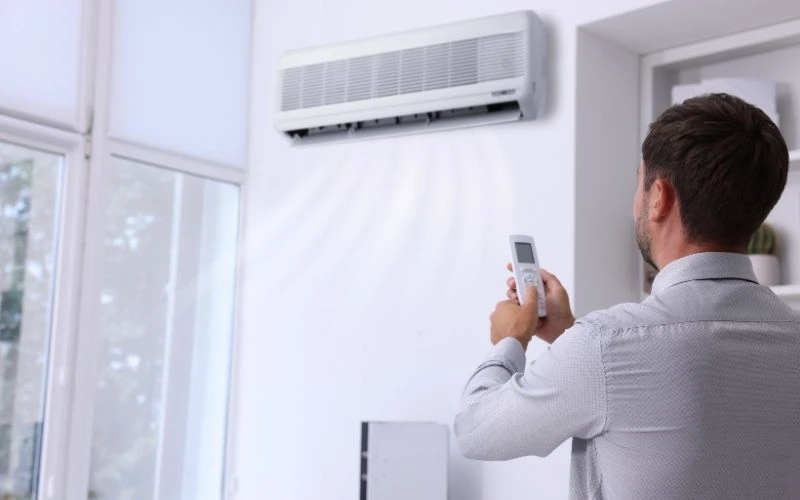
Most air conditioners in Indonesia are split units, with an indoor unit mounted on the wall and an outdoor compressor unit.
In modern properties, particularly in Jakarta, Bali, and Surabaya, you will increasingly find inverter air conditioners, which are more energy efficient and maintain a more stable temperature compared to older non-inverter models.
Inverter units are generally more expensive to purchase but can significantly reduce electricity consumption over time, which is an important consideration given the frequent use of air conditioning in Indonesia.
Cooling Capacity and Room Size
Choosing the correct size of air conditioner is important. Units that are too small will struggle to cool a room, while units that are too large may consume unnecessary electricity.
In Indonesia, AC capacity is often referred to in PK (Paardekracht). As a general guide, 0.5 PK is suitable for small rooms, 1 PK for standard bedrooms, and 1.5 PK or higher for larger living spaces.
However, factors such as ceiling height, sun exposure, and insulation quality will also affect cooling efficiency.
Electricity Consumption
Air conditioners are one of the largest contributors to household electricity usage in Indonesia.
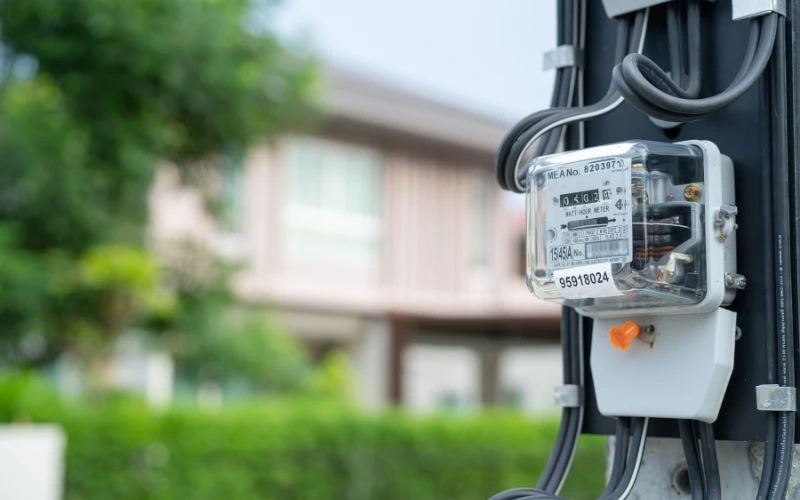
Electricity is supplied by Perusahaan Listrik Negara (PLN), and the amount of electricity capacity provided to each home is not standardized. This is an important point for expats to understand.
In many cases, landlords deliberately keep the electrical capacity of a property lower. This is because electricity tariffs are structured in such a way that higher-capacity connections can result in higher per-unit costs. As a result, larger homes with higher installed capacity may pay a higher rate per kilowatt-hour than homes with smaller capacity. To avoid these higher tariffs, some landlords choose not to upgrade the electrical capacity, even in larger properties.
This can lead to practical limitations. Expats often encounter situations where running multiple air conditioners at the same time can trip the power due to insufficient electrical capacity, for example in homes with 2200 VA or 3500 VA connections.
Indonesia widely uses a prepaid electricity system known as token listrik, where electricity must be purchased in advance. However, most homes rented by expats are still on a postpaid monthly billing system. The prepaid token system is more commonly used in middle and lower income Indonesian neighborhoods.
Choosing energy-efficient inverter air conditioners and managing usage habits can help reduce monthly electricity costs and avoid overloading the system.
Maintenance and Servicing
Regular servicing of air conditioners is essential in Indonesia due to dust, humidity, and pollution.
Air conditioners typically need to be cleaned every 3 to 4 months to maintain performance and air quality. Failure to service units regularly can lead to reduced cooling efficiency, higher electricity usage, and the buildup of mold and bacteria inside the system.

In rental properties, it is important to clarify whether servicing is the responsibility of the tenant or the landlord, as practices can vary.
Humidity and Environmental Factors
Indonesia’s high humidity levels can affect both comfort and the performance of air conditioning systems.
Air conditioners not only cool the air but also help reduce humidity, making indoor environments more comfortable. In coastal areas such as North Jakarta, Bali, or Surabaya, salt in the air can accelerate corrosion of outdoor units, which may reduce the lifespan of the equipment if not properly maintained.
Health Considerations
Poorly maintained air conditioners can impact indoor air quality. Dust, mold, and bacteria can accumulate inside units, especially in humid environments.
Regular cleaning and servicing help reduce the risk of respiratory irritation and improve overall air quality inside the home.
Noise and Placement
The placement of both indoor and outdoor units can affect noise levels. Poor installation may result in vibration or noise disturbances, particularly at night.
Power Stability and Reliability
While power supply in major cities is generally stable, occasional outages can still occur. After power returns, some older air conditioning units may not restart automatically and may require manual resetting.
Buying or Renting with Air Conditioning
Most rental properties for expats include air conditioning units, but the condition and age of the units can vary.
Before signing a lease, it is advisable to test all units, check cooling performance, and ask about servicing history. If units are old or inefficient, negotiating replacement or servicing as part of the lease agreement is common practice.
Practical Considerations
Avoid setting the temperature extremely low, as this increases electricity consumption significantly. Keeping doors and windows closed while using air conditioning improves efficiency. Cleaning filters regularly between servicing visits will also help maintain performance.
Frequently Asked Questions About Air Conditioners in Indonesia
Do all homes in Indonesia have air conditioning?
Most expat-oriented housing includes air conditioning, but some lower-cost properties or older homes may not.
What type of AC is best in Indonesia?
Inverter split units are generally the most efficient and cost-effective option for long-term use.
How often should AC units be serviced in Indonesia?
Typically every 3 to 4 months due to dust and humidity.
Why does my electricity trip when I use multiple AC units?
This is usually due to limited electrical capacity in the home.
Is air conditioning expensive to run in Indonesia?
It can be, especially if multiple units are used frequently. Energy-efficient models can help reduce costs.