

“Is it safe to live in Indonesia?” is probably the question we get asked more than any other at expat.or.id, and it has been landing in our inbox ever since we launched back in 1997. The honest answer is: for the vast majority of expats living here day to day, Indonesia is a safe, welcoming and surprisingly low-stress place to make a home. That said, “safe” does not mean risk-free, and the risks that actually affect expat life here are quite different from what most people imagine before they arrive.
This article sets out a realistic, practical picture of safety in Indonesia in 2026 — covering crime, terrorism, natural disasters, road safety, health risks and regional differences — so you can make informed decisions rather than rely on assumptions formed from occasional headlines.
Crime in Context
Indonesia is a large, diverse and complex country of more than 270 million people spread across thousands of islands, and any single crime statistic tells only part of the story. Official recorded crime rates in Indonesia are lower than in many Western countries, though this partly reflects the well-documented reality that a significant proportion of crimes go unreported — particularly in rural areas, and in cases involving corruption or local power dynamics. Indonesian National Police (Polri) data, cross-referenced with periodic surveys from the BPS Statistics Indonesia agency, gives the most reliable picture available, though independent researchers consistently note that actual incidence is higher than recorded figures suggest.
For expats, the practical question is less about national statistics and more about what kinds of incidents you are realistically likely to encounter, and where.
Petty Crime and Everyday Scams
The most common safety in Indonesia issues for expats in Indonesia are not violent crime but petty theft and opportunistic scams. Bag snatching from motorcycles is the single most reported street crime affecting foreigners, and it occurs across all major cities. The typical pattern involves one or two riders pulling alongside a pedestrian or slow-moving vehicle and grabbing a bag, phone or other visible item. The risk is highest when walking near busy roads, particularly at dusk or after dark, and in areas with heavy tourist or expat foot traffic.
ATM fraud including card skimming and shoulder-surfing is a recurring issue. Use ATMs inside bank branches or inside reputable shopping malls where possible, shield your PIN carefully, and check your accounts regularly. Several expats have reported card details being copied at standalone ATMs in tourist areas, and the problem has not gone away with the shift to chip-and-PIN technology.
Online and rental scams have grown significantly as more expats use platforms such as Facebook Marketplace, Instagram sellers and local classifieds to source accommodation, vehicles and household goods. Villa and apartment rental scams are particularly active in Bali and Jakarta, where properties are advertised at below-market rates, deposits are collected, and the landlord or agent proves impossible to contact thereafter. Always verify property ownership documentation and use a trusted agent or notary for any significant transaction.
Taxi and transport scams targeting newly arrived expats remain a low-level but persistent issue at major airports, particularly Soekarno-Hatta in Jakarta and Ngurah Rai in Bali. Using the official metered taxi counters inside the terminal building, or pre-booking a ride through Grab or Gojek, eliminates virtually all of this risk. Both apps are widely used, reliable and significantly cheaper than negotiated fares from unlicensed operators outside the terminal.
Corruption, Legal Disputes and Scams Targeting Business Owners
Expats involved in business in Indonesia face a category of risk that is distinct from street crime but no less real: disputes involving local business partners, landlords or officials that escalate into legal or quasi-legal pressure. Indonesia has made measurable progress on anti-corruption through the KPK (Corruption Eradication Commission), but corruption at the local government and law enforcement level remains a fact of life in many areas.
Expats should be aware that Indonesian law strongly favours Indonesian citizens in land and property disputes, that nominee ownership arrangements carry genuine legal risk, and that contracts written in English alone may have limited enforceability. This is not unique to Indonesia, but it catches out a significant number of expats each year who enter business arrangements informally or without proper legal advice.
Terrorism: The Realistic Picture in 2026
No article about safety in Indonesia would be complete without addressing terrorism, and no honest article would overstate the current risk. Indonesia experienced a series of devastating attacks between 2002 and 2016, including the Bali bombings of October 2002 and October 2005, the Jakarta Marriott bombing of 2003, the Australian Embassy bombing of 2004, and a series of smaller incidents culminating in the January 2016 Jakarta attacks near the Sarinah shopping complex on Jalan Thamrin.
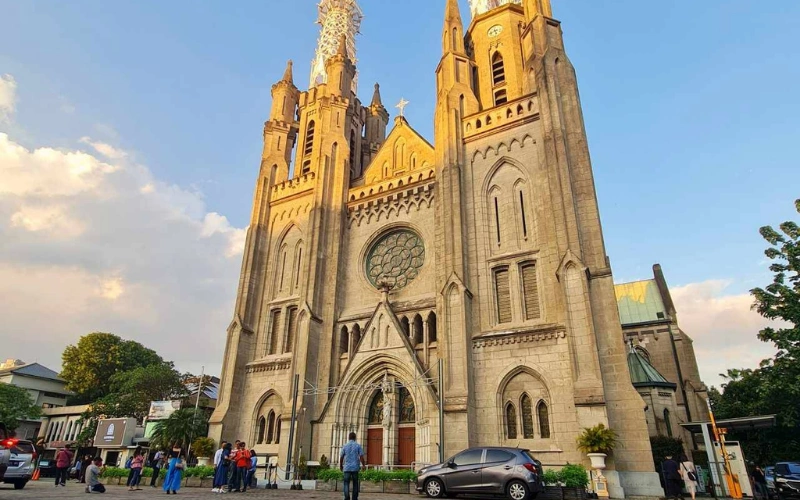
Since 2016, Indonesia’s counter-terrorism record has been genuinely impressive. The national counter-terrorism unit, Detachment 88 (Densus 88), trained and partly funded with international assistance, has disrupted dozens of cells and significantly degraded the operational capacity of domestic networks affiliated with ISIS and Jemaah Islamiyah. The threat has not disappeared — there were attacks targeting police and churches in 2021, including a suicide bombing at a cathedral in Makassar — but mass-casualty attacks targeting Western civilians in tourist or expat areas have not recurred since 2016.
Western governments including Australia, the United States, the United Kingdom and Canada continue to advise their citizens to exercise a high degree of caution in Indonesia and to remain alert in crowded public places, particularly around religious holidays and significant international anniversaries. Expats would do well to register with their home country embassy and monitor travel advisories as a matter of routine rather than alarm. Current advisories are published at the following government sources, which we recommend bookmarking:
- Australia: Smartraveller — Indonesia
- United Kingdom: FCDO Travel Advice — Indonesia
- United States: US State Department — Indonesia Travel Advisory
- Canada: Travel.gc.ca — Indonesia
Natural Disasters: The Risk That Matters Most
For many expats and their families, the statistically most significant physical risk in Indonesia is not crime or terrorism but natural disaster. Indonesia sits on the Pacific Ring of Fire and is one of the most seismically active countries on earth. Earthquakes, volcanic eruptions and tsunamis are not hypothetical risks — they are recurring realities that any expat living here long-term will experience in some form.
The 2004 Indian Ocean tsunami, centred off northern Sumatra, killed more than 165,000 people in Aceh alone. More recently, the 2018 Lombok earthquake sequence, the 2018 Palu earthquake and tsunami, and the 2022 Cianjur earthquake in West Java each caused significant casualties and widespread infrastructure damage. Bali’s Mount Agung erupted in 2017 and again in 2019, closing the international airport and disrupting daily life across the island for weeks at a time. Mount Merapi, which overlooks Yogyakarta, is among the world’s most active volcanoes and produced major eruptions in 2020 and 2021.
None of this means Indonesia is an unsafe place to live — millions of people build full and secure lives here across generations. But it does mean that expats should take a practical approach: know the evacuation routes from your home and neighbourhood, understand the local early warning systems, keep a basic emergency kit at home, and make a habit of following the Indonesian Meteorology, Climatology and Geophysics Agency (BMKG), which publishes warnings and forecasts in English at bmkg.go.id.
Road Safety: The Risk Nobody Talks About Enough
If there is one area where the gap between perceived risk and actual risk is widest for expats in Indonesia, it is road safety. Indonesia consistently records among the highest road traffic fatality rates in Southeast Asia. The World Health Organization estimates more than 25,000 deaths per year on Indonesian roads, and the actual figure including unreported accidents in rural areas is likely considerably higher.
The risks are concentrated around motorcycle use. Indonesia has one of the largest registered motorcycle populations in the world, and the majority of road deaths involve motorcycles. Many expats, particularly in Bali and in smaller cities where car ownership is less practical, use motorcycles as their primary form of daily transport. This is understandable given the cost and convenience, but it carries real risk — especially for those not yet accustomed to local riding culture, road conditions and the unpredictable traffic behaviour that characterises Indonesian roads.
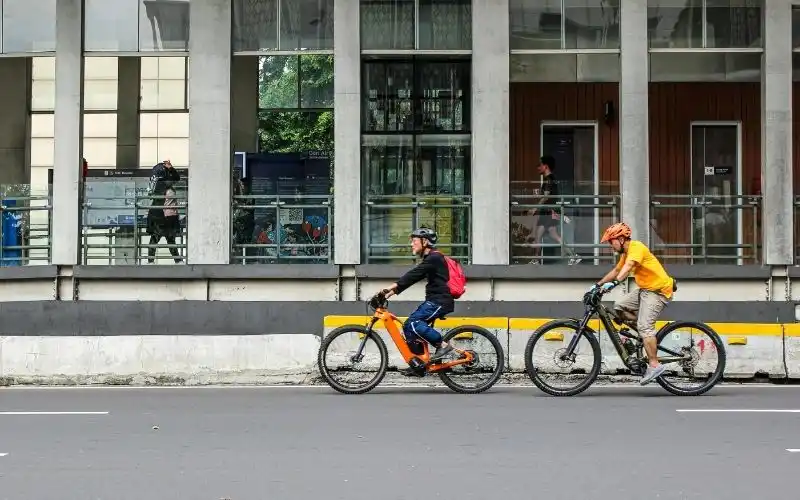
Practical advice: always wear a helmet that meets proper safety standards, not just the lightweight local variants sold at roadside stalls. Avoid riding after dark where possible, and be especially cautious in wet conditions. Consider honestly whether the convenience genuinely outweighs the risk, particularly if you have children. In Jakarta, the combination of ride-hailing apps Grab and Gojek, the MRT Jakarta metro system, and the TransJakarta bus rapid transit network now means that a private car or motorcycle is no longer necessary for comfortable daily urban life.
For related reading, see our pages on Taxi Safety Tips
Health and Environmental Safety in Indonesia
The observation that the most dangerous thing in Indonesia, for most expats, is the water still holds perfectly well in 2026. Tap water is not safe to drink anywhere in Indonesia without boiling or filtering. Bottled water (air mineral) is widely available and inexpensive throughout the country. Investing in a good quality water filter for your home is worthwhile both financially and environmentally, and reduces your dependence on single-use plastic bottles considerably.
Beyond water, the health and environmental risks most relevant to expat life include the following.

Dengue fever is endemic across Indonesia and has no reliable pharmaceutical prevention beyond mosquito control. It is not a tropical curiosity — it is a genuine and recurring risk that sends hundreds of expats to hospital each year, and severe cases can be life-threatening. Use a quality insect repellent, eliminate standing water in and around your home, and seek prompt medical attention if you or a family member develops a sudden high fever.
Rabies is present in Bali and several other Indonesian islands and is a more serious concern than many newly arrived expats appreciate. Bali’s dog population is large, and bites from dogs, monkeys and bats have resulted in deaths. Pre-exposure rabies vaccination is strongly recommended before relocating to or spending extended time in Bali or other at-risk islands. If you or anyone in your family is bitten, seek medical attention immediately, regardless of the animal’s apparent condition.
Air quality in Jakarta and in parts of Kalimantan and Sumatra during the annual dry-season fire period, which typically runs from July to October, can reach hazardous levels. Jakarta regularly records among the worst urban air quality readings in Southeast Asia. Expats with respiratory conditions, families with young children, and pregnant women in particular should monitor air quality indices through apps such as IQAir and take appropriate precautions on high-pollution days.
Medical facilities in Jakarta and Bali are generally adequate for most expat healthcare needs, with several internationally accredited hospitals available in both cities. Outside the major urban centres, facilities drop off sharply and the standard of emergency care can be very limited. Comprehensive health insurance with both inpatient cover and medical evacuation is not optional for expats in Indonesia — it is essential, regardless of your age or health status.
Regional Variation: Not All of Indonesia Is the Same
Indonesia is not one place. It is a vast archipelago of more than 17,000 islands, and the safety picture varies considerably from region to region. The quick-reference guide below reflects conditions as of early 2026 and should always be read alongside the current travel advisory published by your home government.
| Region | General Safety for Expats | Key Considerations |
|---|---|---|
| Jakarta | Generally safe | Petty theft, traffic accidents, air quality, flooding in wet season |
| Bali | Generally safe | Scams targeting tourists and expats, road accidents, rabies risk, occasional petty theft |
| Yogyakarta | Generally safe | Very low street crime; proximity to Mount Merapi worth monitoring |
| Surabaya | Generally safe | Low expat-targeted crime; well-managed city environment |
| Bandung | Generally safe | Low crime; cooler highland climate; severe weekend traffic congestion |
| Lombok | Generally safe | Development-related scams increasing; road safety a concern outside Mataram |
| Medan | Exercise normal caution | Higher petty crime rates than Java cities; verify local conditions on arrival |
| Sulawesi (Makassar, Manado) | Exercise normal caution | Makassar has elevated crime rates; Manado generally calm and expat-friendly |
| Papua and West Papua | Exercise increased caution | Ongoing low-level conflict in highland areas; check current government advisories before relocating |
| Aceh | Exercise normal caution | Sharia law applies; alcohol is prohibited; respectful behaviour and appropriate dress are essential |
| Maluku | Exercise normal caution | Generally calm; verify current local conditions before committing to relocation |
Practical Safety Advice for Expats
Register with your home country’s embassy or consulate shortly after arriving. Most governments offer a free registration service — Australia’s DFAT registration portal, the US Smart Traveler Enrollment Program (STEP), and the UK’s LOCATE service are among the best known — and registration ensures you receive emergency alerts and can be contacted or assisted in a crisis situation.
Arrange the right insurance before you arrive, not after. This means comprehensive health insurance with full inpatient cover and medical evacuation, and it means reading the policy carefully to ensure it explicitly covers Indonesia. Many standard international policies contain exclusions that catch people out, and discovering a gap in your cover in the middle of a medical emergency is a situation nobody wants to be in.
Build local networks early and make use of the expat community’s collective knowledge. The expat community in Indonesia is generally generous with practical, street-level information that no website can fully replicate. Facebook groups, community organisations, international school parent networks and expat associations are all valuable sources of current safety intelligence, local recommendations and honest advice about the neighbourhood or city you are moving to.
Keep copies of your important documents in at least two separate locations. Your passport, KITAS or KITAP residence permit, insurance documents, and emergency contacts should all be stored both digitally in secure cloud storage and as physical copies kept separately from your originals. If your bag is snatched or your home is broken into, having accessible copies of your documents can save days of bureaucratic difficulty.
Know the emergency numbers and keep them saved in your phone. The national emergency number in Indonesia is 112. Police can be reached on 110, fire services on 113, and ambulance on 118 or 119. Response times and service quality vary significantly depending on your location, and in many situations contacting your nearest international hospital directly will be faster and more effective than waiting for an ambulance dispatch.
The Bottom Line
Indonesia has been home to a large and thriving expat community for generations, and the overwhelming experience of the people who live here is of a country that is hospitable, safe in the ways that matter most for daily life, and genuinely rewarding to call home. The risks are real but they are manageable, and most of them are quite different from what the international news cycle might suggest.
The expats who fare best here are the ones who arrive informed, stay alert without becoming anxious, invest in good insurance and good local networks, and take the time to understand the place they are living in. That has been true since 1997 when this site first went online, and it remains true today.
Frequently Asked Questions
Is Indonesia safe for expats?
For the vast majority of expats, yes. Indonesia is considerably safer in terms of violent crime than many Western countries, and most long-term residents describe their daily experience as relaxed and secure. The risks most likely to affect expats are petty theft, road accidents and health issues such as dengue fever — not the dramatic security threats that occasionally dominate headlines.
What is the most common crime affecting foreigners in Indonesia?
Bag snatching from motorcycles and online scams are the most frequently reported crimes affecting foreigners. ATM fraud is also a recurring issue. Violent crime targeting expats is uncommon but not unknown, and the same common-sense precautions you would apply anywhere apply here.
Is Bali safe for expats?
Bali is generally very safe for expats and has a large, well-established international community. The most significant risks are road accidents (particularly motorcycle accidents), scams targeting foreigners, and rabies from animal bites. Petty theft exists but violent crime is low.
Is Jakarta safe to live in?
Jakarta is a large and complex megacity and like any city of that scale it has areas that require more caution than others. For expats living in established residential areas and using sensible transport choices, Jakarta is broadly safe. Air quality and flooding during the wet season are arguably bigger quality-of-life concerns than crime for most residents.
Is Indonesia at risk from terrorism?
Indonesia has experienced significant terrorist attacks in the past, most notably the Bali bombings of 2002 and 2005. Since 2016, the threat has been substantially reduced through effective counter-terrorism operations, though Western governments continue to advise a high degree of caution and the risk has not been eliminated entirely. Staying registered with your embassy and monitoring official travel advisories is sensible practice.
What natural disasters should expats in Indonesia be aware of?
Indonesia is highly seismically active and expats should be prepared for earthquakes, volcanic activity and, in coastal areas, the possibility of tsunami. Flooding is also a significant seasonal risk in Jakarta and parts of other major cities. Following BMKG (Indonesia’s meteorological agency) and having a basic emergency plan in place is strongly recommended.
Do I need special health insurance to live in Indonesia?
Yes. Comprehensive health insurance with inpatient cover and medical evacuation is essential for expats in Indonesia. Standard travel insurance is not adequate for long-term residents, and public healthcare facilities, while improving, are not at a standard most expats would rely on for serious medical needs outside the major cities.