

Living in Indonesia, especially in Jakarta, means encountering daily behaviors and social norms that may feel unfamiliar at first. Culture is deeply personal, shaped by background, environment, family values, and lived experiences. What may seem confusing, unusual, or even rude from one cultural perspective can be completely normal within an Indonesian context.
Many Indonesian Cultural Habits and Idiosyncrasies are rooted in values such as community, harmony, respect, flexibility, and practicality. Rather than judging these differences too quickly, it helps to observe, ask respectfully, and understand the reasoning behind them. With an open mindset, expatriates can adjust more comfortably and gain a deeper appreciation of everyday life in Indonesia.
Aloneness and Community Mindset
Indonesians place a strong emphasis on togetherness (kebersamaan). It is uncommon to see people dining, shopping, or traveling alone, as social activities are generally shared experiences.
If you are alone, you may hear comments like “Kok sendirian?” (“Why are you alone?”). This is not criticism, but rather an expression of concern or curiosity.
Tip for expats:
Do not interpret this as intrusive—it is a reflection of Indonesia’s collective culture rather than individualism.
Anger, Conflict, and Saving Face
Maintaining harmony (rukun) is a core cultural value. Open displays of anger—raised voices, aggressive gestures, or public confrontation—are considered inappropriate and embarrassing.
Disagreements are typically handled indirectly and privately to avoid causing someone to “lose face” (malu). Emotional outbursts are often described as emosi.
Tip for expats:
Address issues calmly and privately. A diplomatic approach will always be more effective than direct confrontation.
Public Behavior: Burping, Coughing, and Sneezing
In some settings, especially outside major urban or international environments, behaviors like burping may not be seen as impolite. You may also notice people coughing or sneezing without covering their mouths, although public health awareness has improved in recent years.
These are part of Indonesian Cultural Habits that may feel unfamiliar to expatriates. In your home or office, it is acceptable to gently set expectations, such as providing tissues or encouraging people to cover their mouths, especially if you have young children or health concerns.
In public spaces, however, standards may vary, so patience and cultural awareness are important.
Tip for expats:
Focus on managing your immediate environment, while maintaining patience and flexibility in public settings.
“Hey Bule” – Being Noticed as a Foreigner
Foreigners—particularly those with lighter skin—are often called “bule.” While the literal meaning relates to albinism, in modern Indonesia it simply refers to foreigners.
You may also hear “Hey Mister,” regardless of gender.
This is usually not meant to offend—it reflects curiosity and friendliness, especially in areas with fewer foreigners.
Tip for expats:
A smile or nod is usually the best response. Ignoring overly persistent or inappropriate comments is also acceptable.
Physical Interaction and Holding Hands
Same-gender hand-holding is common and reflects friendship, not romantic intent.
You will also see couples walking arm in arm in public, particularly in urban areas such as Jakarta and Bali. This is generally acceptable and increasingly common among younger Indonesians. However, more overt displays of affection—such as hugging, kissing, or prolonged physical contact between couples—are still considered private behavior and may be frowned upon in public, especially outside major metropolitan areas.
It is also important to note that in more traditional settings, public displays of affection between men and women may still be discouraged.
Tip for expats:
Be mindful of your surroundings. What may be acceptable in a shopping mall in Jakarta may not be appropriate in more conservative areas or formal settings.
Traditional Health Practices: “Kerokan”
Kerokan is a traditional treatment used to relieve symptoms of masuk angin (a common concept referring to fatigue, chills, or mild illness).
A coin or other round object is rubbed firmly across the skin, often along the back, neck, or shoulders, usually with oil or balm applied. This process creates red or dark marks on the skin, as it causes light bruising beneath the surface. These marks can look quite alarming to those unfamiliar with the practice and will typically remain visible for three to four days.
Despite its appearance, kerokan is not considered painful by those who use it. The treatment produces a warming sensation on the skin and in the affected area, which usually lasts for two to three hours. Many Indonesians believe this is one of the most effective ways to relieve symptoms such as headaches, fatigue, or the early stages of flu.
It is quite common to see someone who has undergone kerokan still showing marks one or two days later, even though the immediate effects of the treatment have already passed.
Tip for expats:
Understand this as a widely accepted cultural practice rather than a medical concern, unless symptoms appear severe.
Use of Mothballs and Household Practices
Mothballs are commonly used in closets, bathrooms, and storage spaces to prevent insects and odors, particularly in Indonesia’s humid climate. Many Indonesians, having grown up with the smell of mothballs, associate it with cleanliness and may consider it an indication that a bathroom or space is well maintained.
They are also frequently placed in cupboards and wardrobes to deter moths, cockroaches, and other insects from damaging clothing and stored items.
Tip for expats:
If the smell is too strong for your preference, you can suggest alternative solutions such as improved ventilation or other odor-control methods while respecting local habits.
Interaction with Children
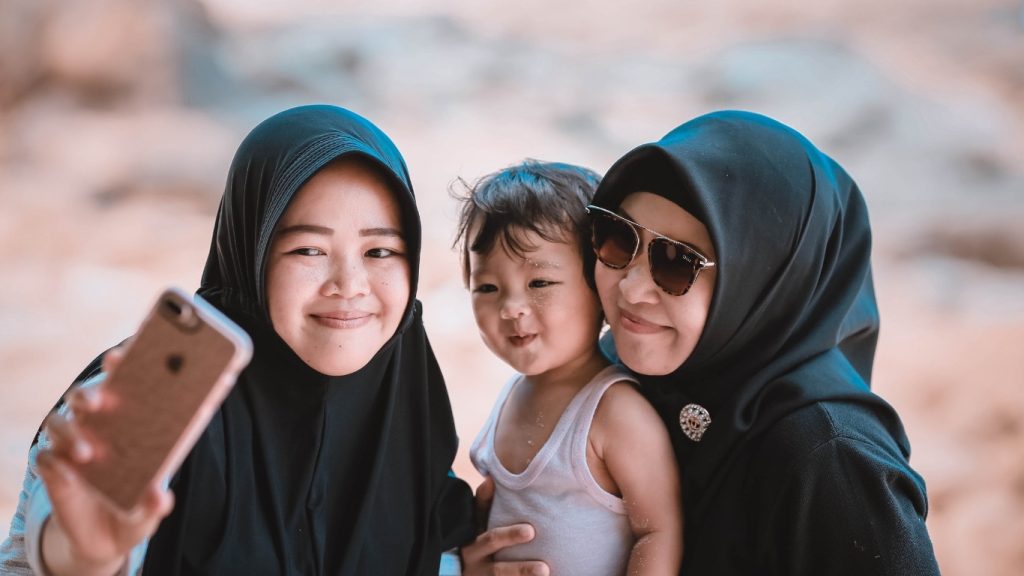

Indonesians are generally very affectionate toward children. It is common for strangers to touch or gently pinch a child’s cheeks, especially if they find the child cute. This action, often referred to as “gemes,” is intended as a genuine show of affection. Foreign children, in particular, may attract even more attention.
This type of interaction most commonly happens with toddlers and very young children. As children grow older, people are generally more hesitant to touch them, and older children themselves will often move away or avoid the interaction if they feel uncomfortable.
However, while the intention is kind, the gesture can sometimes hurt or frighten children who are not used to this level of interaction.
Tip for expats:
If your child is uncomfortable, do not feel hesitant to step in. You can gently stop the gesture before it happens or politely say:“Maaf, dia tidak suka.” (“Sorry, they don’t like that.”)
Remember, the intention behind the action is positive—people are expressing warmth and admiration toward your child.
Personal Space and Privacy
Indonesia is a high-density, relationship-oriented society where privacy is not emphasized in the same way as in Western cultures. In major cities like Jakarta, space is a luxury due to the dense population. Many families live in multigenerational homes, often sharing bedrooms and communal spaces. As a result, the concept of personal privacy is less familiar, and people are accustomed to living closely with others.
Indonesians generally enjoy being around others and value community and friendship. This cultural norm often translates into more direct personal questions and a communal approach to living and socializing.
Tip for expats:
If you value your privacy, it’s important to set gentle boundaries and communicate your preferences. Understand that questions or curiosity are usually a sign of friendliness and interest, not an attempt to intrude.
Smoking Culture
Smoking remains widespread among Indonesian men, and it is a very visible part of daily life. Recent data indicates that approximately 30–35% of the adult population smokes, with significantly higher rates among men—over 60% in some studies. This makes Indonesia one of the countries with the highest smoking rates in the world.
While smoke-free regulations do exist—particularly in Jakarta—covering malls, offices, and public transport, enforcement can be inconsistent. Most restaurants still provide large designated smoking areas, and in some venues these areas are quite prominent.
Compared to many Western countries, regulations are generally less strict, and cigarettes remain relatively affordable. As a result, smoking continues to be a common and socially accepted habit in many environments.
Tip for expats:
Request non-smoking seating when available, but be prepared for some exposure to secondhand smoke, especially in restaurants and outdoor settings.
Spitting and Religious Practices
Spitting may be more noticeable during the fasting month of Ramadan, but it is often misunderstood by newcomers. In Islamic practice, swallowing one’s own saliva does not break the fast and is considered natural and unavoidable. However, some individuals may still choose to spit more frequently, either out of personal habit, discomfort from dryness, or a cautious approach to maintaining their fast. In some cases, people may also avoid swallowing thicker mucus and prefer to spit it out.
In addition, spitting can be seen in the context of religious cleansing rituals. Before prayer, Muslims perform wudu (ablution), which may include rinsing the mouth and expelling water. This can sometimes be mistaken as part of fasting behavior. For expats, it is helpful to understand that while the act may seem unusual, it is generally linked to personal comfort or religious practice rather than a strict requirement of fasting.
Tip for expats:
Be aware that this behavior may increase during Ramadan. While it may feel unfamiliar, it is not intended to be disrespectful and is often tied to personal or religious habits.
Squatting and Daily Habits
Squatting (jongkok) is a natural resting position in Indonesia and is commonly used in daily life, including eating at roadside stalls or using squat toilets. In rural areas, there may not always be seating available, so squatting becomes the most practical and comfortable way to rest or socialize.
Sometimes there will be a squat toilet option available within public restrooms and airports, as some Indonesians may prefer this to a Western toilet. These are often indicated by a marking or sign outside the toilet. In addition, you may occasionally see signs on the backs of restroom doors indicating that squatting on Western toilets is discouraged, as this can damage the fixtures.
Tip for expats:
Be prepared to encounter squat toilets, especially outside major cities in more rural areas. In many cases, toilet paper may not be provided, and instead water is used for cleaning, typically with a dipper or spray.
Staring and Curiosity
In many parts of Indonesia, staring is not considered rude. People may look at you out of curiosity, especially in areas with fewer foreigners.
Tip for expats:
Try not to take it personally—it is rarely intended to offend.
Use of the Left Hand
The left hand is traditionally associated with personal hygiene, as it is used for cleaning oneself in the bathroom. Because of this, it is considered unclean and is sometimes referred to as the “dirty hand” or “bad hand.”
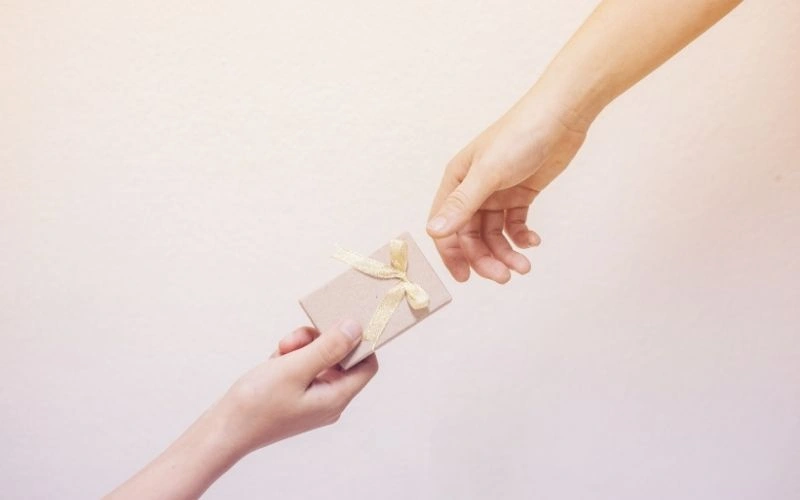
In daily interactions, it is considered extremely impolite to give or receive anything with your left hand—especially food, money, or business cards. Indonesians place importance on using the right hand as a sign of respect.
Westerners who unknowingly offer their left hand are usually excused, as it is understood to be a cultural difference. However, it is best to be aware of this practice and make a conscious effort to use your right hand whenever possible.
Tip for expats:
Always use your right hand when handing over items. If unavoidable, you can acknowledge it politely by saying:“Maaf, tangan kiri.”
Bathrooms and “Wet” Culture
Traditional Indonesian bathrooms often use water instead of toilet paper, with a dipper (gayung) or spray. Indonesians strongly associate water with cleanliness, and many feel that using tissue alone is not sufficient.
The bathroom—often referred to as a water closet (WC), a term adopted from the Dutch—is typically fully tiled, and it is expected that the entire space will get wet during use. There is little concern about water on the floor, as this is part of normal daily practice. In addition, many people use the bathroom to prepare for prayer, which includes washing hands, face, and feet (wudu), contributing further to the wet environment.
As a result, the concept of keeping a bathroom completely dry is generally more of a Western expectation rather than a common practice in Indonesia.
Tip for expats:
Expect bathrooms to be wet and consider using appropriate footwear if needed. Understanding this difference can help avoid frustration and make daily routines more comfortable.