Editor’s Note:
This article was originally written by Lisa J. Redoble, Staff Development Specialist, Tutor Time Early Childhood Education Center – Preschool & Kindergarten. It has been reviewed and updated to reflect current research in early childhood brain development while preserving the author’s original educational message.
Over the past two decades, research into early childhood brain development has greatly expanded our understanding of how young children learn and grow. Scientists now know that the experiences children have during their earliest years play a critical role in shaping the architecture of the developing brain.
At birth, a baby’s brain contains approximately 86 billion neurons (brain cells). While most of these neurons are already present, the brain rapidly develops millions of new connections, called synapses, between these cells during the first few years of life. Genetics provide the basic blueprint for brain development, but a child’s experiences determine how these connections are strengthened, refined and organized. These neural networks form the foundation for language, learning, memory, emotional regulation, problem-solving and social skills.
Although the first three years represent a period of exceptionally rapid brain development, healthy brain growth continues throughout childhood and adolescence. Every positive interaction helps strengthen the brain’s developing network.
Since research has consistently shown the importance of a child’s environment, here are some practical ways to maximize your child’s potential, particularly during the preschool years.
Provide a nurturing and safe environment
Warm, responsive caregiving is one of the most powerful influences on healthy brain development. Touch is a fundamental source of comfort and security. Gentle cuddling, hugs, holding hands and comforting physical contact help children feel safe and loved. Responsive care—consistently meeting your child’s needs for food, comfort, sleep and reassurance—builds secure emotional attachments that support healthy brain development.
Children who feel emotionally safe are more confident exploring the world, learning new skills and developing independence.
Reduce unnecessary stress
While small amounts of everyday stress help children learn resilience, prolonged or overwhelming stress without supportive caregivers—often referred to as toxic stress—can interfere with healthy brain development.
Creating a predictable, loving environment helps children feel secure. Establish regular daily routines, respond calmly to your child’s needs, provide reassurance during difficult moments and ensure that your child has safe places to play and explore.
Provide enriching brain-building experiences
Young children learn best through active experiences using all five senses—touching, tasting, smelling, seeing, hearing and moving. Everyday experiences such as cooking together, gardening, visiting parks, exploring nature or simply talking during a walk all help strengthen brain connections.
Children do not need expensive educational toys. Simple experiences, repeated often, provide some of the richest learning opportunities.
Observe your child at play
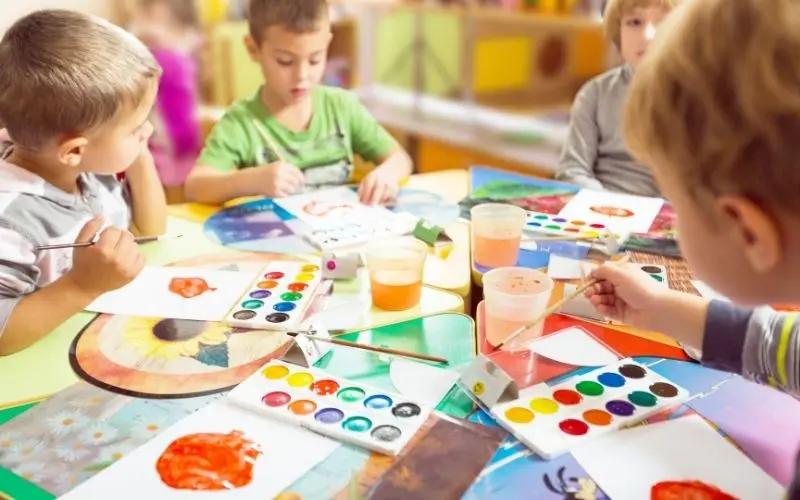
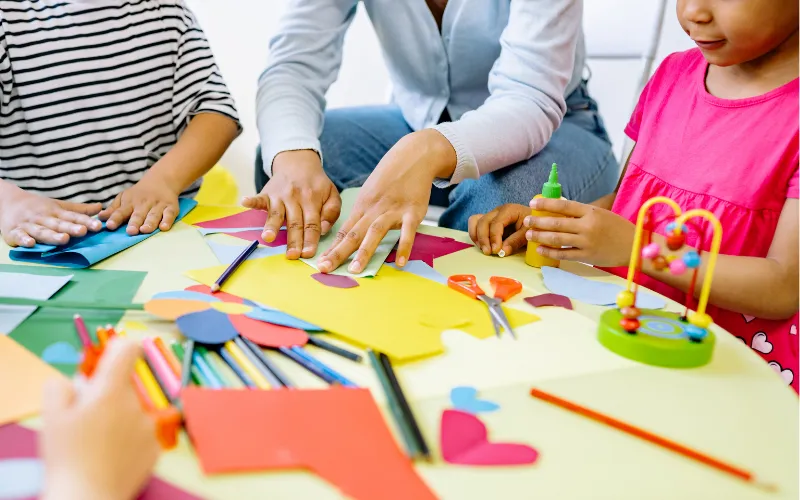
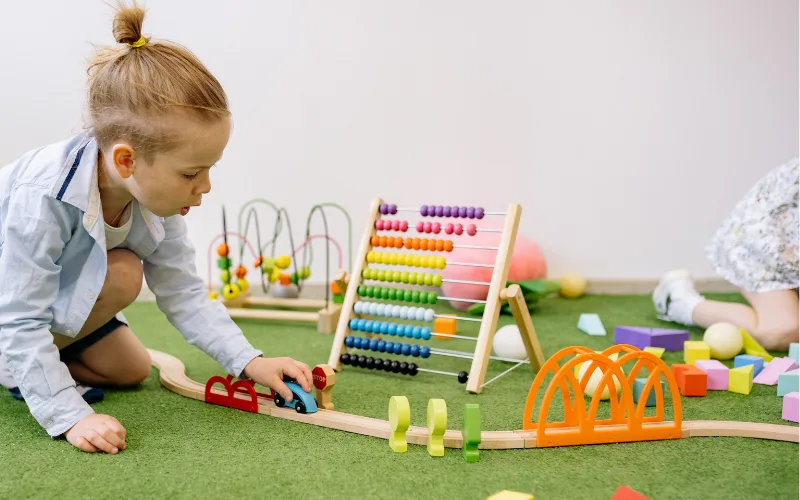
Play is a child’s natural way of learning. As babies and toddlers manipulate objects, crawl, stack blocks, pour water, draw pictures or pretend to cook, they are constantly building new neural connections.
Allow your child opportunities to safely explore different textures, materials and environments. Expect some mess—sensory exploration is an important part of learning.
Rather than directing every activity, watch your child carefully and follow their interests. This helps maintain curiosity and encourages independent learning.
Encourage problem-solving and independence
Parents naturally want to help, but children also need opportunities to solve problems on their own.
Allow your child to make age-appropriate decisions, such as choosing between two outfits, deciding which book to read or figuring out how to reach a toy safely. Offer guidance without immediately providing the answer.
Asking questions such as:
“What do you think will happen?”
“How else could we do this?”
encourages critical thinking and builds confidence.
Allow plenty of repetition
Children learn through repetition. It may seem repetitive when your child asks for the same story night after night or wants to play the same game repeatedly, but every repetition strengthens important brain connections.
Repeated experiences build memory, confidence and mastery of new skills.

Read together every day
Reading aloud is one of the most valuable activities parents can do with young children.
Shared reading develops vocabulary, attention, imagination, listening skills and early literacy. Even infants benefit from hearing stories, songs and nursery rhymes long before they understand the words.
As children grow older, encourage them to ask questions, predict what might happen next in a story and eventually read together.
Talk, talk and talk to your child
Language-rich environments are essential for healthy brain development.
Children begin learning language from birth, long before they say their first words. Talk with your baby during everyday activities, respond when they babble, describe what you are doing, sing songs and read books together.
As children grow older, encourage conversations by asking open-ended questions rather than questions that require only “yes” or “no” answers. Storytelling, family conversations and shared reading continue to strengthen communication skills throughout childhood.
Introduce music and movement
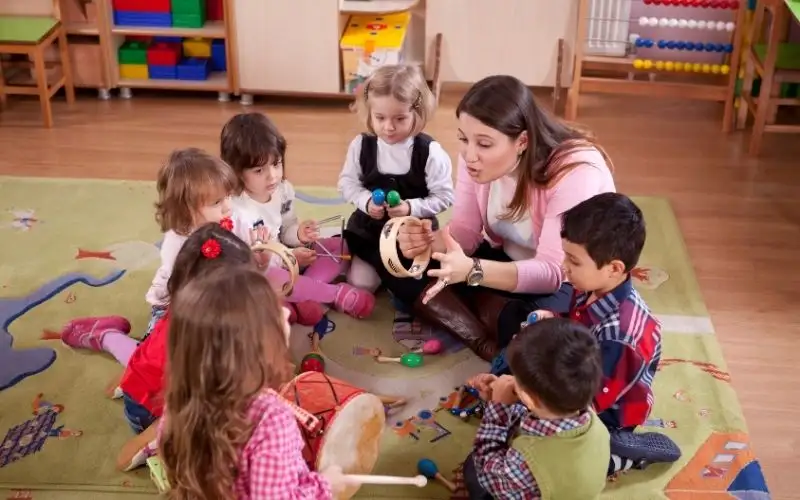
Music exposes children to rhythm, patterns, language, memory and creativity. Singing songs together, dancing, clapping to rhythms and exploring different musical styles all contribute to cognitive, emotional and social development.
While music alone does not necessarily improve mathematical ability, research shows it supports listening skills, attention, memory, self-regulation and language development.
Encourage active physical play
Physical movement is closely connected to brain development. Running, climbing, jumping, balancing, throwing balls and outdoor exploration strengthen both the body and the brain.
Active play supports motor skills, coordination, executive functioning, emotional regulation and social development. Children also benefit from unstructured play, where they can use their imagination, solve problems and make their own decisions.
Be mindful of screen time
Digital devices are now a normal part of family life, but young children learn best through face-to-face interaction with parents, caregivers and other children.
Health experts recommend avoiding passive screen time for babies under 18 months (except for video calls), limiting screen time for toddlers and preschoolers, and choosing high-quality, age-appropriate content whenever screens are used. Whenever possible, watch and interact with your child rather than using screens as passive entertainment.
Nothing replaces conversations, shared play and real-world experiences when it comes to building healthy brain connections.
Provide good nutrition
Healthy brain development begins before birth and continues throughout childhood. Breastfeeding is recommended where possible because it provides excellent nutrition and immune protection during infancy. Families should follow the feeding approach that is most appropriate for their circumstances and healthcare advice.
As children grow, provide a balanced diet that includes vegetables, fruits, whole grains, lean proteins, dairy products or suitable alternatives, healthy fats and foods rich in iron, iodine, zinc and omega-3 fatty acids, such as oily fish.
Most healthy children can obtain the nutrients they need through a balanced diet. Vitamin or mineral supplements should only be used when recommended by a healthcare professional.
Take care of yourself
Finally, remember that caring for yourself is also caring for your child.
Parents who are rested, supported and emotionally healthy are better able to provide the warm, responsive relationships that children need to thrive. You do not have to be a perfect parent—what matters most is being consistently present, loving and responsive.
The everyday moments of talking, reading, playing, comforting and spending time together are the experiences that build your child’s brain and lay the foundation for lifelong learning, resilience and wellbeing.
Lisa J. Redoble
Staff Development Specialist
Tutor Time Early Childhood Education Center – Preschool & Kindergarten
This article has been reviewed and updated in July 2026 to reflect current research in early childhood brain development.