

Many expatriates arriving in Indonesia are surprised to learn that the water treatment and plumbing in Indonesian homes are quite different from those in North America, Europe or Australia. Understanding how water is supplied, stored and treated in Indonesian houses will help you avoid unnecessary concern and make practical decisions about filtration and household maintenance.
Water Sources
Most homes in Indonesia obtain water from one of two main sources: the municipal water supply (known as PAM) or private wells.
Municipal water quality varies considerably depending on the city and the condition of local infrastructure. In some neighbourhoods the water may appear relatively clear, while in others it may contain sediment or have a slight odor.
Private wells are also very common, particularly in older residential areas, where houses were originally designed to rely on groundwater rather than city infrastructure. The quality of well water depends heavily on local groundwater conditions and can contain minerals, sediment or iron.
In many newer housing developments and planned residential compounds, private wells are no longer permitted or practical. These developments are often built with improved infrastructure and rely entirely on the municipal water supply system. While city water is treated before distribution, the quality can still vary and most households continue to use filtration systems or bottled drinking water.
In some areas, particularly in large cities such as Jakarta, Surabaya or Bandung, houses may rely on a combination of sources, for example municipal water supplemented by well water during periods of low pressure.
Storage Tanks and Pumps
One of the first things newcomers notice about Indonesian houses is the presence of water storage tanks. Because municipal water pressure can be inconsistent, many homes use a system that stores water in a ground tank or roof tank.
Water from the municipal supply or well is pumped into the tank and then distributed throughout the house.
In most homes a small electric pump is used to move water from the ground tank to a rooftop tank. Gravity then supplies water pressure to the bathrooms and kitchen.
If the pump stops working or the tank runs empty, water pressure in the house may drop suddenly.
For this reason it is important that household staff or maintenance personnel periodically check the tank levels and pump operation. Sediment can also accumulate in tanks over time, so tanks should occasionally be cleaned.
Water Quality
Tap water in Indonesia should not be considered safe for drinking without treatment.
Although municipal water is treated to some degree, the distribution systems and household storage tanks may introduce additional contamination. For this reason most expatriates rely on bottled or filtered water for drinking and cooking.
Common water quality concerns include sediment or sand particles, iron content that can stain sinks or laundry, bacterial contamination in untreated well water and chlorine taste in municipal water. These issues vary greatly depending on the area and the condition of the plumbing system in the house.
Drinking Water
Most expatriate households rely on bottled drinking water rather than drinking water directly from the tap.
Large refillable bottles (known locally as gallons) are widely available and can be delivered to homes regularly. Popular brands include Aqua and several other locally bottled products.
In many neighbourhoods there are also small refill stations that supply drinking water at lower cost. While convenient, quality standards can vary, so many expats prefer sealed bottled water from established brands.
Household Filtration Systems
Some homes install water treatment systems to improve water quality for bathing, washing and cooking.
These systems may include sediment filters, carbon filters, iron removal systems or water softeners.
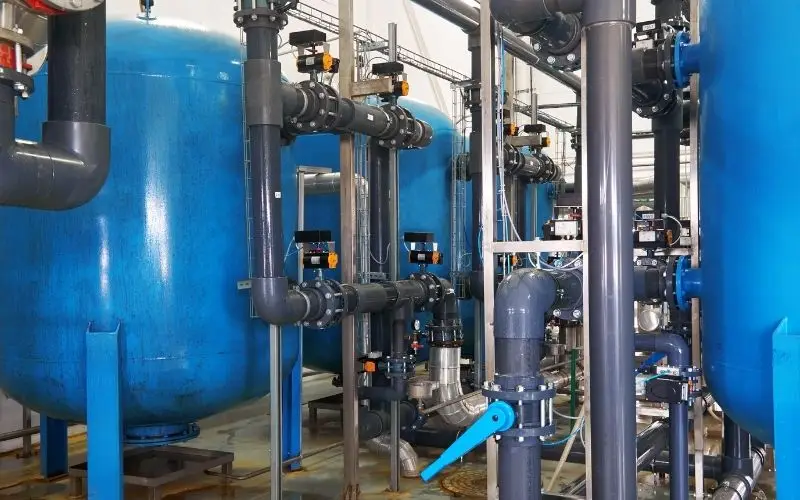
Modern houses and expatriate residences increasingly install whole-house filtration systems, which treat water as it enters the home. These systems can improve clarity, reduce sediment and help protect plumbing fixtures and appliances.
For drinking water, many expatriates use reverse osmosis (RO) filters, ultraviolet (UV) sterilization units or under-sink filtration systems. These systems can significantly improve water taste and safety, although they require periodic maintenance and filter replacement.

Plumbing Systems
Plumbing systems in Indonesian houses may not always follow the same standards that expatriates are accustomed to in Western countries.
Pipes are often made from PVC or other plastic materials, and repairs may sometimes be carried out quickly rather than permanently. Minor leaks are not uncommon and may require occasional attention.
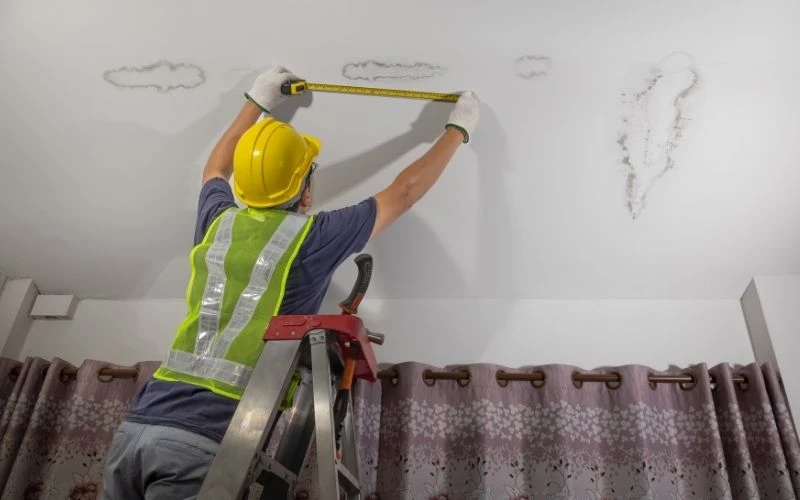
In many houses the pipes are buried inside cement walls or floors, which can make locating a leak difficult. When a leak develops, it is not always easy to determine the exact location without opening the wall. For this reason, plumbers will sometimes install a new pipe along the affected section rather than attempting to locate and repair the original pipe inside the wall.
Routine maintenance and occasional plumbing repairs are a normal part of maintaining a house in Indonesia.
Maintenance and Practical Advice
Because water systems in Indonesia often rely on pumps and storage tanks, occasional maintenance is normal.
Households should expect to clean storage tanks periodically, replace filters in water treatment systems and check pumps and pressure systems from time to time. As a general guideline, water storage tanks should be cleaned approximately every three months to remove sediment that may accumulate at the bottom of the tank.
If the house is equipped with a water filtration system, the system will also require periodic maintenance. Many filtration systems need to be backwashed, meaning the water is run backwards through the system to flush out accumulated sediment and debris. Filters within the system will also need to be replaced periodically. The frequency of this maintenance depends largely on the quality of the incoming water, as homes using well water or sediment-heavy municipal water may require more frequent servicing.
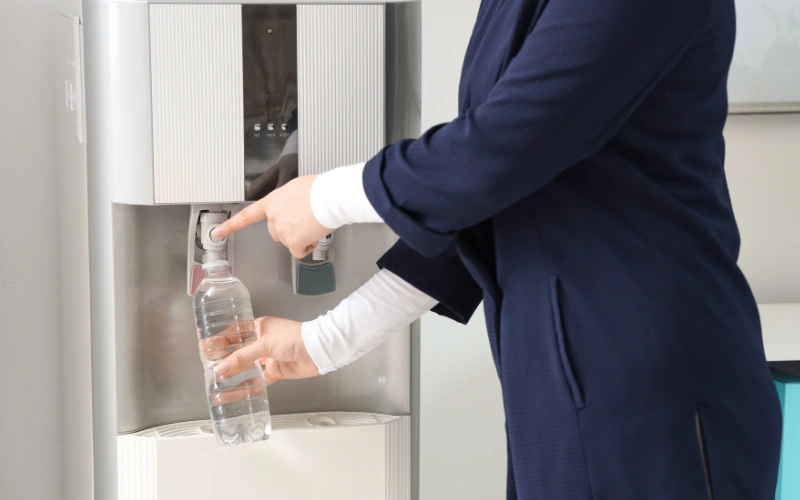
Water dispensers that hold bottled drinking water should also be cleaned thoroughly on a regular basis. Ideally the dispenser should be fully cleaned every three months, and especially after returning from a trip when the water inside the dispenser has been sitting unused. In these situations it is advisable to fully flush out the system before using it again.
If the water suddenly becomes brown or cloudy, it may be due to sediment entering the system or disturbances in the municipal supply. In many cases allowing the water to run briefly will clear the pipes. Persistent discoloration should be investigated.
Plumbers and Water Treatment Services
Qualified plumbers and water treatment companies operate in most major Indonesian cities.
If your housing lease includes maintenance, the homeowner or landlord is typically responsible for arranging repairs and hiring a plumber if plumbing issues arise. In these situations it is usually best to notify the landlord or property manager first so they can coordinate the repair.
If maintenance is not included in the lease, expatriates often find plumbers through recommendations from neighbours, property managers or housing agents. Online platforms can also be helpful. Services such as Tukang.com and other repair service apps allow homeowners to locate tradespeople for household repairs.
However, it is important to note that many people who advertise themselves as plumbers may not be formally certified, and the quality of workmanship can vary significantly. For this reason it is strongly recommended to check reviews or seek recommendations from people who have previously used the service before hiring someone.
If the article includes company listings or contact information, these should be periodically verified to ensure the businesses are still operating and the contact details remain accurate.
Practical Considerations for Expats
Although the plumbing systems in Indonesian homes may appear unfamiliar at first, most expatriates quickly become accustomed to them.
The most important things to remember are that tap water should not be consumed without treatment, bottled or filtered drinking water is widely available and storage tanks and pumps are normal features of Indonesian homes.
With proper maintenance and basic precautions, water systems in Indonesian homes can function reliably.
Frequently Asked Questions Water Treatment and Plumbing in Indoenesia
Is tap water safe to drink in Indonesia?
In most parts of Indonesia tap water is not considered safe to drink without treatment. Most expatriates rely on bottled water or home filtration systems for drinking and cooking.
Why do Indonesian houses have water tanks?
Water tanks help maintain stable water pressure. Municipal water pressure can fluctuate, so water is stored in tanks and then distributed throughout the house using gravity or pumps.
What type of water filters do expats use in Indonesia?
Many homes install sediment and carbon filters for general household use. For drinking water, reverse osmosis systems and ultraviolet sterilization filters are commonly used.
Why does tap water sometimes appear brown?
Brown water is usually caused by sediment or minerals entering the pipes or disturbances in the municipal supply. Running the tap briefly often clears the discoloration.