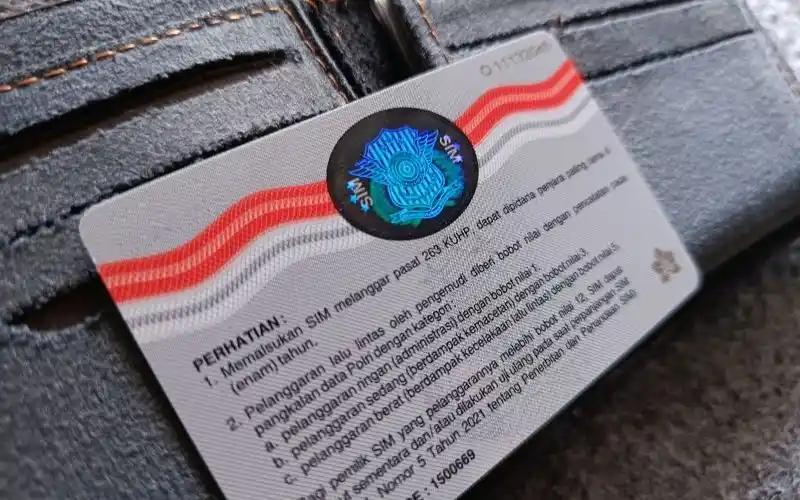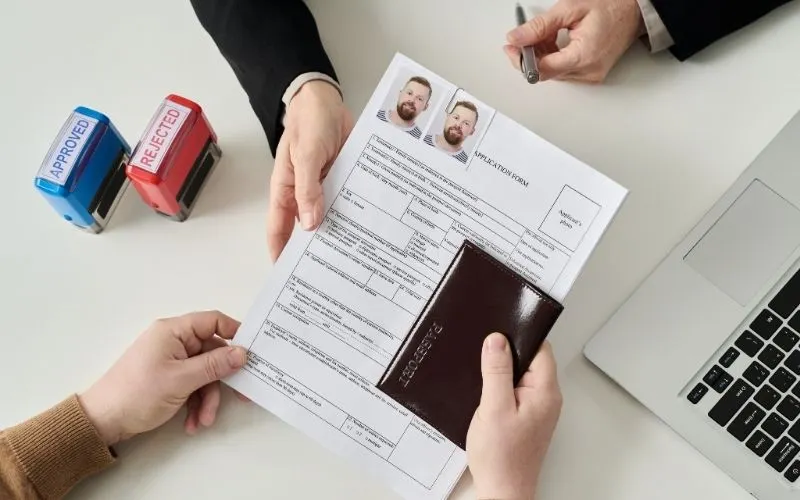



Understanding the legal environment in Indonesia is an important part of a successful relocation. While the legal system is well established, it can feel complex for expatriates due to differences in language, administrative processes, and how laws are applied in practice.
This page provides an overview of key legal topics that commonly affect expatriates living and working in Indonesia, along with links to more detailed articles on specific subjects such as work permits, marriage, divorce, and property ownership.
Indonesian Legal System
The Indonesian legal system has its roots in Dutch civil law, combined with Indonesian statutory law, religious law in matters such as marriage and inheritance, and customary law (adat) in certain regions.
In practice, the application of the law can vary depending on the region, the government office involved, and the experience of the legal professionals assisting you. For expatriates, this means that having reliable legal advice is often essential when dealing with formal legal matters.
Work Permits and Visas
(Internal links retained as per original page)
Foreigners working in Indonesia must hold the appropriate work permits and stay permits, typically arranged through their sponsoring employer. These processes involve multiple steps and approvals, and compliance is important to avoid penalties.
Indonesia has introduced various updates to its immigration system in recent years, including online processing and additional visa categories such as investor visas and second home visas. As regulations can change, it is important to verify current requirements with your employer or a qualified immigration consultant before making decisions.
Marriage and Family Law
(Internal links retained as per original page)
Indonesia recognizes six official religions, and marriages must be conducted according to one of these religions to be legally recognized.
Mixed marriages between foreigners and Indonesians are common, but they involve additional legal considerations, particularly around property ownership and inheritance. A prenuptial or postnuptial agreement is strongly recommended to protect both parties and ensure compliance with Indonesian law.
Divorce and Child Custody
(Internal links retained as per original page)
Divorce in Indonesia must be processed through the courts and can take time depending on the circumstances and jurisdiction.
Foreigners who are sponsored by their Indonesian spouse should be aware that divorce may affect their immigration status. In many cases, a new visa or sponsorship arrangement will be required to remain legally in Indonesia, particularly if there are ongoing family responsibilities such as child custody.
Property Ownership
Foreigners are not permitted to directly own freehold land (Hak Milik) in Indonesia. However, there are legal structures such as Hak Pakai (right to use) that allow foreigners to hold property under certain conditions.
Regulations surrounding property ownership are subject to change and can be complex. It is strongly recommended to seek professional legal advice before entering into any property transaction to ensure compliance and protect your interests.

Finding a Good Lawyer
(Existing internal and external links retained)
Finding a reliable lawyer in Indonesia is an important step when dealing with legal matters. While directories and organizations can provide a starting point, personal recommendations from trusted contacts are often the most reliable way to identify competent legal professionals.
It is advisable to work with a lawyer who has experience assisting expatriates and understands both Indonesian law and cross-border considerations. Clear communication and transparency around fees and scope of work are also important factors when selecting legal representation.
Legal Advice and Practical Considerations
Legal processes in Indonesia often involve administrative steps that can take time and require follow-up. Patience and local guidance are important in navigating these processes effectively.
Whenever possible, ensure that agreements are clearly documented in writing, preferably in both Bahasa Indonesia and English, and reviewed by an independent legal advisor. This helps avoid misunderstandings and provides clarity for all parties involved.
Some Answers to Questions About Indonesian Law
Note: The following questions and answers are based on general legal principles and common situations. Regulations can change, and individual circumstances vary. Always seek professional legal advice for your specific case.
Can foreigners own property in Indonesia?
Foreigners cannot own freehold land (Hak Milik). However, they may hold property under certain rights such as Hak Pakai, subject to specific conditions.
Do I need a prenuptial agreement to marry an Indonesian?
While not legally required, a prenuptial or postnuptial agreement is strongly recommended, particularly to protect property rights and clarify financial arrangements.
Is it necessary to use a lawyer in Indonesia?
It is not always mandatory, but using a lawyer is highly advisable for contracts, property transactions, and legal disputes to ensure compliance with local regulations.
How long do legal processes take in Indonesia?
Timeframes vary depending on the case and location. Administrative processes and court proceedings can take longer than expected, so planning ahead is important.
Can I stay in Indonesia after a divorce from an Indonesian spouse?
Possibly, but your immigration status may change. You will typically need to secure a new visa or sponsorship arrangement to remain legally in Indonesia.
Frequently Asked Questions About Legal Matters in Indonesia
What are the most common legal issues expats face in Indonesia?
The most common issues include visas and work permits, marriage and divorce, property ownership, and understanding employment regulations.
Are contracts in English legally valid in Indonesia?
Contracts are generally required to be in Bahasa Indonesia or include a Bahasa Indonesia version to be fully enforceable.
How do I find a trustworthy lawyer in Indonesia?
Personal referrals, expat communities, and professional networks are often the most reliable sources. Always verify credentials and experience.
Closing Note
Indonesia offers a structured legal system, but navigating it successfully often depends on understanding both the formal rules and how they are applied in practice. With the right guidance and preparation, most expatriates are able to manage their legal matters effectively and avoid unnecessary complications.