

Editor’s Note:
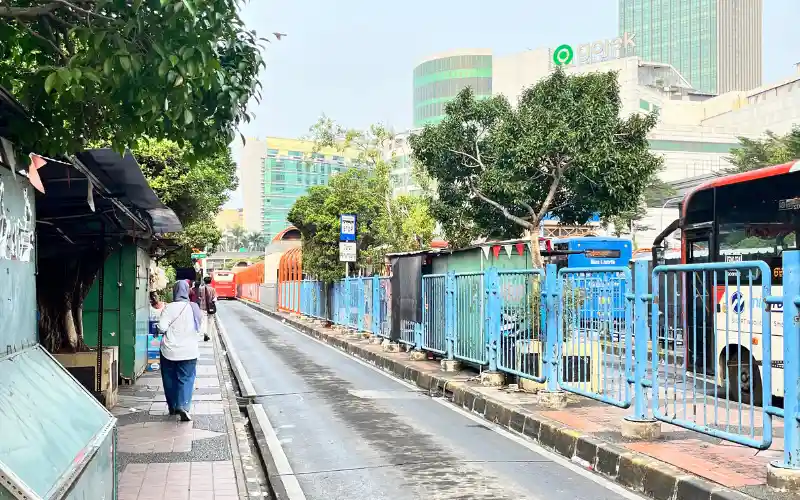
The article below was written in 2008 and reflects the author’s personal experiences with Jakarta’s bus system at that time. Since then, public transportation in Jakarta has undergone dramatic improvements. The introduction and expansion of the TransJakarta Bus Rapid Transit (BRT) network, modern city buses, integrated transport systems, electronic payment methods, improved safety standards, and greater government oversight have transformed bus travel in the capital. Many of the conditions described below, particularly regarding Metro Mini buses, no longer represent the experience of most bus users in Jakarta today. Nevertheless, this article offers an interesting glimpse into a very different era of transportation in the city.
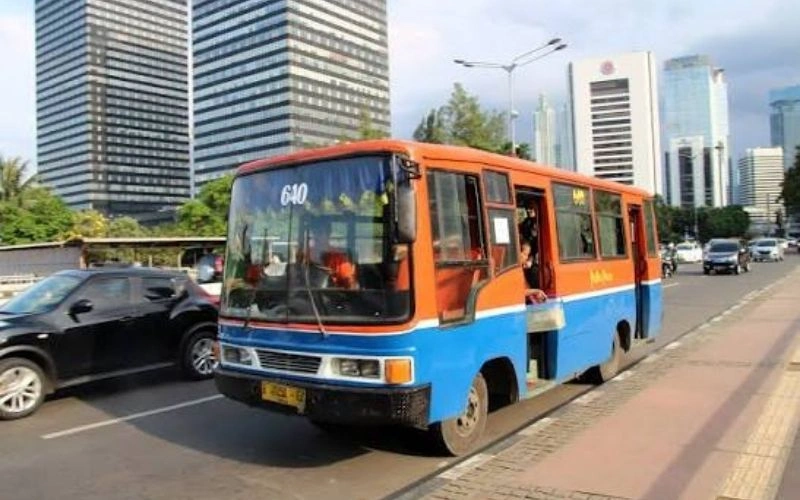
Buses in Jakarta are not pretty. Indonesians do not beautify their transport like Filipinos do their jeepneys or Pakistanis do their buses. One bus company in Jakarta probably had the ugliest buses and was among the most dreaded sights for many of the city’s motorists—the Metro Mini.
Metro Minis were medium-sized buses fitted with tightly packed plastic bucket seats mounted on a dirty metal floor. Painted a bright orange that was often obscured beneath layers of dust and grime, each bus displayed its route number in the front window.
Being privately owned, Metro Minis were typically rented out by the day. Multiple buses competed against one another along the same routes. Drivers and conductors earned whatever remained from the day’s takings after paying for diesel fuel and the daily rental fee. They were also often responsible for any damage sustained while operating the vehicle.
The result was predictable. Metro Minis frequently ran with broken lights, cracked windows, bent body panels, and other signs of neglect. They were cramped, hot, noisy, inexpensive—and incredibly fast.
I nicknamed them the “Bullet Bus.”
Some enterprising crews even gave their buses nicknames, displaying large stickers across the rear windows. I once saw a Metro Mini carrying a giant “Jablay” sticker, using the Indonesian slang term for a cheap prostitute.
One trademark of the “Bullet Bus” crews was their determination to collect passengers anywhere and everywhere along the route. Passengers were often picked up and dropped off without the bus fully stopping. People jumped on and off while traffic continued flowing around them, sometimes in the middle of the road. Competition for fares was fierce, and buses serving the same route frequently raced one another for passengers.
Returning from a contract one Friday evening, I found myself in a taxi following two Metro Minis that were engaged in exactly this sort of race. They sped side by side through traffic while their conductors leaned out of the open doors, shouting destinations at potential passengers.

Fascinated, I watched them weave around slower vehicles as their speed increased. Cars behind them gradually backed away, creating a widening safety gap. Then one of the buses spotted a passenger and abruptly pulled across the path of the other.
Moments later, they crashed.
The taxi slowly rolled past the scene.
I could see a steady stream of visibly shaken and bleeding passengers climbing out of the first bus. The second Metro Mini simply drove away. The driver of the damaged bus had apparently escaped through the shattered front window and was running down the road.
The taxi driver continued as if nothing unusual had happened. Looking back, I could still see the Metro Mini driver running behind us before he disappeared into the crowd on the sidewalk, leaving behind a wrecked bus and injured passengers.
Every time I found myself stuck behind a Metro Mini after that, I remembered the incident.
And my fiancée wondered why I refused to travel by bus.
By Mark W. Medley
Excerpt from City of Dreams: An Extraordinary Journey Inside the Heart of Indonesia’s Capital – Jakarta
Copyright © 2008, Mark W. Medley