

Welcome to a rupiah world! Your daily lives in Indonesia will be ruled by the rupiah. Even international companies that budget in foreign currency generally need to settle domestic transactions in rupiah, in line with Indonesia’s mandatory rupiah rules for domestic payments.
And at long last, you are guaranteed to become a millionaire during your stay in a rupiah world, that is. The cost of many everyday transactions can quickly run into the millions of rupiah, which still takes some adjustment for newly arrived expats.
You will probably still use cash in Indonesia more than in some home countries, especially in traditional markets, for small neighborhood purchases, tips, and in places where card acceptance is limited.
That said, Indonesia is no longer only a cash economy for day-to-day living. Many establishments, particularly in urban areas, are increasingly moving toward cashless transactions. Debit cards, mobile banking, e-wallets, and especially QRIS are now widely used, and in some cafés and retail outlets cash may not even be the preferred method of payment.
This shift toward digital payments has made transactions more transparent and, just as importantly, reduces the need for businesses to handle and transport large amounts of cash. E-money is commonly used for toll roads, parking, and is increasingly accepted in cafés, convenience stores, and other everyday transactions.
Personal checks are rarely used for everyday transactions. International credit cards are accepted in many larger businesses, though smaller merchants may still prefer cash or QR payment.
The Color of Money
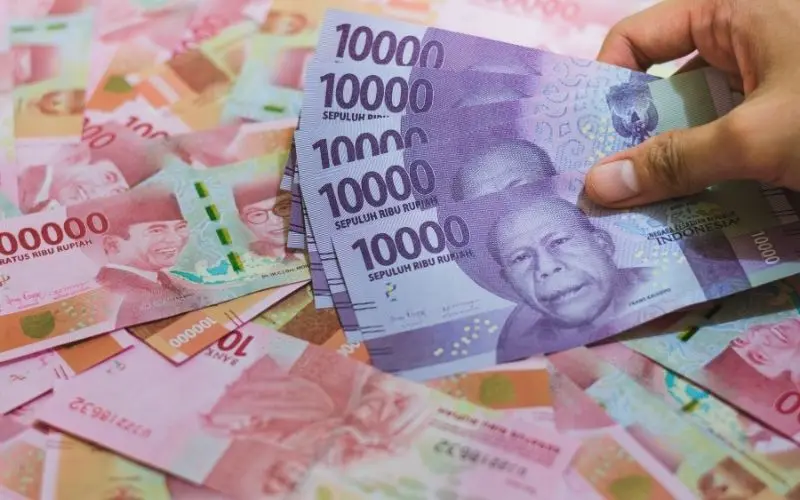
At first glance you will find the bills unfamiliar, of course. If you’re one of those people who is just used to green and white bills, for example, the virtual rainbow of colors of the various Indonesian banknotes may come as a big surprise.
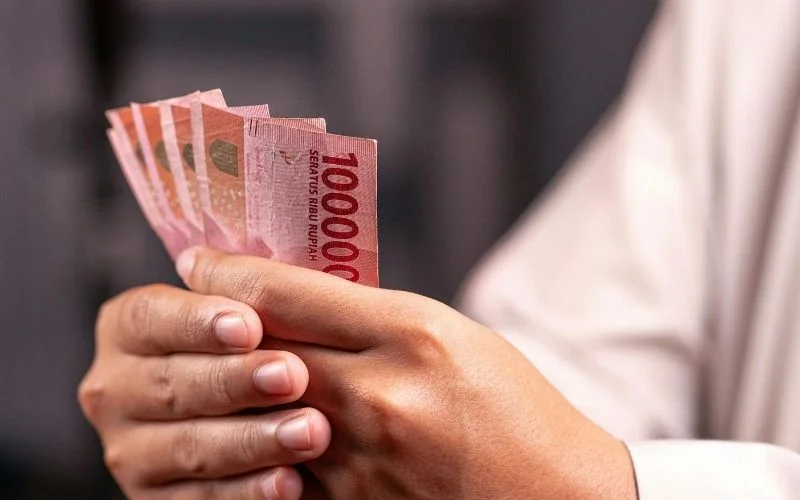
Current Indonesian rupiah banknotes in circulation include Rp1,000, Rp2,000, Rp5,000, Rp10,000, Rp20,000, Rp50,000, and Rp100,000. Coins commonly seen in circulation today include Rp1,000, Rp500, Rp200, and Rp100. While smaller denominations exist, many expats will rarely encounter them in daily use.
Money Mix-Ups
While still learning the currency, it is easy to hand over the wrong note, especially when you are moving quickly and dealing with several zeros. New arrivals often confuse notes that share similar color tones, particularly Rp2,000 and Rp50,000 (both shades of purple), or Rp2,000 and Rp20,000 when moving quickly.
In reality, most mistakes happen not because the notes look identical, but because you are distracted, in a hurry, or trying to keep the transaction moving smoothly. It is very easy to miss an extra zero under pressure.
It is worth pausing for an extra second and focusing on the denomination rather than the color until the figures become familiar. That small habit can save you from overpaying without realizing it.
Converting Currency
If figuring out a new currency isn’t challenge enough, newly arrived expatriates also have the tendency to want to convert the price of items in rupiah to their home currency so that they can determine the “true cost” to them of items they want to buy.
After your arrival in Indonesia, it will take a few months of using the currency in order to feel comfortable with the value of various items and what they cost. In the early weeks this will undoubtedly cause a lot of confusion until you are “fluent” in the local currency language.
Learn the Language
An obvious first target when learning the national language, Bahasa Indonesia, is to learn all the numbers and words that describe money and purchasing transactions.
Develop a Crutch
This could be a simple card that you keep in your purse or wallet which lists rough conversions, but today most people will simply use a currency conversion app on their phone during the first few weeks.
There are many websites and banking apps where you can check current exchange rates. Bank Indonesia, major Indonesian banks, and established international currency tools are all useful references.
Online Apps
Online apps are the easiest way to get current exchange rates. For everyday practical use, expats usually compare the rate offered by their bank, a reputable money changer, and a trusted online converter before making a larger exchange.
It is also wise to remember that the rate you see online may differ from the buy or sell rate actually offered to you at the counter.
Exchanging Foreign Currency
You can exchange foreign currency in major cities throughout the archipelago at banks and money changers.
Money changers are widely available, and you will often find one located in most major shopping malls, making it convenient to exchange smaller amounts as part of your daily routine.
Many locations primarily handle major currencies, and less common currencies may need to be ordered in advance or may not be accepted at all. Exchange procedures, opening hours, and available currencies vary widely by bank and branch, so it is best to check directly before making a special trip.
If you are planning to exchange a large amount of money, it is advisable to contact the bank or money changer in advance. Not all locations keep large amounts of foreign currency or rupiah on hand every day, and you may be asked to place an order a day ahead to ensure availability.
For safety and consumer protection, it is strongly recommended to use a licensed money changer rather than an unlicensed street operator.
Helpful Currency Conversion Links
BCA Kurs
Oanda Currency Converter
Money Changers
Money changers are found in areas where foreign tourists congregate: in malls, hotels, near concentrations of budget accommodations, and in major business districts.

You may sometimes find better rates by comparing several reputable providers, especially for larger transactions, but the bigger priority should be transparency, security, and licensing rather than bargaining.
As with any large cash transaction, be sure to ask a security guard to escort you to your car after exchanging a significant amount of funds.
Always count the money carefully before leaving the counter and avoid distractions during the transaction. For larger sums, it is common for the teller to use a counting machine. They will usually count the money in front of you and ask you to watch and agree on the total before completing the transaction. Take the time to confirm the amount, as this is your opportunity to ensure everything is correct.
When US Dollars and other Foreign Currencies are an Investment Tool, not Simply Cash
The average traveler to Indonesia will undoubtedly be surprised when they take their perfectly good US dollars to a money changer or bank in Indonesia to find that the staff refuses to exchange the money into Indonesian rupiah because of a small fold, ink mark, rip, wrinkle or imperfection of any kind.
Clean, newer US dollar bills in large denominations are often preferred, and damaged, heavily marked, or older-looking notes may be rejected or exchanged at a worse rate. Policies vary by provider, so readers should verify in advance if they are bringing foreign cash.
Money changers will also carefully examine the bills, including checking the serial numbers and series year printed on the note. In practice, this is less about the exact serial number itself and more about ensuring the bill is from a newer series and meets their acceptance standards. Older series notes, particularly those issued before the mid-2000s, may be refused or given a lower exchange rate, even if they are still considered legal tender in the United States.
For this reason, it is always advisable to bring newer, crisp US dollar bills in excellent condition, ideally larger denominations, to avoid any issues when exchanging money.
Buy/Sell Rates
Major banks offer different rates for buying and selling foreign currency. The buying rate is when the bank buys from you and the selling rate is when the bank sells to you. The difference, or spread, is the profit the bank makes off these transactions.
The difference in the spread can make a big difference in the amount you receive if you are exchanging large amounts of currency. Shop around for good rates so you don’t lose in the exchange.
Currency Fluctuations
Exchange rates can move significantly, so expats with expenses in both rupiah and foreign currency should monitor rates and avoid making assumptions based on past values.
The rupiah is influenced by a wide range of domestic and global factors, including international markets, capital flows, inflation expectations, and central bank policy.
Devaluation
The following section is included for historical context and to explain why long-term residents may still talk about earlier devaluations.
The rupiah has experienced several major devaluations in the past, particularly during periods of economic restructuring. These historical events are part of Indonesia’s broader economic development and are often referenced by long-term residents when discussing currency trends.
Worn Out Money
Money can stay in circulation in Indonesia for a long time, particularly in lower denominations.
If you receive notes that are badly damaged, your bank or Bank Indonesia may be able to exchange genuine worn or damaged currency, subject to official requirements.
Counterfeit Money
Counterfeit money is found around the world; Indonesia is no exception.
Ultra-violet lights or special pens are used in many banks and places of business to check the bills you present to them to see if they are counterfeit.
If you are withdrawing a large amount of cash, especially in high denominations, it is sensible to count it carefully before leaving the counter and avoid changing large sums in casual or unlicensed locations.
Staid Old Green Bills
Many expats coming from countries that use more uniform-looking banknotes often find Indonesia’s colorful currency confusing at first. Over time, however, most people adjust quickly and begin to recognize denominations by both color and design.
Collecting Indonesian Banknotes and Coins
The history of any nation can be seen through its currency and Indonesia is no exception. Old coins dating back to the Dutch colonial era and earlier periods can still be found by collectors.
Some older notes and coins are sought after by collectors and can provide an interesting glimpse into Indonesia’s economic and cultural history.
FAQ
Can I use foreign currency for everyday payments in Indonesia?
In most domestic transactions, payments are expected to be made in rupiah rather than foreign currency.
Is Indonesia still mostly cash-based?
Cash is still important, especially for small transactions, but QRIS, debit cards, e-wallets, and banking apps are now widely used in daily life.
How do I know if a money changer is safe?
Use a licensed money changer and be cautious of unusually attractive rates, rushed counting, or unclear fees.
What rupiah notes will I use most often?
Most expats will commonly use Rp2,000, Rp5,000, Rp10,000, Rp20,000, Rp50,000, and Rp100,000 notes, with coins mainly used for small change.