


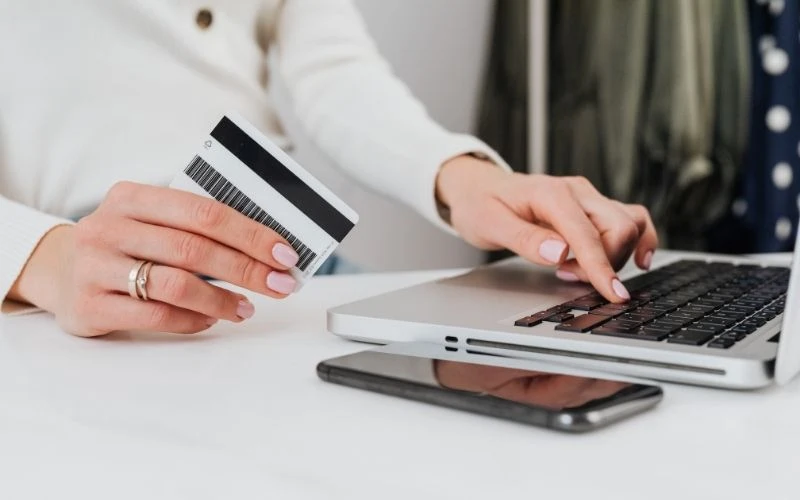
Indonesia is generally a safe place to live and travel, but like in many countries, financial fraud does occur. Credit card fraud has been an issue for many years, particularly in larger cities and tourist areas. While traditional methods such as card skimming still exist, fraud has evolved and now increasingly includes digital and mobile-based scams that expats should be aware of.
For expatriates, understanding how fraud typically happens in Indonesia today is the best way to avoid becoming a victim. Awareness and a few simple precautions can significantly reduce your risk.
How Credit Card Fraud Happens
The most common form of credit card fraud in Indonesia historically involved skimming, where a device is placed over an ATM card slot or used by dishonest staff to copy your card details. These details are then used to create duplicate cards.
While skimming still occurs, fraud has become more sophisticated. Expats should now also be aware of online and phishing scams where fake emails or websites imitate banks and request your login details. There are also OTP scams, where fraudsters trick you into sharing verification codes sent to your phone, and impersonation scams through WhatsApp or SMS pretending to be your bank or a delivery service.
With the rise of digital payments, QRIS payment scams have also appeared, where fake QR codes redirect payments to fraudulent accounts. In addition, unsecured online transactions can expose your card details if proper precautions are not taken.
In many cases, fraud is not caused by hacking systems, but by social engineering, where individuals are tricked into voluntarily sharing sensitive information.
Where Fraud Is Most Likely to Occur
Fraud is more commonly reported in busy urban areas such as Jakarta, Bali, and Surabaya, as well as in tourist-heavy locations where card usage is frequent.
ATMs that are not located inside banks or secure premises carry a higher risk. Standalone machines, particularly those in quiet or poorly monitored areas, are more vulnerable to tampering or the installation of skimming devices.
Using ATMs Safely
When using ATMs in Indonesia, it is advisable to choose machines located inside banks, shopping malls, or reputable buildings. Before inserting your card, take a moment to check the card slot for anything unusual or loose.
Always cover your hand when entering your PIN and avoid accepting help from strangers, even if they appear helpful. If your card is captured by an ATM, contact your bank immediately rather than leaving the machine unattended.
Using Credit Cards in Shops and Restaurants
When paying by card, always try to ensure that your card remains in your sight. In some cases, staff may take your card away to process the transaction, which increases the risk of card details being copied.
Today, many establishments use portable card machines, and you can politely request that payment be processed at your table. If a portable machine is not available, you can volunteer to go to the cashier to ensure your card is processed in front of you.
Online Transactions and Digital Banking
Online transactions and mobile banking are now widely used in Indonesia. While generally safe, they introduce new types of risk if proper precautions are not taken.

It is advisable to only use official banking applications downloaded from trusted app stores. Avoid clicking on links sent via SMS or WhatsApp claiming to be from your bank, and always verify website addresses before entering payment details.
Never share OTP codes with anyone, even if the request appears legitimate, as banks will not ask for this information.
What To Do If You Become a Victim of Fraud
If you suspect fraudulent activity, contact your bank immediately to block your card or account. Most banks have 24-hour hotlines specifically for this purpose.
Monitor your transactions closely and report any suspicious charges as soon as possible. You will typically need to request a replacement card, and in some cases, complete a formal report for investigation or reimbursement.
Most international banks and many Indonesian banks have fraud protection systems in place, but response times and procedures may vary.
General Precautions
Regularly check your bank and credit card statements and enable transaction notifications where possible so you can detect unusual activity quickly.
Avoid using public Wi-Fi for financial transactions, and whenever possible, use cards with chip and PIN security. It is also wise to maintain a secondary payment method in case your primary card is blocked or compromised.
A Practical Perspective
While fraud does occur, most expatriates live in Indonesia for years without experiencing any issues. With basic awareness and sensible precautions, the risk remains manageable and should not be a cause for concern.
Frequently Asked Questions Credit Card Fraud
Is credit card fraud common in Indonesia?
Fraud does occur, particularly in large cities and tourist areas, but it is not experienced by most residents. Awareness and caution significantly reduce the risk.
Is it safe to use ATMs in Indonesia?
Yes, especially when using ATMs located inside banks or shopping malls. Avoid isolated machines and always remain alert.
Can I safely use online banking in Indonesia?
Yes, provided you use official apps, avoid suspicious links, and never share sensitive information such as OTP codes.
What is QRIS and is it safe?
QRIS is Indonesia’s national QR payment system. It is generally safe, but users should ensure they are scanning legitimate QR codes provided by trusted merchants.
What should I do if my card is blocked or compromised?
Contact your bank immediately, block the card, and request a replacement. Monitor your account closely for any further unusual activity.