


Editor’s Note:
This article was originally contributed by Laetitia Chanéac-Knight, based on her family’s experiences exploring Bali’s east coast. The information has been reviewed and updated to reflect current conditions, safety recommendations, and marine conservation practices.
For children who are confident swimmers and enjoy looking at fish and coral, Amed remains one of Bali’s best snorkeling destinations.
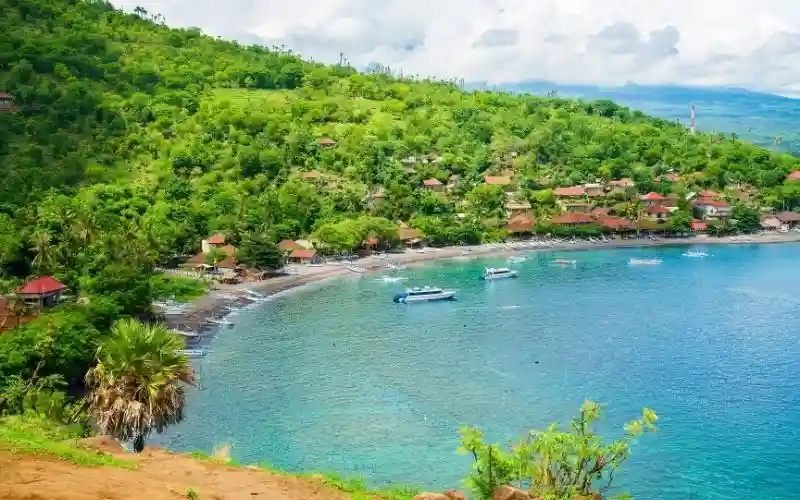
Located on Bali’s east coast, Amed offers calm bays, clear water, colorful coral reefs, and abundant marine life. Compared to many of Bali’s busier beach destinations, Amed provides a more relaxed environment where children can safely experience the underwater world.
Lipah Beach
Lipah Beach is one of the most family-friendly snorkeling locations in Amed. The sandy entry makes it easier for younger snorkelers, and children can often see a wide variety of fish even in relatively shallow water.
If your child is still learning how to use a mask and snorkel, Lipah Beach is an excellent place to build confidence.
The success of any snorkeling trip often relies on having the right equipment. While adult-sized gear is readily available throughout Amed, children’s equipment can be more difficult to find. Families are encouraged to bring properly fitted masks, snorkels, fins, and reef shoes from home whenever possible.
When children are still young, parents may find it helpful to use a bodyboard or flotation ring and gently tow them while they observe fish and coral. This can help build confidence while reducing the risk of accidentally kicking coral in shallow areas.
Rash guards, reef-safe sunscreen, hats, and plenty of drinking water are essential. It is easy to underestimate the strength of the tropical sun while spending time in the water.
The Japanese Wreck
For children who are already comfortable swimmers, the Japanese Wreck near Lipah Bay remains one of Amed’s most popular snorkeling sites.
Located a short distance offshore, the wreck is covered with coral growth and attracts a variety of marine life. Depending on tides and sea conditions, parts of the wreck can be visible from relatively shallow water.
Parents should be aware that currents around the wreck can occasionally be stronger than at Lipah Beach, and the rocky shoreline can make entry and exit more challenging. Reef shoes are highly recommended, and younger snorkelers should always be accompanied by an adult.
Tulamben and the Liberty Wreck
If your child enjoys shipwrecks and marine life, Tulamben is located approximately 30 minutes north of Amed and is home to Bali’s famous USAT Liberty shipwreck.
The Liberty Wreck is considered one of the world’s most accessible wreck snorkeling sites. Parts of the wreck lie close enough to the surface that confident swimmers can observe sections of the ship while snorkeling from shore.
The wreck is now covered with colorful coral and attracts large schools of tropical fish. Children often find it fascinating to learn about the history of the ship before seeing it beneath the water.
Respecting Marine Life
In the past, some snorkeling guides and untrained operators occasionally attracted fish by feeding them bread or other food to create closer encounters for visitors. While this may seem harmless, marine conservation experts now discourage feeding wild fish.

Fish feeding can alter natural feeding behaviors, make fish dependent on humans, disrupt the balance of reef ecosystems, and contribute to the deterioration of coral habitats. Bread is particularly unsuitable as it is not part of a fish’s natural diet and can negatively affect marine health.
One of the greatest joys of snorkeling is observing marine life behaving naturally in its own environment. Encourage children to watch fish, coral, and other sea creatures respectfully from a distance while learning about the importance of protecting Bali’s fragile reef ecosystems.
Coral Conservation
A wonderful way to help children understand the importance of marine conservation is by participating in a coral restoration project.
Several reef restoration initiatives continue to operate in the Amed area, where damaged reefs are being rehabilitated through coral transplantation and other conservation efforts. Some organizations offer opportunities for visitors to sponsor coral restoration projects and learn more about the long-term protection of Bali’s marine environment.
Best Time of Year to Visit
Amed and Tulamben are located on Bali’s relatively dry east coast and generally enjoy favorable snorkeling conditions for much of the year.
Best Months
- April to June
- July to October
During these months visitors can typically expect:
- Better underwater visibility
- Calmer sea conditions
- Less rainfall
- More reliable snorkeling opportunities
Good Months
- March
- November
Conditions are often still very good, although occasional rain and reduced visibility may occur.
Less Ideal Months
- December to February
Snorkeling is still possible during Bali’s rainy season, but increased rainfall can reduce underwater visibility and create less predictable sea conditions.
Best Time of Day
Morning is generally the best time to snorkel.
Early mornings usually offer:
- Calmer water
- Better visibility
- Fewer visitors
- More active marine life
Accommodation
Amed offers a wide range of accommodation options suitable for families, from simple beachfront guesthouses to boutique resorts and villas. Many properties are located within walking distance of snorkeling beaches, making it easy for families to enjoy the water without lengthy travel.
As facilities, ownership, and services can change frequently, it is recommended that visitors consult recent reviews and booking platforms when selecting accommodation. Family requirements such as swimming pools, family rooms, children’s menus, and direct beach access can vary considerably between properties.
Recommended Family Tips
- Bring your own children’s snorkeling equipment whenever possible.
- Use reef-safe sunscreen.
- Wear reef shoes on rocky beaches.
- Snorkel in the morning for the best conditions.
- Avoid touching coral or marine life.
- Do not feed fish.
- Consider hiring a local snorkeling guide if you are unfamiliar with the area.
- Always check weather and sea conditions before entering the water.
- Ensure children are supervised at all times while snorkeling.
Final Thoughts
Amed and Tulamben remain among the best family snorkeling destinations in Bali. The coral reefs, colorful fish, accessible shipwrecks, and relaxed atmosphere make the area an excellent choice for families looking to introduce their children to the underwater world.
With proper supervision, suitable equipment, and a commitment to responsible snorkeling practices, a visit to Bali’s east coast can provide unforgettable experiences while helping children develop an appreciation for marine life and ocean conservation.
Original article and family experiences contributed by Laetitia Chanéac-Knight, author of Bali with Kids.