

Introduction
In many parts of Indonesia, the quality of water available to households can vary significantly. While water may appear clear, it may still contain bacteria, parasites, sediment, or dissolved minerals that make it unsafe for drinking without treatment.
For expatriates newly arriving in Indonesia, understanding how to safely use water for drinking, cooking, and daily household needs is essential. The systems and solutions available today are more advanced and accessible than in the past, but knowing what is appropriate for your home is key.
Tap water in Indonesia is generally not safe to drink directly, even in major cities such as Jakarta, Surabaya, or Bali. Most expats rely on filtered water or commercially supplied drinking water.
Water Quality in Indonesia
Water quality varies depending on the source. In urban areas, water may come from municipal supplies (PAM), groundwater (well water), or a combination of both.
Municipal water systems can be inconsistent in quality and pressure, and while treated, they are not considered potable by international standards. Groundwater, commonly used in residential properties, may contain high levels of minerals such as iron, bacteria, or other contaminants depending on the location.
In addition, the piping systems that deliver water to the home can also affect water quality. Pipe leaks, breaks, or repairs that have not been properly completed may allow contaminants to enter the system, meaning that even treated water can become contaminated before it reaches the household.
In coastal cities such as Jakarta, where the water table is high, contamination can also occur when polluted rainwater seeps into the groundwater system. This can introduce additional bacteria and pollutants into the water supply, particularly in areas with heavy urban development.
In coastal or rapidly developing areas, groundwater quality may also be affected by saltwater intrusion or pollution from nearby construction and waste systems. In areas such as Pantai Indah Kapuk (PIK) or Ancol, the higher salt content in the water can also lead to increased corrosion. This may result in faster rusting of cars, household appliances, and other metal objects that are regularly exposed to water.
Common Water Problems
Some of the most frequently encountered issues include sediment such as sand or dirt particles, high iron content which can cause staining and odor, bacteria and microorganisms, and hard water with a high mineral content.
In some areas, water may also have a noticeable smell or discoloration, particularly during the rainy season or after infrastructure disruptions.
Methods of Water Treatment
Boiling Water
Boiling water is one of the simplest methods to kill bacteria and microorganisms. To be effective, water should be brought to a rolling boil for at least one minute, which is sufficient to eliminate harmful bacteria, viruses, and parasites.
Boiling for extended periods is not necessary and may concentrate certain contaminants if present. While still effective, boiling is now less commonly used as a primary solution by expats due to the availability of more convenient and reliable systems. It is, however, a useful backup method, especially during travel or in temporary accommodations.
Filtration Systems
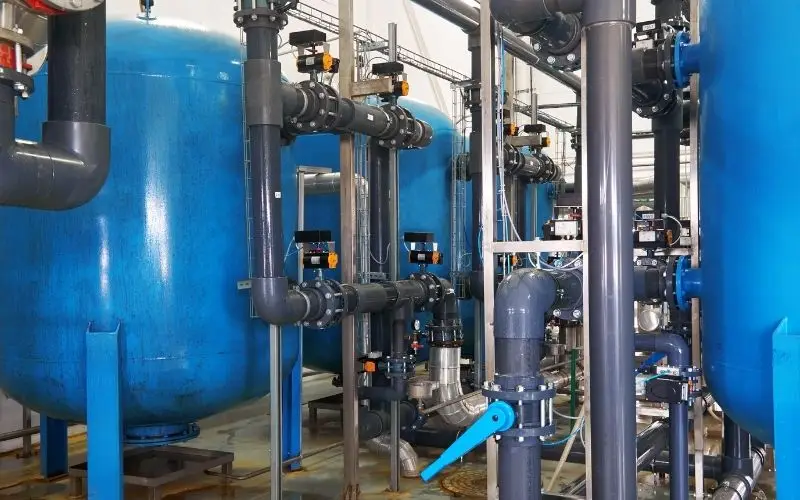
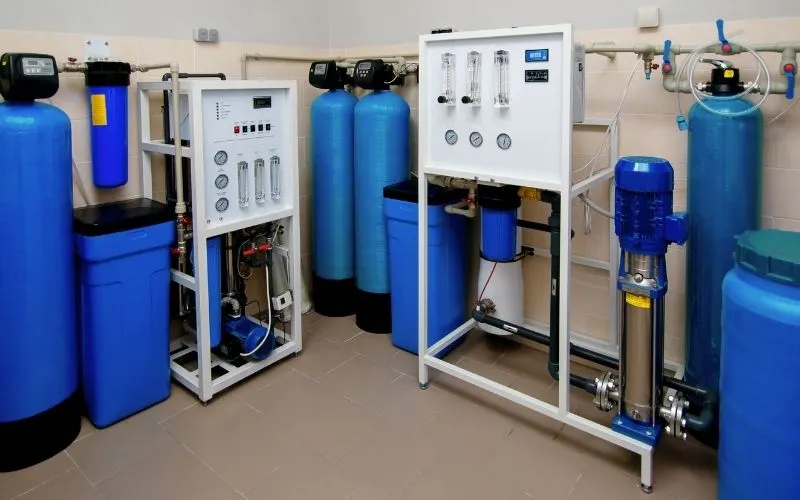
Various types of filtration systems are available in Indonesia, and modern systems commonly used by expats include reverse osmosis systems, UV filtration, carbon filters, and whole-house filtration systems installed at the point of entry to treat all water used in the home.
Depending on the quality of the water entering the system, filters may need to be changed more frequently than standard guidelines suggest.
Some houses and apartments catering to expatriates include built-in water filtration systems. If water quality is a concern, it is often possible to negotiate the installation of a filtration system as part of the lease agreement before signing.
Maintenance is critical, and filters must be replaced regularly to remain effective.
Bottled and Gallon Water
Most expatriates rely on commercially supplied drinking water, typically delivered in large refillable gallon containers of approximately 19 liters. These are used with water dispensers that provide hot and cold water and are standard in most homes.
Delivery services will typically bring several bottles at one time. It quickly becomes evident how much water your household consumes, after which deliveries can be scheduled to match your usage.
If you are living in an apartment building, the concierge or an in-house mini market can often arrange water delivery for you.

Common brands include Aqua, Cleo, Le Minerale, and Club.
Using Water in Daily Life
For practical day-to-day living, most expatriates follow a simple and effective routine.
Drinking water is sourced from bottled, gallon, or properly filtered systems. Cooking is typically done using filtered or gallon water. Many expats use tap water for brushing their teeth, although those with sensitive stomachs may prefer filtered water. Tap water is generally safe for showering and bathing.
Laundry and general household cleaning are also done using tap water without issue.
This practical approach reflects how most long-term expatriates live comfortably in Indonesia.
Installation and Maintenance
Water treatment systems require regular maintenance to function effectively. Filters must be cleaned or replaced according to manufacturer guidelines, as poorly maintained systems can become a source of contamination rather than protection.
If renting a property, it is advisable to confirm what type of system is installed, when it was last serviced, and whether maintenance is the responsibility of the tenant or the landlord.
Environmental Considerations
With the widespread use of bottled and gallon water, plastic waste has become an increasing concern.
Refill stations do exist in some areas; however, when working with a reputable water supplier, the gallon bottles are collected, cleaned, and refilled by the company.
When using a delivery service, pricing may vary depending on whether you return the empty bottle. In most cases, you pay only for the contents when exchanging bottles, while purchasing a new bottle without returning one will incur an additional charge.
Suppliers and Services
There are many local and international suppliers offering water filtration systems and delivery services. Availability varies by city, and recommendations are often best obtained locally or through expat networks.
Any supplier listings should be verified for accuracy before use.
Conclusion
Water treatment is an important aspect of daily life in Indonesia. With the right systems in place, it is easy to ensure a safe and reliable water supply for your household.
Modern solutions make it far more convenient than in the past, and most expatriates quickly establish a routine that works well for their needs.
Frequently Asked Questions
Is tap water safe to drink in Indonesia?
No, tap water is not considered safe to drink directly. It should be filtered, boiled, or replaced with bottled or gallon water.
What is the safest way to drink water in Indonesia?
Most expats use gallon water delivery systems or install reverse osmosis filtration systems.
Can you brush your teeth with tap water in Indonesia?
Many expats do, but those with sensitive stomachs may prefer filtered water.
Is bottled water safe in Indonesia?
Yes, commercially available bottled and gallon water from reputable brands is generally safe.
Do apartments in Indonesia have water filters?
Some do, especially those catering to expatriates, but it is important to confirm maintenance and servicing.