

Introduction
The standard of tap water in Indonesia is generally not considered safe for direct consumption without treatment. Even in major cities such as Jakarta, most residents and expats do not drink tap water without boiling, filtering, or using bottled alternatives.
In recent years, there have been ongoing improvements in piped water systems in some areas, particularly in Jakarta. However, most households still rely on additional treatment methods or bottled water for daily drinking.
Bottled Water
Most expatriates and middle to upper class Indonesians subscribe to bottled water delivery service for drinking water.
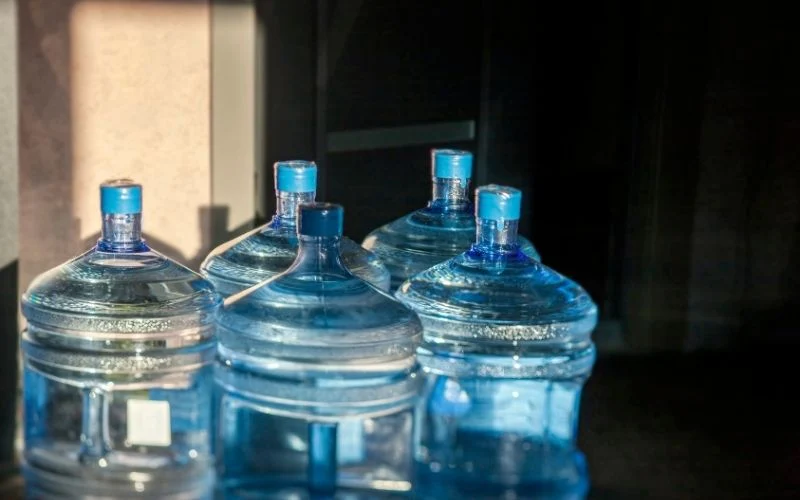
These are generally 19 litre bottles and are delivered to your home on a regular schedule or on demand through phone, WhatsApp, or app-based ordering.
You pay a deposit on the bottles and then exchange the empty bottle for a full one.
The most popular brand is Aqua, but there are many other brands available. Other widely available brands include Club, Vit, Cleo, and Le Minerale. Availability may vary by region.
Hygiene and Handling
Care should be taken to ensure that the seal is intact on the bottle when it is delivered.
Check that the cap seal is unbroken and that the bottle looks clean and free from damage or cloudiness, as reused bottles are part of the standard distribution system.
Often, a sanitizing tissue is delivered with the bottle to wipe and sanitize the bottle neck before placing it into your dispenser. This is an important step, as bottles are typically transported on open trucks and the neck of the bottle is likely to be exposed to dust and dirt.
Ensure that anyone handling the bottles understands the importance of hygiene when changing them, including properly cleaning the bottle neck before installation and avoiding contact with the opening.
ADD (new practical tip):Avoid storing bottled water in your car for extended periods. In Indonesia’s heat, temperatures inside a parked vehicle can become very high, which may affect the quality of the plastic bottle and the taste of the water. It is best to store drinking water in a cool, shaded place.
Water Dispensers
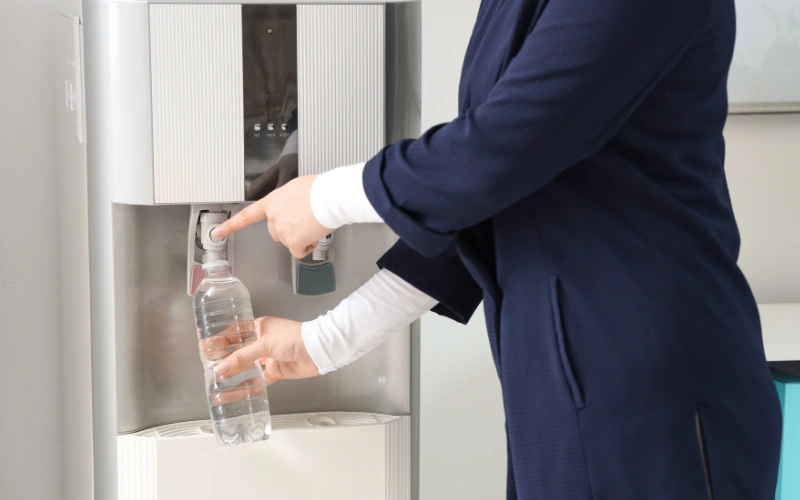
Many homes use water dispensers which can either be electric (hot and cold) or manual.
Regular cleaning of the dispenser is important to prevent bacterial build-up, especially around the nozzle and internal tubing.
If you have been away on holiday for a period of time, it is advisable to flush out the dispenser before using it again, as stagnant water inside the unit may develop contaminants.
Expat Tip: In humid environments such as Indonesia, dispensers that are not cleaned regularly can become a source of contamination.
Refill Stations (Air Isi Ulang)
There are also many refill stations (air isi ulang) where you can refill your bottles at a lower cost. While some refill depots are licensed and monitored, the quality and hygiene standards can vary widely in practice. Caution is advised, particularly if you are unfamiliar with the operator.
If using refill stations, choose outlets that appear clean, well-maintained, and busy, and check whether they display any certification or testing information.

Boiling Water
Boiling water is a method used by some households. To be effective, water should be brought to a rolling boil for at least 1–3 minutes to ensure most harmful microorganisms are destroyed.
Boiling will not remove chemical contaminants, heavy metals, or sediment, so it is often combined with filtration.
Filtration Systems
Some homes install filtration systems.
Depending on the quality of the incoming water, filters may need to be replaced more frequently than recommended by the manufacturer.
The effectiveness of a filtration system depends heavily on proper maintenance and the quality of the source water.
Water Quality in Indonesia
Water quality can vary significantly depending on location and infrastructure. In some areas, contamination may occur not only at the source but also through aging or poorly maintained piping systems. Pipe leaks or improper repairs can introduce contaminants into the water supply before it reaches the home.
In coastal or low-lying areas such as Jakarta, groundwater can also be affected by environmental factors. Contaminated rainwater and a high water table can contribute to reduced water quality in wells or local supply systems.
In rapidly developing coastal areas such as PIK or Ancol, higher salt content in the water can also be an issue. This can lead to faster corrosion of appliances, plumbing fixtures, and metal objects that are regularly exposed to water.
Laboratory Testing
If you are concerned about water quality, you can arrange testing through accredited laboratories in Indonesia. Check that the laboratory is certified and currently operating before proceeding.
Staying Hydrated
Dehydration is common in Indonesia’s tropical climate, particularly for newcomers who are not yet accustomed to the heat and humidity.
It is important to drink sufficient clean water throughout the day, especially when spending time outdoors or adjusting to the climate.
FAQ: Drinking Water in Indonesia
Is tap water safe to drink in Indonesia?
Tap water is generally not considered safe to drink without boiling or filtration. Most expats rely on bottled or treated water.
Is bottled water safe in Indonesia?
Yes, sealed bottled water from reputable brands is widely considered safe. Always check that the seal is intact.
Can I use refill water stations?
Some refill stations are safe, but quality varies. Choose carefully and prioritize hygiene and reputation.
Is boiling water enough?
Boiling kills most microorganisms but does not remove chemicals or heavy metals. Many households combine boiling with filtration.
Do I need a water filter in Indonesia?
Many expats install filters for convenience and added safety, especially in homes using well or piped water.