


Editor’s Note:
Preparing for an international move is always a major undertaking. Along with the excitement of a new assignment, a new culture, and new opportunities come the practical realities of visas, shipping, schools, housing, banking, healthcare, and saying goodbye to friends and family.
For many expatriates, Indonesia becomes one of the most rewarding assignments of their careers. However, successful relocation requires more than simply obtaining a visa and booking a flight. The more preparation you do before arriving, the easier your adjustment will be once you begin life in Indonesia.
Whether you are relocating to Jakarta, Surabaya, Bali, Batam, Balikpapan, Medan, or another Indonesian city, this guide will help you prepare for a successful move and avoid many of the common challenges faced by new arrivals.
Understanding Indonesia Before You Arrive
Before discussing paperwork and shipping arrangements, it is worth taking a moment to understand the country you are moving to.
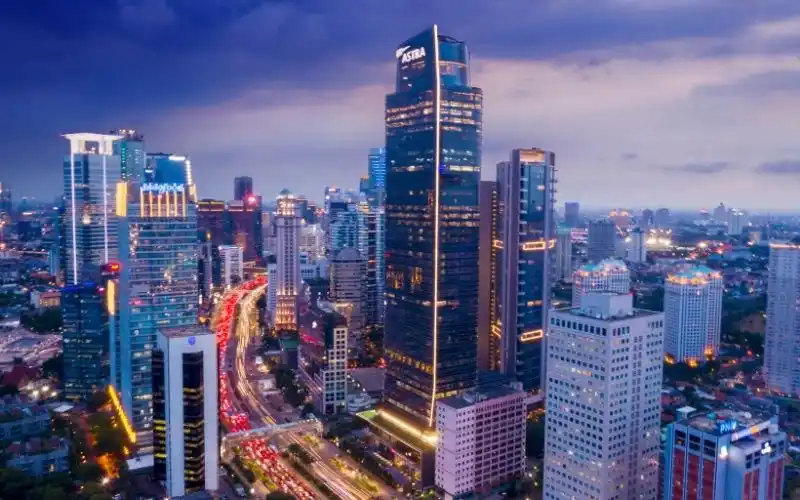
Indonesia is the world’s largest archipelago, stretching thousands of kilometers from west to east and encompassing hundreds of ethnic groups, languages, and local cultures. While Jakarta is a modern international city with luxury shopping centers, international schools, private hospitals, and multinational corporations, daily life can still be very different from what many expatriates are accustomed to.
Indonesia is generally a relationship-oriented society. Building trust often takes precedence over completing a task quickly. Respect for hierarchy remains important in many workplaces, and communication styles are often more indirect than those found in North America, Australia, or Northern Europe. New arrivals who understand these differences before they arrive generally experience a smoother adjustment both professionally and personally.
One of the most valuable preparations you can make is to arrive with realistic expectations and a willingness to learn. The expatriates who enjoy Indonesia the most are usually those who embrace the experience rather than constantly comparing everything to home.
Consider a Familiarization Visit
If your employer is willing to support it, a familiarization trip before your relocation can be invaluable. Spending several days exploring your future city can answer many questions that are difficult to resolve from overseas.
A visit allows you to explore neighborhoods, view potential housing, visit schools, assess commuting times, meet relocation consultants, and gain a better understanding of what daily life will actually look like. It can also significantly reduce anxiety for accompanying spouses and children who may be uncertain about the move.
Many experienced expatriates consider a familiarization visit one of the best investments they made before relocating to Indonesia.
Create a Relocation Timeline
One of the biggest mistakes families make is underestimating how many tasks need to be completed before departure. International relocations involve immigration paperwork, financial planning, school enrollment, medical preparation, shipping arrangements, insurance reviews, and often the sale or rental of property back home.
Creating a timeline several months before departure helps prevent last-minute stress. Some tasks, such as obtaining visas, enrolling children in international schools, or arranging international shipments, may take considerably longer than expected.
A written checklist can help ensure that important details are not forgotten during what is often a very busy period.
Ensure Your Immigration Documents Are in Order
Immigration preparation should begin as early as possible. Depending on your nationality, employer, and type of assignment, obtaining the necessary approvals can take several weeks or even months.
Ensure that all family members have passports that will remain valid for the duration of the assignment. While it is possible to renew passports during an overseas posting, doing so often creates additional administrative work and can complicate immigration procedures.
Most expatriates relocating for employment will have their immigration process managed by their employer or relocation provider. Even so, it is important to understand the basic process and maintain copies of all important documents including passports, visa approvals, marriage certificates, birth certificates, and employment contracts.
One common mistake is assuming that a business visa permits employment. Business visas and work-related stay permits serve different purposes, and expatriates should ensure they enter Indonesia using the correct immigration status for their intended activities.
Preparing Your Family for the Move
While most employees focus on their new role, experienced relocation professionals know that family adjustment is often the determining factor in the success or failure of an assignment.
Children may be leaving schools, sports teams, and friendship groups. Spouses may be leaving careers, social networks, and familiar routines. These changes should not be underestimated.
Discuss the move openly as a family. Encourage children to learn about Indonesia before arriving. Watch videos, explore maps, try Indonesian food, and discuss what life might be like. The more familiar Indonesia becomes before arrival, the easier the transition is likely to be.
Many families also find it helpful to discuss culture shock before relocating. Almost every expatriate experiences periods of frustration, homesickness, or adjustment difficulties. Understanding that these feelings are normal can make them easier to manage.
Understanding Housing in Jakarta
Housing is one of the most important decisions you will make during your relocation. The location of your home will affect your commute, social life, access to schools, and overall quality of life.
Families often gravitate toward established expatriate neighborhoods such as Kemang, Cipete, Cilandak, and Pondok Indah. These areas offer easy access to international schools, restaurants, shopping facilities, and recreational activities. Single professionals and couples increasingly choose apartments in business districts such as Sudirman, Kuningan, Senayan, and SCBD, where shorter commuting times are often a major advantage.
Many newcomers are surprised to discover that Indonesian residential leases commonly require one year’s rent to be paid in advance. Security deposits are also standard. Lease agreements should clearly define maintenance responsibilities, included appliances, utility arrangements, and procedures for terminating the lease.
When selecting housing, it is wise to prioritize commuting time as highly as the size of the property. A larger home often loses its appeal if several hours each day are spent sitting in traffic.
Choosing the Right School
For families with children, schooling often becomes the single most important decision of the relocation process.
Jakarta offers a wide variety of international schools with International Baccalaureate, British, American, Australian, and other curricula. Most schools provide excellent facilities and extracurricular opportunities, but each has its own culture, educational philosophy, class size, calendar, and approach to student support.
Parents should begin their school search early. Popular year levels may have waiting lists, and enrollment requirements can include transcripts, recommendations, interviews, and placement assessments.
One factor that is often overlooked is the school calendar. Families relocating from the Southern Hemisphere, particularly from Australia, New Zealand, and South Africa, may discover that the academic year in Indonesia does not align neatly with the school year their children are currently following. Many international schools in Jakarta follow either a Northern Hemisphere calendar, beginning in August or September and ending in June, or a Southern Hemisphere calendar, beginning in January and ending in November or December. Depending on when the relocation occurs, a child may find themselves repeating part of a school year, missing part of a curriculum, or facing a choice between schools that use different academic calendars.
For this reason, families should consider not only the curriculum being offered, but also the timing of their move and how it will affect their child’s educational progression. In some cases, the school calendar may become one of the most important factors in determining which school is the best fit for the family.
It is also important to remember that bigger is not always better. Some of Jakarta’s larger international schools offer impressive facilities, extensive extracurricular programs, and a wide range of academic options. These can be excellent choices for many students. However, some children do better in a smaller school environment where class sizes may be smaller and teachers are able to give more individual attention. A child who thrives with closer teacher support, more personal encouragement, or a quieter learning environment may adjust more successfully in a smaller school than in a large campus with many students.

When evaluating schools, parents should look beyond the reputation of the school and ask what type of environment best suits their child. Academic quality is important, but so are class size, teacher accessibility, pastoral care, language support, extracurricular opportunities, commuting times, and compatibility with future university plans. Whenever possible, families should visit prospective schools during a familiarization trip and speak with admissions staff about how previous expatriate students have transitioned into the program.
Financial Planning and Banking
Before leaving your home country, it is wise to consult your accountant or financial advisor regarding tax obligations, investments, pension arrangements, and international banking requirements.
Many expatriates choose to maintain banking relationships in both countries. Having access to accounts in your home country can simplify mortgage payments, investments, insurance premiums, and other financial commitments that continue during the assignment.
Indonesia’s banking system has become increasingly modern, and digital payments are now widely accepted. Most expatriates quickly become accustomed to using mobile banking applications, QR payment systems, online shopping platforms, and ride-hailing services for daily transactions.
Healthcare and Medical Preparation
Healthcare standards in Indonesia, particularly in Jakarta, have improved dramatically over the past two decades. Many private hospitals provide high-quality care with English-speaking medical staff and modern facilities.
Before departure, obtain copies of important medical records for all family members. Vaccination records, prescription information, specialist reports, allergy information, and blood type records may all prove useful during your assignment.
If any family member requires ongoing medication, it is sensible to bring an initial supply until local availability can be confirmed. While many international medications are available in Indonesia, brand names and formulations may differ from those in your home country.
Deciding What to Ship
Preparing household goods for an international move is often one of the most time-consuming aspects of relocation.
Fortunately, many products that were difficult to find in Indonesia twenty years ago are now widely available. Modern shopping centers, furniture retailers, electronics stores, and specialty supermarkets stock a wide range of local and imported products.
As a result, many expatriates find that they can relocate comfortably with fewer belongings than they originally anticipated.
Personal keepsakes, family photographs, favorite books, specialty hobby equipment, and difficult-to-find clothing sizes are often worth bringing. Valuable heirlooms, irreplaceable collectibles, and expensive jewelry are generally best left at home or stored securely.
A detailed inventory should be prepared before shipping, and comprehensive insurance coverage is strongly recommended.
Domestic Staff and Daily Life
One aspect of Indonesian life that surprises many expatriates is the affordability of domestic assistance.
Depending on your housing arrangement and family needs, it may be possible to employ a housekeeper, nanny, driver, gardener, or other household staff. For many expatriate families, this support significantly reduces the stress associated with relocation and allows more time to focus on work and family activities.
At the same time, managing household staff requires clear communication, realistic expectations, and an understanding of local employment practices. Building respectful working relationships is essential for long-term success.
Transportation and Commuting
Traffic remains one of Jakarta’s most frequently discussed challenges. While transportation infrastructure has improved considerably with the introduction of MRT and LRT systems, commuting remains an important factor when choosing housing.
Many expatriates continue to employ drivers, particularly families with children attending international schools. Others prefer to use ride-hailing services such as Gojek and Grab, which have transformed transportation throughout Indonesia.
When evaluating housing options, it is highly recommended to conduct commute tests during peak traffic periods. This simple exercise often prevents costly housing decisions that may later affect quality of life.
Maintaining Connections Back Home
In previous generations, expatriate families often experienced long periods of limited communication with relatives and friends. Today, technology has transformed international living.
Video calls, messaging applications, social media platforms, and online collaboration tools allow families to maintain close relationships regardless of distance. Before departing, take time to ensure that important family members understand how to stay connected and establish regular communication routines.
What Does It Cost to Live in Indonesia?
The answer to this question depends largely on lifestyle choices.
An expatriate family living in a large house, employing domestic staff, purchasing imported food, and sending children to international schools will have very different expenses from a single professional living in an apartment and embracing a more local lifestyle.
Housing and international school fees are often the largest components of an expatriate budget. At the same time, many daily expenses such as dining out, transportation, domestic assistance, and personal services are significantly more affordable than in many Western countries.
For many expatriates, Indonesia offers an excellent balance between affordability and quality of life, particularly when supported by a well-structured relocation package.
Learning Basic Bahasa Indonesia Before You Arrive
One of the simplest ways to make your transition to Indonesia easier is to begin learning some basic Bahasa Indonesia before you arrive. While many Indonesians working in multinational companies, international schools, hotels, and the tourism industry speak English, day-to-day life often becomes much easier when expatriates make an effort to learn at least a few common words and phrases.
A basic understanding of Bahasa Indonesia can help when speaking with household staff, drivers, security guards, shop assistants, market vendors, and government officials. Even a limited vocabulary can make everyday tasks less stressful and help newcomers feel more confident during their first few months in the country.
Perhaps more importantly, making an effort to speak Bahasa Indonesia is often viewed positively by Indonesians. People generally appreciate foreigners who take the time to learn their language, and even simple greetings can help build rapport and create warmer interactions. Many expatriates find that learning Bahasa Indonesia opens doors to friendships and experiences that might otherwise be missed.
The good news is that Bahasa Indonesia is often considered one of the easier Asian languages for English speakers to learn. It uses the Roman alphabet, pronunciation is generally straightforward, and basic conversational skills can be acquired relatively quickly. Whether through online courses, language apps, private tutors, or formal language classes, investing some time in learning the language before arrival will almost certainly make your adjustment to life in Indonesia smoother and more enjoyable.
Final Thoughts
Moving to Indonesia is much more than a logistical exercise. It is the beginning of a significant personal and professional adventure.
The most successful expatriates are rarely those who arrive expecting Indonesia to operate exactly like their home country. Rather, they are the individuals and families who arrive prepared, remain flexible, and embrace the opportunity to learn from a new culture.
With proper planning, realistic expectations, and an open mind, your move to Jakarta and Indonesia can become one of the most rewarding experiences of your life