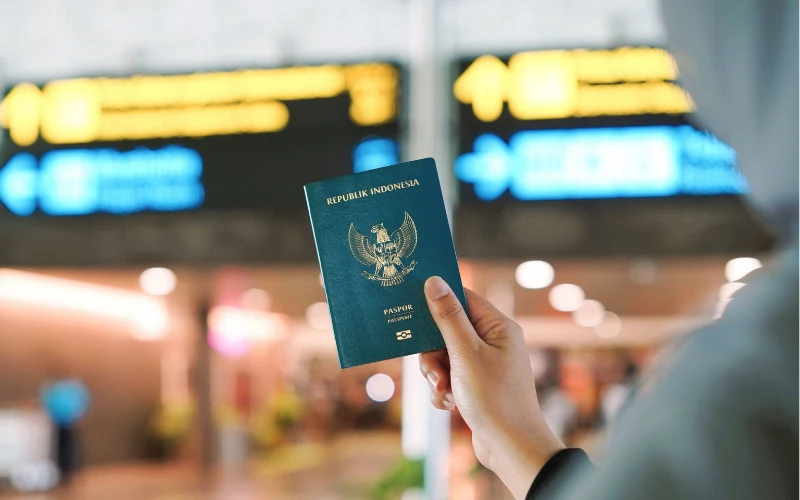


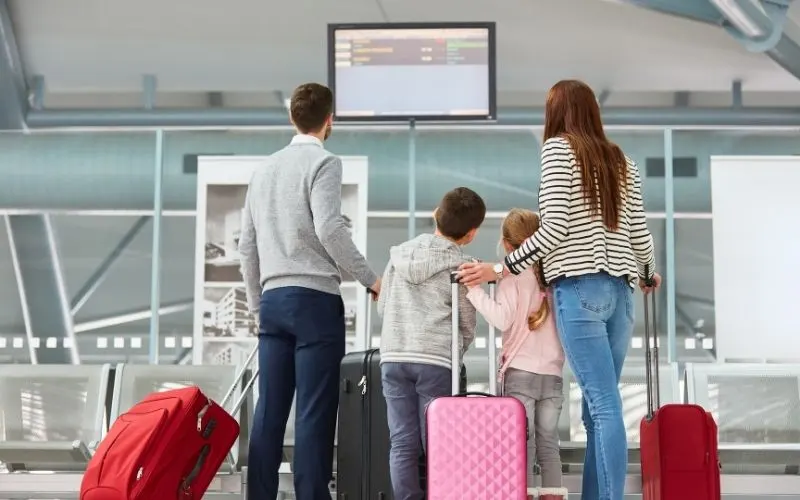
For many long-time Indonesia residents, a trip abroad — whether for home leave, a holiday, or a permanent return — throws the contrasts of expat life into sharp relief. It is a chance to step back and reflect on how much your perspective has quietly shifted since you first arrived.
Expatriate executives and their families expend a large amount of time and effort adapting to life in Indonesia. For the executive, this usually means adapting to the new job while learning the new communication skills and management techniques to be an effective manager in the Indonesian business context. On the family front, an effort is needed to get children settled into school life, find which stores carry their favourite foods — or which apps will deliver them — and start building a new social network. As the weeks turn into months in this new posting, memories of life in the home country may seem to fade. Homesickness may get easier to bear and, with luck, the expatriate family assimilates into the Indonesian culture and takes advantage of the many benefits of living in Indonesia.
We strongly encourage this assimilation. To function as an effective part of the corporate office or as an effective family unit, expatriates should understand both the broad outlines of the culture in which they live and the nuances involved in inter-personal contact.
However, this assimilation does raise issues concerning a return to the home country. The two main aspects involve a permanent return and the type of home leave that punctuates most overseas postings.
A permanent return to the home country is a complex topic that usually involves many of the same issues that one faced moving overseas in the first place. The primary issues are usually reintegration into the home office corporate structure and a reorganization and rebuilding of the prior social network. This experience — often called reverse culture shock or re-entry shock — is more common than most people expect, and frequently more unsettling than the original move abroad.
However, going on home leave should not produce such extreme situations. After all, you are supposed to be on vacation, visiting family and friends, or traveling to new and interesting places.
There are, however, a couple of areas that can be difficult for families on leave. One of the basic ones is “Where’s home?”. The prior family home is often sold or rented. Families may stay with friends and relatives, or in hotels and apartments, for a number of weeks. Even though you are “home”, you may still feel like a visitor.
If you have been in Indonesia for a year or longer, you can be sure that your perspective on events has changed to a large extent. The issues that concern you on a daily basis here are probably not going to be of enduring interest to your friends and family back home.
One of the oft-told traveler’s tales is about having dinner with old friends. While they may appear interested in all of the new things that you have seen and experienced in the last few months, they really cannot relate to them. After a courteous period of attention, many expatriates report that friends appear to become bored with the conversation.
This often goes both ways. Your friends’ heated discussion about why the municipal recycling trucks are not coming on schedule and what they are going to do about it, may no longer strike you with the importance that it might have before you lived in Indonesia.
You and your family may not understand what should be popular references to sports, television and movies, music, and current domestic news items. Family and friends may have heard something about political or social developments here, but you may still find yourself patiently explaining the basics — that Indonesia is the world’s largest Muslim-majority democracy, that it is not a conflict zone, and that the foreign press often reduces a nation of 280 million people to a single headline.
There are several steps that a family can take to mitigate most reverse culture shock experienced during a visit to the home country. First and foremost, use the same approach that you used before your move to Indonesia originally: planning and knowledge. Many people may think that little planning is needed; they are going home after all. However, the more organisation and thought put into the planning stage, the easier the transition will be.
Today, most expat families stay remarkably well connected to home — streaming the same television series, following the same sports, staying in touch via video calls, and tracking the news in real time. It can feel as though nothing should come as a surprise. But culture is more than content. There are a thousand small social cues, shared references, and unspoken assumptions that no amount of screen time fully replicates, and these are the things that tend to catch you off guard when you actually step off the plane.

Be sure to explain to the children what challenges they may face when back home. Make lists of movies to see and books to buy — but go beyond the practical. Children who have spent formative years abroad, sometimes called Third Culture Kids, often find re-entry harder than their parents expect. Their peer group at home has moved on, their cultural references have diverged, and they may feel caught between two worlds. Acknowledging this openly before the trip — rather than assuming it will sort itself out — makes a considerable difference.
If there is no family home to return to, make sure that you arrange for some sort of safe haven, be it a hotel or rented apartment, to give the family someplace alone where they can escape from the more hectic pace of the West. Once again, being a “guest” in a relative’s or friend’s home can become very stressful after a couple of weeks.
Bring photos — a curated album on your phone or tablet, or even a printed photo book — of the family’s experiences while overseas. Most friends and family will engage far more readily with visual prompts than with stories told from memory.
Finally, don’t force people to listen to you if they do not appear interested. Many Westerners, Americans and Australians in particular, do not understand or have little interest in foreign affairs. Remember that living overseas is your family’s personal experience and is supposed to enrich your lives, not other people’s lives.
Adaptation to culture is a slow creeping process. It tends to work its way into one’s outlook without the person even realizing it. During even a few weeks overseas, families can begin to readapt to the home country. Spouses, children and maybe even the executive normally have mixed feelings about returning to Indonesia for another several month stint.
After a trip back home, it always takes me a few days to re-adapt to living in Indonesia. During those days, the city seems dirtier, the roadside more squalid, and the humidity higher than I remembered. However, once I get back to work and reestablish my routine, it begins again to feel like home once again.
Getting Support for Repatriation
For families facing a permanent return, or those finding the adjustment harder than expected, professional repatriation support is widely available. Many multinational employers include repatriation coaching as part of their relocation packages — it is worth asking your HR department before you leave. Independent cross-cultural coaches and counsellors who specialise in expat transitions can also be found through the site’s Cross Cultural Understanding section.
This article was generously contributed by George B. Whitfield, III when he was a Technical Advisor with Executive Orientation Services. It has been updated by the editorial team at Living in Indonesia to reflect the realities of modern expat life.
Frequently Asked Questions
What is reverse culture shock?
Reverse culture shock — sometimes called re-entry shock — is the disorientation and emotional difficulty that people experience when they return to their home country after living abroad for an extended period. It can be as challenging as the original adjustment to a new country, and often catches people off guard precisely because they expect going home to feel easy.
How long does reverse culture shock last?
It varies considerably from person to person. For a short home leave, most people readjust within a few days to a couple of weeks. After a permanent repatriation following several years abroad, the adjustment can take months. Children, particularly those who have spent formative years overseas, sometimes find it takes longer.
Is reverse culture shock common for expats returning from Indonesia?
Very. Indonesia is a country with a markedly different pace, social structure, and daily texture from most Western countries. Expats who have genuinely immersed themselves in Indonesian life — rather than living entirely within the expat bubble — typically find the contrast most pronounced when they return home.
How can I help my children cope with returning home after living in Indonesia?
Prepare them in advance rather than assuming the transition will be seamless. Acknowledge that their peer group at home has moved on without them and that this is normal. Give them time to readjust socially without pressure. Schools in many Western countries now have some awareness of Third Culture Kids — it is worth speaking to the school before the children start back.
Does my company have to provide repatriation support?
Many multinational employers include repatriation assistance in their expatriate packages, but the scope varies widely. It is worth requesting this specifically from your HR or global mobility team well in advance of your return date, as support tends to be more effective when it begins before the move rather than after.