

Editor’s Note:
This article was originally contributed by George B. Whitfield, III. It has been lightly updated to reflect modern business practices and expat life in Indonesia, while preserving the original insights and experiences of the author.
Ramadan, the fasting month, is an event of great importance to the Indonesian and the world’s Muslim community. Being one of the five pillars of Islam, observance of the fasting month is the priority in the devout Muslim’s life during this month. Fasting involves a change in the daily routine of the Muslim faithful and represents an expression of their deep belief in God.
Many Indonesians look forward to Ramadan as an opportunity to test and develop their inner, spiritual selves. The fasting regimen is rigorous. No eating, drinking or smoking is allowed from the first prayer in the morning until the opening of the fast in the evening. Prayer times change daily based on sunrise and sunset, and Ramadan shifts approximately 10–11 days earlier each year in the Gregorian calendar. Before the morning prayer (Subuh), families wake early for a pre-dawn meal (sahur). The fast is then broken at sunset (Magrib), a moment known as Buka Puasa.
Business people sometimes observe changes in work patterns during Ramadan, as employees adjust to altered sleep and meal schedules. In many companies today, especially multinational firms, working hours are officially reduced and expectations are adjusted. Productivity is generally maintained, but schedules may shift, and energy levels can vary throughout the day. Lunch meetings are rarely scheduled, and response times may be slower, particularly in government offices or during late afternoon hours approaching the breaking of the fast. An important question for foreign professionals in Indonesia is: What is the proper behavior and attitude toward this widespread religious observance?
I spoke with Bapak Sumartono Sumarsidik and we discussed the best attitude for foreign professionals to take towards Ramadan and its effect on business. Pak Martono is one of the most astute observers of Western Indonesian relationships that I have encountered. He is, as you may be able to tell from his name, from Java, and has worked in cross-cultural work situations for all of his long and distinguished career.
Indonesians are not supposed to use the month of Ramadan as an excuse to avoid work responsibilities. The importance of this fasting month is to develop the inner self. The execution of normal work responsibilities should not be affected, noted Pak Martono. While this principle still holds true, many organizations today formally adjust working hours and expectations during Ramadan. It is true that in Indonesia, business is not affected as severely as it may be in other countries. Restaurants may operate with limited daytime visibility or adjusted hours, particularly in more conservative areas, while in major cities like Jakarta, many establishments remain open but more discreet during fasting hours. Indonesians don’t usually impose their fasting on non-Muslims. Foreign businessmen should be able to continue on as they normally would. However, a polite, tolerant respect for those who are fasting is always appreciated.
Foreign professionals should realize that they are essentially guests in a predominantly Muslim country. The majority of the Indonesians that they work with will be fasting. The most important thing is not to show intolerance or disrespect to the concept of the fasting month. Food and drink will probably not be set out in the office. At meetings, refreshments may not be served. In many modern offices, companies will designate specific areas where non-fasting staff can eat and drink privately. A foreigner should try to be discreet in the consumption of food and drink. If possible, keep your tea and coffee in your office and avoid bringing it into meetings. Feel free to go out to lunch as normal, but don’t invite a fasting Muslim to join you. Try to be observant of those around you.
Realistically, because of the change in the schedules of people’s lives, there is an effect on business. Although it shouldn’t be used as an excuse to reduce activity, employees are often tired because of disruptions in their normal patterns of eating and sleeping. This can result in a noticeable dip in energy levels at certain times of the day. One must never say: Why don’t you just eat something, then? or make comparisons to the type of fasting found in other religions. This is a serious, religious undertaking and the foreign professional needs to be tolerant and respectful of this fact.
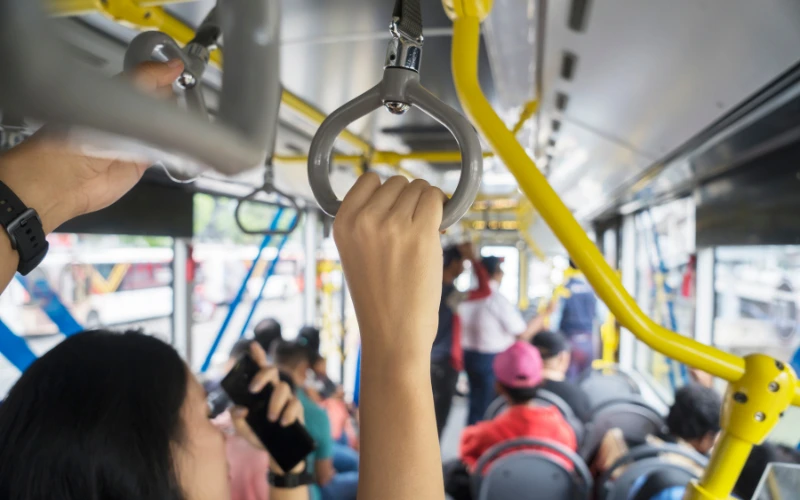
For devout Muslims in Indonesia, the month of Ramadan is a time to face sacrifice, but along with that sacrifice comes a sense of fulfillment. During the fasting month, Muslims abstain from eating, drinking, and smoking from Subuh (pre-dawn prayer) until Magrib (sunset prayer), with exact times varying daily. Because the fast ends at sunset, Indonesians can look forward to an evening of food, drink and socializing. There are additional prayers and sermons in the mosques and a general upbeat atmosphere prevails. In major cities, the hours just before breaking the fast can see increased traffic congestion, as people travel home or to social gatherings. Expats should plan travel accordingly.
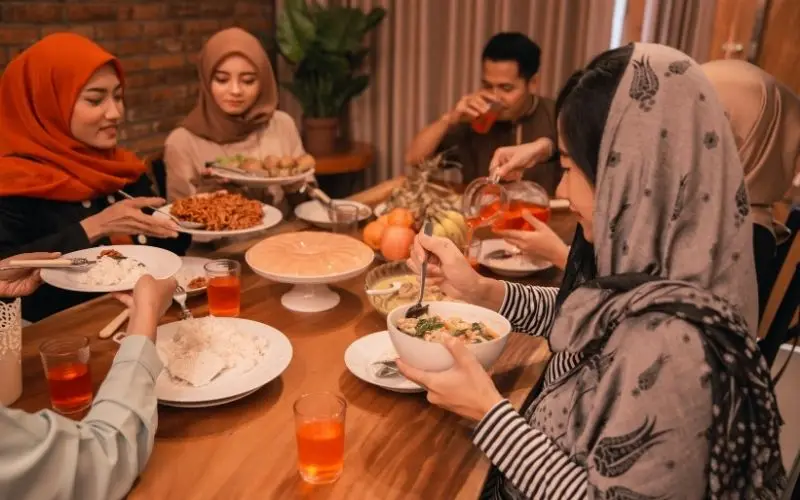
I would like to address the social obligations imposed on the devout Muslim and foreign professional alike. For many reasons, Buka Puasa, or the breaking of the fast, is both a social and business event. There is a shift in emphasis that occurs during this month. Lunch meetings are replaced by invitations to break the fast, which become the main social event of the day. For some, it simply means that the family is together and celebrating their devotion. On another level, much business is conducted and many relationships are reaffirmed through these gatherings.

Many organizations have events scheduled for the breaking of the fast. Some mosques, such as Istiqlal Mosque and Al-Azhar Mosque in Jakarta, host large community events during Ramadan. Similarly, most businesses or government offices will organize special events for employees, colleagues and clients. It is not unusual for a company or office to extend an invitation to a Western colleague, and perhaps their family, to attend one or more of these celebrations.
Knowing that such events are a good time to bridge the gap between Indonesian and Western culture, I asked my good friend and advisor Pak Martono about the proper response toward such an invitation. He noted, If you receive an invitation to a Buka Puasa event, treat it as a sign of respect and acceptance. You must be careful in agreeing to or refusing such an invitation. Either response will have meaning to the person who extended the invitation.
If you or your family accept an invitation to a Buka Puasa, there are several things that you should observe and be aware of. Primarily, treat it as the honor that it is and not as an informal gathering. You may encounter either traditional floor seating or more modern dining arrangements, depending on the setting. There are generally two types of settings that you can expect, either a ceremony at an office or a gathering at a mosque.
After the breaking of the fast with a sweet drink and a small snack, those invited may join in group prayer. Unless you are Muslim, you will not be expected to participate in the communal prayer session in the mosque or musholla. If this is the case, it is best for a foreigner to stand or sit quietly at the back, maintaining a respectful attitude. Should you be invited to the main prayer area, simply follow the lead of your host. Indonesia is a religiously observant society, and expressions of faith are widely respected.
Food will not be served in the main prayer area, so everyone will move to another area for dinner. Whether or not you were uncomfortable during the prayers, this is the time to relax. The breaking of the fast is a time of fellowship. Remember the cultural rules regarding respect, face and status, but also take the opportunity to enjoy the experience. You would not be invited unless you had a relationship with someone present. If things seem unusual or even uncomfortable, keep in mind that this is one of the most important periods in the Indonesian calendar. By your actions, you have earned enough respect to be included. This is an honor not to be taken lightly.
Frequently Asked Questions About Ramadan in Indonesia
Can expats eat and drink during Ramadan in Indonesia?
Yes, non-Muslims are not required to fast. However, it is considered polite to be discreet when eating or drinking in public during fasting hours, especially in offices or more conservative areas.
Do businesses close during Ramadan in Indonesia?
Most businesses remain open, but working hours are often shortened and productivity patterns may shift. Government offices in particular may operate on reduced schedules.
What is Buka Puasa and should expats attend?
Buka Puasa is the breaking of the fast at sunset. If invited, it is considered a sign of respect and inclusion, and attending is highly recommended.
Is it a good time to do business during Ramadan?
Yes, but expectations should be adjusted. Relationship-building and social engagements often become more important than strict timelines during this period.
Does Ramadan affect traffic in Indonesia?
Yes, traffic often becomes heavier in the late afternoon as people travel home or to gatherings before breaking the fast.