

Introduction
Foreign exchange trading, commonly known as forex trading, is the buying and selling of currencies in the global marketplace. It is one of the largest financial markets in the world, with trillions of dollars traded daily.
While forex trading is often promoted as a way to generate income, it is important to understand both how it works and the risks involved, particularly for expatriates living in Indonesia where regulations and access to platforms may differ from your home country.
What is Forex Trading?
Forex trading involves exchanging one currency for another with the expectation that the value will change. Traders aim to profit from fluctuations in exchange rates between currency pairs such as USD/IDR, EUR/USD, or GBP/USD.
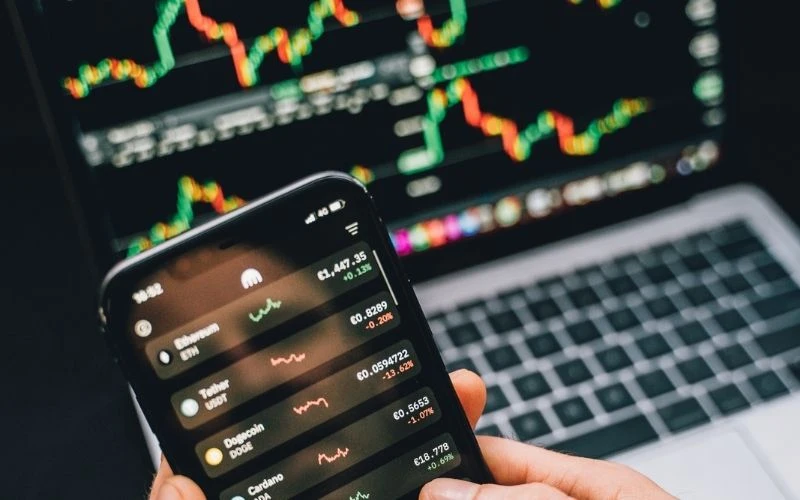
Today, most forex trading is done through online platforms and mobile applications, allowing individuals to trade from anywhere, including Indonesia. This accessibility has significantly increased participation, but also increased exposure to unregulated brokers and misleading investment schemes.
How the Forex Market Works
Currencies are traded in pairs, meaning you are simultaneously buying one currency while selling another. The value of a currency pair is influenced by economic factors, interest rates, political stability, and global events.
The forex market operates 24 hours a day during weekdays, across major financial centers such as London, New York, Tokyo, and Sydney. This continuous market is one of the reasons forex trading is attractive, but it also requires discipline and an understanding of global economic trends.
Understanding Currency Pairs
Currencies are quoted in pairs, such as EUR/USD or USD/IDR. The first currency is known as the base currency, and the second is the quote currency.
For expatriates in Indonesia, USD/IDR is a commonly observed pair, particularly when transferring funds, receiving salaries, or managing international finances. Even if you are not actively trading, you are likely already affected by currency fluctuations in your daily life.
Leverage and Risk
Forex trading often involves leverage, which allows traders to control a larger position with a smaller amount of capital.
While leverage can increase potential profits, it also significantly increases the risk of losses. In fact, many retail traders lose money when trading forex due to high leverage and market volatility.
Forex trading requires knowledge, discipline, and risk management. It is not a quick or guaranteed way to earn income, and should be approached with caution.
Forex Trading in Indonesia
Forex trading in Indonesia is regulated by BAPPEBTI (Badan Pengawas Perdagangan Berjangka Komoditi), the government agency responsible for overseeing commodity and futures trading.
Not all international forex brokers are licensed to operate in Indonesia. This means that some platforms may not be legally compliant, and investor protection may be limited when using offshore brokers.

Expats should be cautious when approached with investment opportunities that promise guaranteed returns. These types of offers are common in many markets, including Indonesia, and often carry significant risk.
Practical Considerations for Expats
For expatriates living in Indonesia, forex trading intersects with everyday financial realities.
Currency fluctuations may impact your salary, savings, and remittances, especially if you are earning in one currency and spending in another. Transferring money between countries already exposes you to exchange rate changes, even without active trading.
Before engaging in forex trading, it is advisable to understand both Indonesian regulations and your home country’s tax requirements, as obligations may differ depending on your residency status.
Common Risks and Scams
In Indonesia, as in many countries, forex trading is sometimes used as a cover for fraudulent schemes.
Be cautious of:
- Guaranteed profit claims
- High-pressure sales tactics
- Managed accounts with unrealistic returns
- Social media trading groups promoting quick wealth
If something sounds too good to be true, it usually is.
Conclusion of Forex Trading
Forex trading can be an interesting and potentially profitable activity for those who take the time to understand how it works.
However, it carries significant risk and should be approached with careful research and realistic expectations. For most expatriates, understanding currency exchange and financial planning is often more relevant than active trading.
Frequently Asked Questions Forex Trading
Is forex trading legal in Indonesia?
Yes, forex trading is legal but regulated by BAPPEBTI. Traders should ensure they are using licensed and compliant platforms.
Can expats trade forex in Indonesia?
Yes, expats can trade forex, but they should be aware of local regulations, platform restrictions, and tax implications.
Is forex trading risky?
Yes. Forex trading carries a high level of risk, especially when leverage is used. Many retail traders lose money.
What is the safest way to exchange money in Indonesia?
For most expats, using reputable banks or licensed money changing services is the safest way to exchange currency.