


Understanding cultural traditions is an important part of working successfully in Indonesia. One tradition that many expatriates encounter, particularly in Java, is the selamatan (also known as slametan), a communal gathering and meal held to mark important events, express gratitude, seek blessings, or reinforce harmony within a community.
Anthropologists have long used cultural models to help explain how different societies view relationships, time, authority, and the role of individuals within a group. While every individual is unique, cultural values often influence how people approach life, work, and social relationships.
One area where Indonesian and many Western cultures have traditionally differed is in the way people view the relationship between humans, nature, and external forces. Western business cultures often emphasize planning, analysis, and control over circumstances. In contrast, many Indonesians place a strong value on maintaining harmony—whether with family, community, nature, or spiritual beliefs.
For example, a Western agricultural expert might explain a successful harvest primarily through factors such as weather, fertilizer, irrigation, and farming techniques. A traditional Javanese farmer may acknowledge these factors while also believing that maintaining harmony through customs, traditions, and prayers contributes to success. Neither perspective necessarily excludes the other; rather, they reflect different cultural lenses.
These differing viewpoints can occasionally surface in the workplace. Western managers often seek direct, measurable causes for business challenges, while some Indonesians may also consider broader factors such as timing, relationships, destiny, blessings, or social harmony. Understanding these perspectives can help expatriates interpret situations more accurately and avoid misunderstandings.
What is a Selamatan?
A selamatan is a communal gathering, usually centered around shared food and prayers, intended to promote harmony, express gratitude, seek protection, or mark an important occasion.
Selamatan ceremonies may be held for many reasons, including:
- Moving into a new home
- Opening a new office or business
- Recovering from an illness
- Celebrating a birth
- Marking a wedding
- Commemorating a death
- Beginning a major project
- Purchasing a significant asset such as a vehicle
- Reaching an important milestone
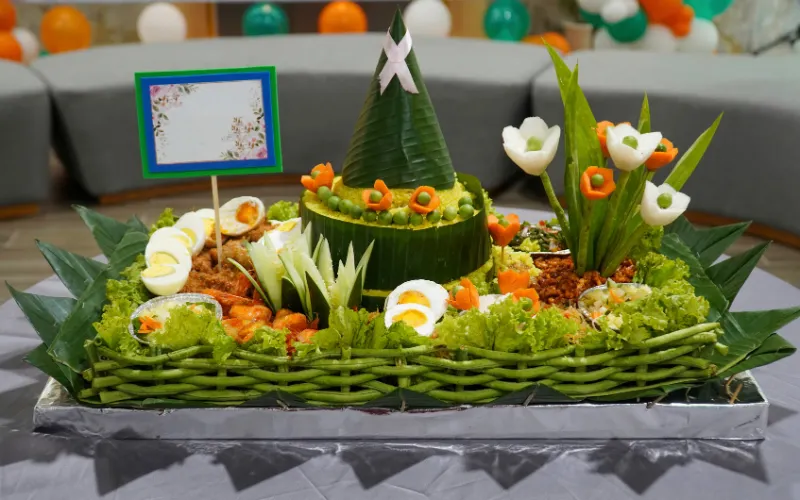
In many cases, the gathering includes prayers, brief speeches, and a shared meal. One traditional feature is nasi tumpeng, a cone-shaped rice dish often served during celebrations and ceremonies.
While some traditional ceremonies in rural areas may include additional rituals, most selamatan events encountered by expatriates today are relatively simple gatherings involving prayers, food, and fellowship.
Selamatan in the Workplace
Selamatan ceremonies are still occasionally held in Indonesian workplaces, although they are generally less elaborate than in previous generations.

Companies may organize a selamatan when:
- Opening a new office
- Moving to a new location
- Launching a major project
- Celebrating a company anniversary
- Recognizing a significant achievement
- Seeking blessings before an important undertaking
In some organizations, employees may also suggest holding a gathering after a difficult period or a series of challenges. The purpose is often less about solving a specific problem and more about strengthening unity, morale, and a sense of shared purpose.
For foreign managers, understanding the symbolic value of these events is important. Participation demonstrates respect for local customs and recognition of the importance Indonesians often place on community and relationships.
Participating as an Expatriate
If invited to a selamatan, expatriates are encouraged to attend if possible. Participation does not require adopting beliefs that differ from one’s own. Rather, attendance is generally viewed as a gesture of respect toward colleagues, neighbors, or community members.
Most modern selamatan gatherings are informal and welcoming. Guests may simply join in listening to prayers, sharing a meal, and socializing with other participants.
The event often serves an important social function by reinforcing group cohesion and demonstrating mutual support among members of a community or workplace.
Selamatan in Modern Indonesia
Indonesia today is highly urbanized and increasingly modern, yet traditions such as selamatan remain surprisingly resilient. While younger generations may conduct simpler ceremonies than their parents or grandparents, many Indonesians continue to value rituals that bring people together and acknowledge important life events.
It is not uncommon to see a blessing ceremony for a new office, a newly purchased vehicle, a business launch, or a family home. The specific form may vary according to local culture, religion, and personal preference, but the underlying purpose remains the same: expressing gratitude, seeking blessings, and strengthening social bonds.
For expatriates, understanding the significance of selamatan offers valuable insight into one of the enduring cultural values found throughout Indonesia—the importance of harmony, community, and shared relationships.
This article was generously contributed by George B. Whitfield III during his time as a Technical Advisor with Executive Orientation Services. It has been updated for contemporary readers while preserving the author’s original cultural insights.