

Introduction to Batik in Indonesia
It would be almost impossible to visit or live in Indonesia without encountering batik, one of the country’s most treasured cultural art forms. From office wear and formal events to home décor and souvenirs, batik is deeply woven into everyday life.
For many expats, the first visit to a batik store or workshop can feel overwhelming. The rich colors, detailed patterns, and even the distinctive scent of wax all become part of the experience. Over time, you may start to recognize different regional styles, color palettes, and the cultural meanings behind each motif.
The word batik is believed to come from the Javanese word ambatik, which means “a cloth with little dots.” Today, Batik in Indonesia refers not only to the wax-resist dyeing technique used to create patterns on fabric, but also to a living heritage that reflects the country’s artistry, identity, and cultural diversity.
A Brief History of Batik in Indonesia
Although wax-resist dyeing techniques existed in regions such as Egypt, India, and China centuries ago, Indonesia—particularly Java—developed batik into a highly refined art form.
Batik became especially prominent in Java during the 19th century, when imported fine cotton allowed for more intricate designs. Historically, certain batik patterns were associated with royalty, particularly in Yogyakarta and Surakarta, where specific motifs were reserved for the Sultan’s court.
Today, batik is recognized globally. In 2009, UNESCO designated Indonesian batik as an Intangible Cultural Heritage of Humanity, reinforcing its cultural importance.
Cultural Meaning and Social Significance
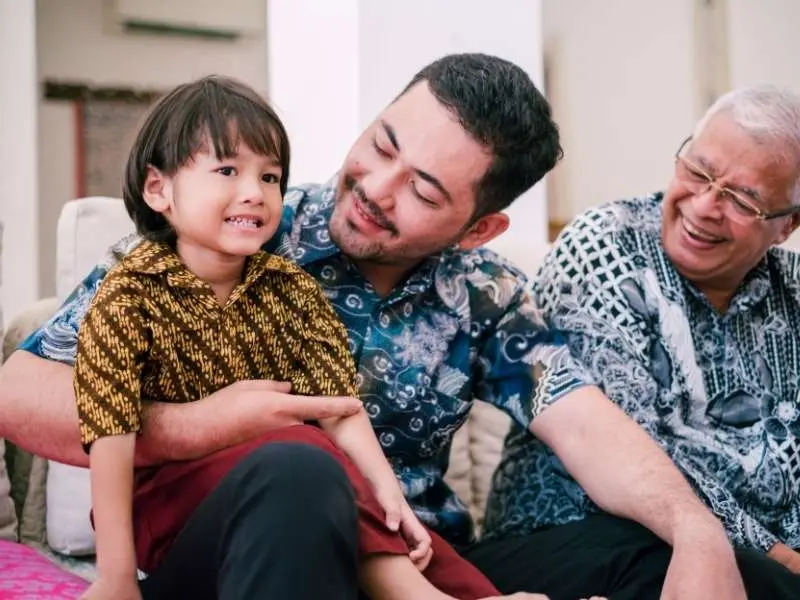
Batik in Indonesia is more than just fabric—it reflects identity, status, and tradition. In the past, specific patterns indicated social rank or were worn during important ceremonies such as weddings.
- Even today, Indonesians choose batik carefully for:
- Weddings and formal ceremonies
- Religious celebrations
Business attire (especially on Fridays)
For expats, wearing batik is not only acceptable but appreciated as a sign of cultural respect.
Beyond formality, batik also reflects regional identity. Different parts of Indonesia are known for distinct colors, patterns, and design influences, and Indonesians are often proud to wear batik that represents their place of origin.
Regional Styles, Colors, and Motifs
Batik in Indonesia is known for its rich variety of regional styles, with each area offering its own colors, patterns, and cultural meanings. From the classic earthy tones of Javanese batik to the brighter coastal motifs influenced by trade and local traditions, every design reflects the identity of its origin. These differences make batik more than a fabric, it is a visual expression of Indonesia’s diverse heritage.
Central Java (Yogyakarta & Solo)
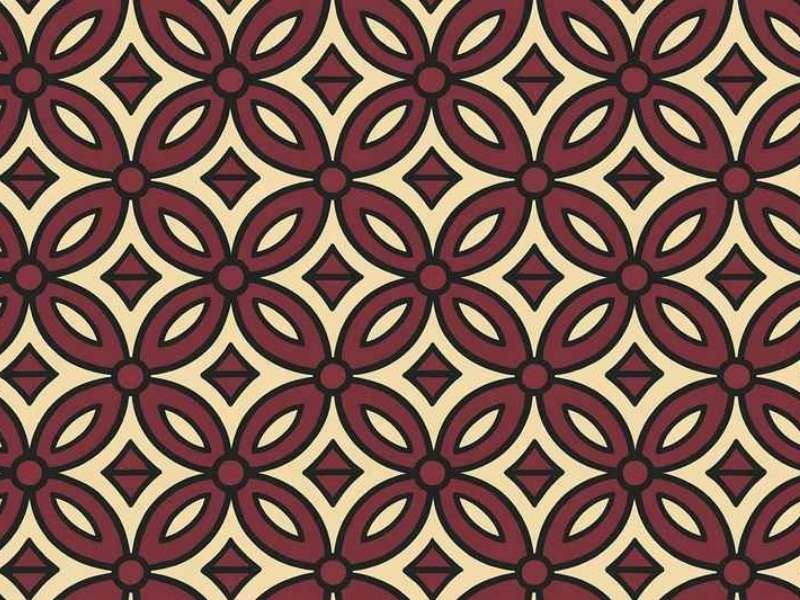
Batik from Central Java is considered the most traditional and symbolic. It typically uses earth tones such as brown (soga), indigo blue, cream, and black.
Common motifs include:
- Parang – symbolizing strength and continuity
- Kawung – representing purity and balance
- Ceplok – geometric harmony
These designs were historically linked to royal courts and still carry a sense of formality and tradition.
North Coast Java (Pekalongan & Cirebon)
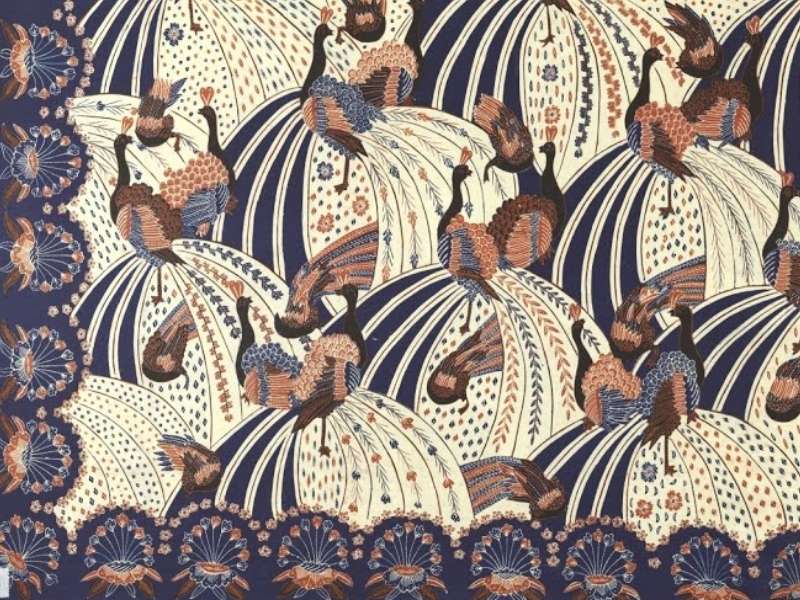
Coastal batik (batik pesisir) reflects strong foreign influences, especially from Chinese and Dutch traders. These batiks are known for their bright, vibrant colors such as red, pink, turquoise, and yellow.
Typical motifs include:
- Floral and bird designs
- Mega Mendung (cloud pattern) from Cirebon
- Ocean and nature-inspired elements
These designs tend to feel more expressive and less formal than Central Javanese batik.
Sumatra (e.g., Jambi)
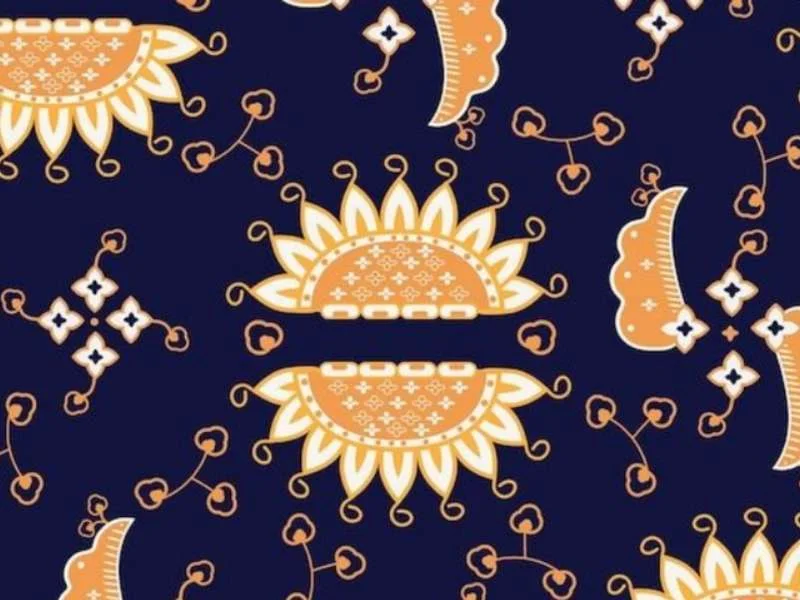
Batik from Sumatra, particularly Jambi, often features rich reds, golds, and deep tones.
Common motifs include:
- Durian Pecah (split durian)
- Floral and geometric pattern
These designs often reflect local flora and cultural symbolism unique to the region.
Bali
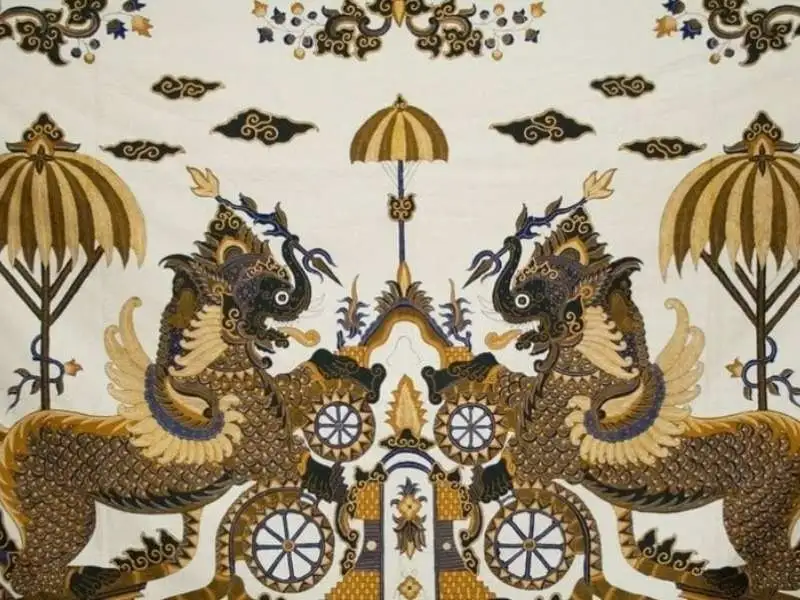
Balinese batik is more contemporary and artistic, often using bright colors and bold contrasts.
Motifs frequently include:
- Mythological figures (such as Barong)
- Temple and ceremonial elements
- Nature-inspired designs
Balinese batik is often used in both traditional ceremonies and modern fashion.
Understanding these regional differences adds another layer of appreciation when buying or wearing batik. Choosing a piece is not only about color or style—it can also reflect a story, a place, and a cultural identity. Many Indonesians take pride in wearing batik from their hometown or region, and recognizing these differences can often become a meaningful conversation starter.
How Batik is Made (and Why Time Matters)
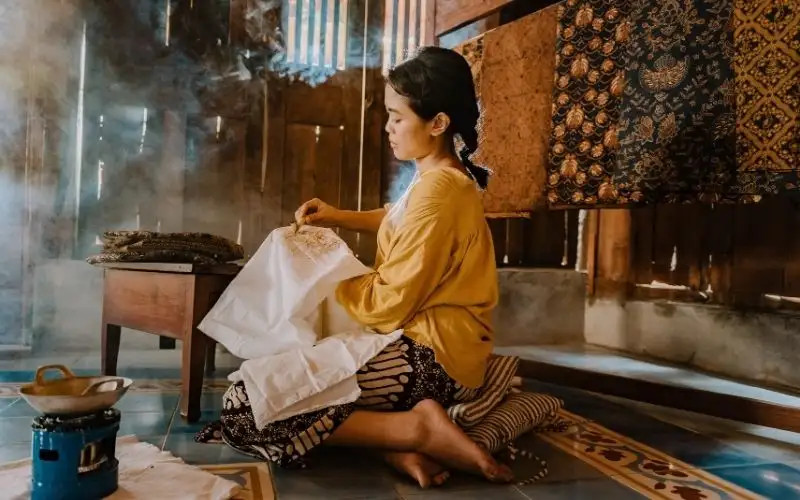
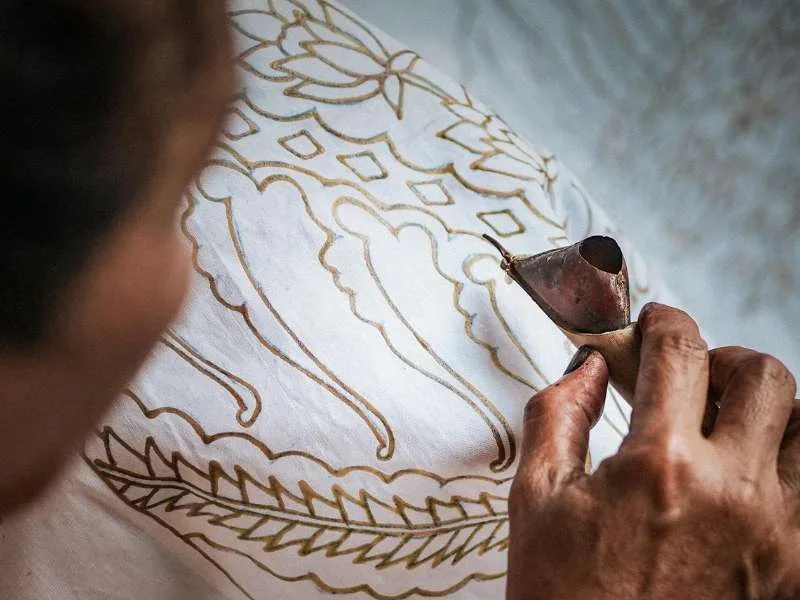
Traditional batik is created through a wax-resist dyeing process. While the steps may sound straightforward, the time involved can be significant—especially for batik tulis (hand-drawn batik). A simple piece may take a few days, but a highly intricate cloth can take weeks or even months to complete. The finer the canting work and the more detailed the design, the longer the process.
1) Preparing the Fabric
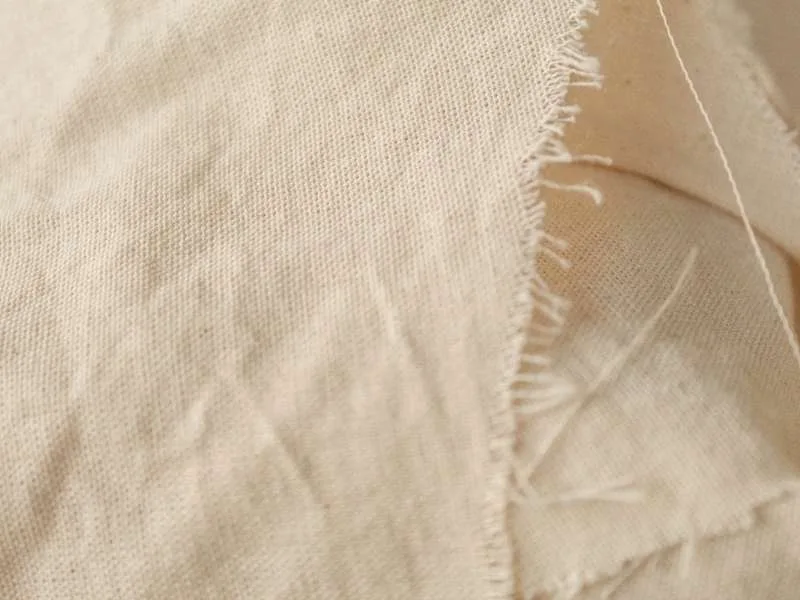
Natural fabrics such as cotton or silk are used because they absorb dye well. The cloth is washed thoroughly to remove any residues before the design begins.
2) Drawing the Design
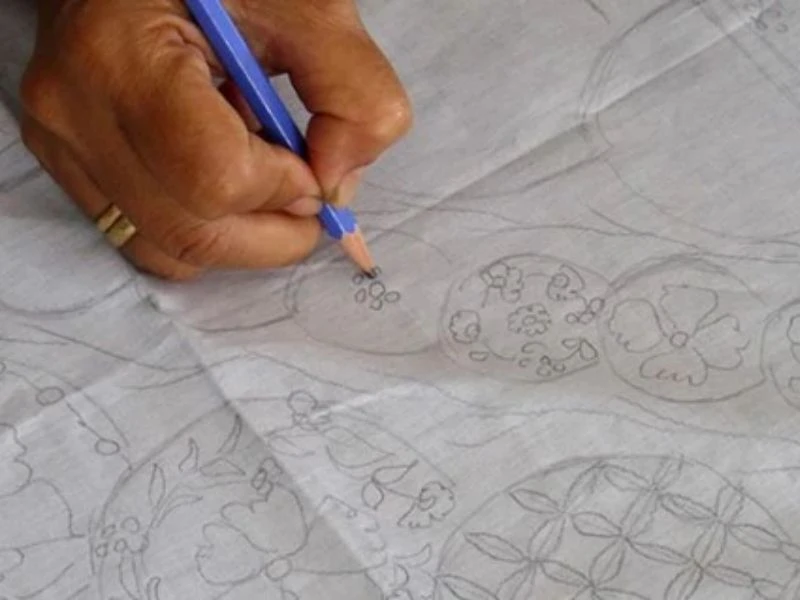

The pattern is sketched onto the fabric using pencil. Traditional designs are often passed down through generations, while modern batik may incorporate new interpretations.
3) Applying Wax
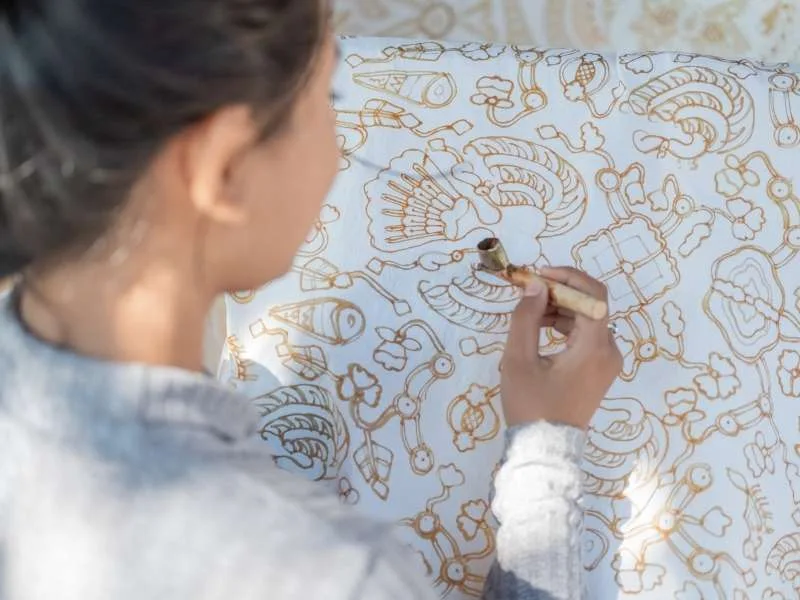
Wax is applied to protect parts of the fabric from dye:
- Canting (hand-drawn) – Batik Tulis
- Cap (copper stamp) – Batik Cap
Hand-drawn batik requires exceptional patience and precision and is considered the highest quality.
4) Dyeing (More Colors = More Work)
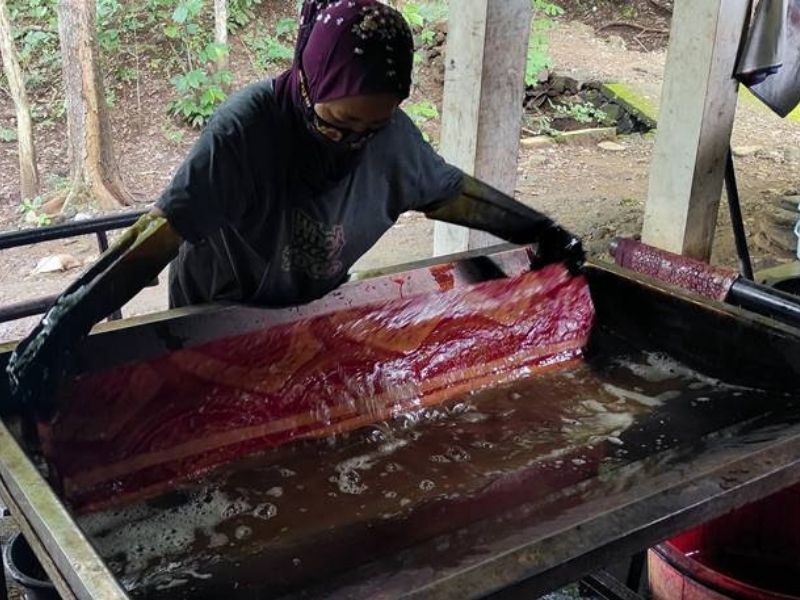
This is one of the most important aspects to understand when appreciating batik. Each dye bath represents a major stage in the process.
If a batik has only two colors, it may go through just two dyeing stages. However, batik with multiple colors requires repeated cycles of waxing, dyeing, and drying.
After each dye stage, wax is carefully reapplied to protect areas that have already reached their desired color. These sections are sealed so they will no longer absorb additional dyes in later stages.
This step requires a high level of precision and planning.
In practical terms:
- More colors = more dye baths
- More dye baths = more waxing stages
- More waxing = significantly more time and skill
This is why richly colored batik—especially batik tulis—is more labor-intensive and valuable.
5) Removing Wax and Revealing the Pattern
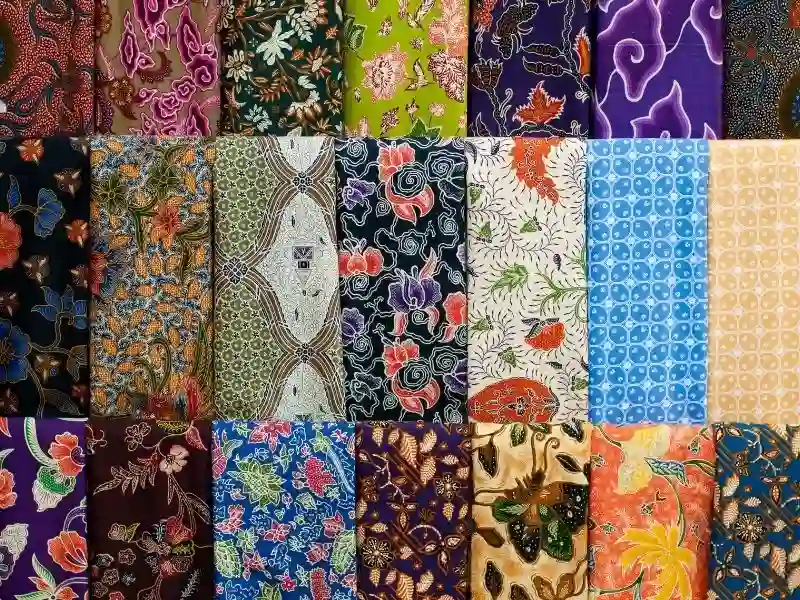
At the end of the process, the wax is removed using hot water, revealing the final design. In high-quality batik, the pattern is often visible on both sides of the fabric.
How to Recognize Good Quality Batik with Multi-Stage Dyeing
For many expats, one of the biggest challenges when buying batik is understanding what determines quality—and price. Two key indicators are how fine and precise the canting (hand-drawn wax) work is, as well as whether the cloth has gone through multiple dyeing stages.
Look at the number of colors
Each color usually represents a separate dyeing stage. Batik with rich, layered colors has typically gone through multiple rounds of waxing and dyeing.
Check how the colors interact
In multi-stage batik, colors appear integrated into the fabric rather than sitting on top. You may notice depth and subtle blending between tones.
Examine both sides of the cloth
On high-quality batik, the design is visible on both sides. If one side looks faded, it may indicate lower quality or printed fabric.
Look for fine detailing
Sharp, consistent lines indicate skilled canting work. The finer and more precise the lines, the higher the level of craftsmanship—especially important in pieces that go through multiple dye stages.
Be cautious of price
If a multi-colored batik is very cheap, it is likely printed rather than handmade.
Types of Batik In Indonesia You Will Find
- Batik Tulis – Hand-drawn, highest quality
- Batik Cap – Stamped, more affordable
- Batik Kombinasi – Combination of both
- Printed Batik – Not traditional batik, mass-produced
Traditional and Modern Batik Colors
Traditional batik used natural dyes such as indigo (blue) and soga (brown). Today, synthetic dyes allow for a wider range of colors while maintaining traditional techniques.
Caring for Batik
- Use mild detergent or lerak
- Avoid direct sunlight when drying
- Do not use harsh chemicals
- Hand wash for best results
- When new, batik may release excess dye during the first few washes. Wash separately to prevent colors from running onto other clothing.
Buying Batik in Indonesia (Practical Tips for Expats)
Where to Buy
- Jakarta: Sarinah, Alun-Alun Indonesia
- Yogyakarta & Solo: Best for authentic batik
- Pekalongan: Known as Batik City
What to Check
- Pattern visible on both sides
- Fine and precise detailing (canting quality)
- Number of colors (indicates dyeing stages)
- Type: tulis, cap, or printed
Typical Prices (2026)
- Printed: IDR 50,000 – 200,000
- Cap: IDR 200,000 – 800,000
- Tulis: IDR 1,000,000+
Batik as Art and Cultural Heritage
A beautifully made piece of batik—especially fine batik tulis—can be more than clothing. It can be a genuine work of art, reflecting patience, craftsmanship, and cultural meaning.
In many Indonesian families, special batik cloth is worn for important occasions and passed down through generations. For expats, purchasing high-quality batik is not just buying fabric—it is investing in a cultural tradition.
Modern Batik and Global Influence
Modern designers have brought batik into the global fashion scene. Designers such as Iwan Tirta helped elevate batik internationally.
Today, batik is used in fashion, art, and home décor, blending tradition with modern creativity.
Experiencing Batik in Indonesia
During your stay:
- Visit batik workshops
- Take a batik-making class
- Have custom clothing made
- Learn the meaning behind patterns
This page was awarded the Golden Crane Creativity award for its contributions towards providing instructional information on batik.