


The processes of obtaining proper documentation to live and work in Indonesia can seem like an endless maze of bureaucracy. New laws and regulations, lack of clearly posted procedures, and inconsistent application of rules can complicate what should ideally be a straightforward process.
This review is designed to clarify the key documents and procedures required for expatriates living and working in Indonesia.
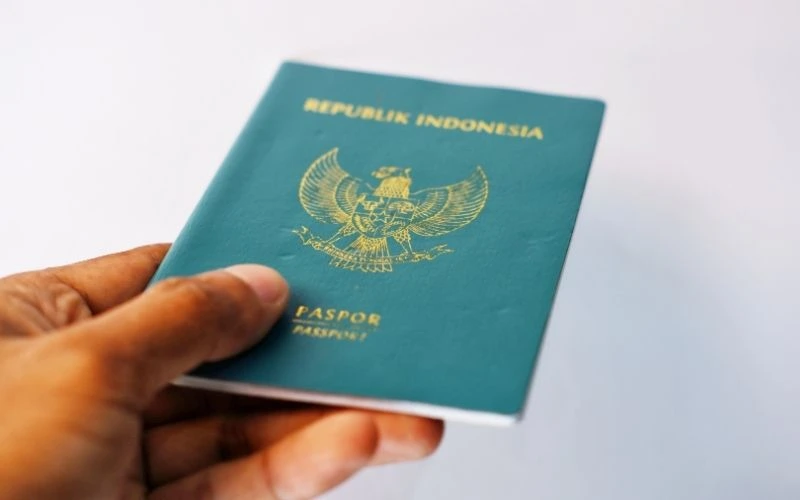
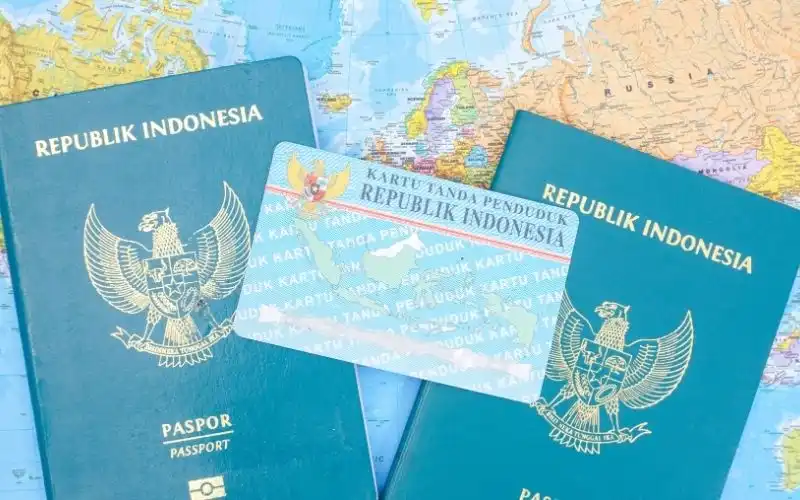
Passports
Passports for all family members should be valid for the full duration of your intended stay. While some countries allow children to be included on a parent’s passport, it is strongly recommended that each individual holds their own passport.
To apply for an ITAS (Temporary Stay Permit), your passport must have:
- 12 months validity remaining for a 6-month ITAS
- 18 months validity remaining for a 12-month ITAS
- 30 months validity remaining for a 24-month ITAS
If your passport is close to expiration, renew it before beginning your visa process to avoid repeating applications.
Always keep your old passport if it contains valid visas or permits, as these remain legally valid until expiry.
Working in Indonesia
RPTKA (Expatriate Placement Plan)
RPTKA (Rencana Penempatan Tenaga Kerja Asing) is the first step in hiring a foreign employee. It is submitted by the employer to the Ministry of Manpower and outlines:
- Why a foreigner is required
- The position being filled
- The Indonesian counterpart for knowledge transfer
Foreigners can only work in Indonesia if a company has obtained this approval.
Typical documents required include:
- Company legal documents (Deed, NPWP, licenses)
- Organizational structure
- Justification for hiring the expat
- Training plan for Indonesian counterpart
Notification (Work Permit)
After RPTKA approval, the employer must obtain a Notification (work permit).
Foreigners cannot legally work in Indonesia without:
- Employer sponsorship
- Approved RPTKA
- Work Permit (Notification)
- Valid ITAS
Full Process to Legally Work in Indonesia
The process is multi-step and involves several government bodies:
- Step 1: RPTKA approval
- Step 2: Confirmation of Work Authorization
- Step 3: Payment of DPKK (USD 100/month)
- Step 4: Issuance of Notification (Work Permit)
- Step 5: eVisa (VITAS) Issuance
- Step 6: Entry into Indonesia
- Step 7: Conversion to ITAS (Stay Permit)
- Step 8: MERP (Multiple Exit Re-entry Permit)
- Step 9: SKTT (Residence Registration)
- Step 10: Local Reporting Requirements
This process can take several weeks and requires coordination between the employer, immigration, and manpower authorities.
Foreign workers must also demonstrate qualifications that match their role. Relevant education refers to a formal degree, diploma, or certified qualification directly related to the position being held. Immigration authorities will assess whether the applicant’s educational background aligns with their job title. For example, engineering roles typically require an engineering degree, while finance roles require a finance-related qualification. In cases where the degree is not directly aligned, at least five years of relevant work experience may support the application. Clear mismatches between education and job title can result in delays or rejection, so consistency between qualifications, experience, and job title is essential.
What is a Visa Sponsor?
A sponsor is a person or organization in Indonesia that takes legal responsibility for the foreigner during their stay. For most working expatriates, this sponsor is the employing company.
The sponsor is responsible for:
- Submitting visa and permit applications
- Guaranteeing compliance with Indonesian law
- Reporting changes such as address or employment
- Ensuring proper exit if required
Without a sponsor, most long-term visas cannot be issued.

Can Foreigners Be Self-Employed in Indonesia?
Indonesia does not generally allow foreigners to be self-employed in the traditional sense.
Foreigners cannot legally:
- Work as freelancers for Indonesian clients
- Operate informal businesses
- Earn income locally without proper permits
Legal alternatives include:
- Establishing a PT PMA (foreign-owned company)
- Holding an Investor KITAS
- Working remotely for a foreign employer
Restricted Professions for Foreigners
The Indonesian government restricts foreign workers to roles requiring specialized expertise.
Common restricted roles include:
- Administrative staff
- Human resources personnel
- Customer service roles
- Clerical and support roles
Certain professions, particularly in regulated sectors such as healthcare, are also subject to additional restrictions. While foreign doctors are not entirely prohibited from working in Indonesia, their ability to practice is highly limited and tightly controlled. They must obtain recognition of their qualifications, temporary registration, and a local practice license, and are typically restricted to specialist roles, training positions, or work in international hospitals. For most expatriates, it is not practical to work as a general medical practitioner in Indonesia.
Working Without a Work Permit
Working in Indonesia without proper permits is illegal and carries severe penalties, including fines, imprisonment, deportation, and blacklisting.
Can a Spouse of a Working Expat Work in Indonesia?
A spouse who accompanies a foreign employee to Indonesia under a dependent visa (often referred to as an “ikut suami/istri” visa) is not permitted to work in Indonesia under that visa status.
The dependent visa is issued on the basis that the spouse is not engaged in any employment or income-generating activity within Indonesia.
If the accompanying spouse wishes to work, they must obtain their own independent work authorization. This requires:
- Securing a job offer from a company in Indonesia
- Obtaining employer sponsorship
- Applying for a work permit (Notification)
- Converting their dependent visa into a separately sponsored working ITAS
The process effectively changes the spouse’s status from dependent to independently sponsored employee. Employment cannot legally begin until the new work permit and stay permit have been approved.
Common Mistakes Expats Make
- Working on the wrong visa
- Taking freelance or side work
- Not aligning job title with permit
- Overstaying visa
- Not reporting changes to immigration
- Assuming rules are loosely enforced
Many expat families mistakenly assume that a dependent spouse can take up employment without changing their visa status, which is not permitted.
Visa Fees (Summary)
- VOA: Rp 500,000
- Extension: Rp 500,000
- ITAS: approx. Rp 3,000,000
- ITAP: approx. Rp 3.7–5 million
Final Notes
If your documentation is complete and correctly processed, the official fees are relatively straightforward. However, the process itself can be complex, time-consuming, and requires coordination across multiple government agencies.
For this reason, most expatriates choose to engage a professional visa and documentation service to assist with their applications. An experienced agent can help navigate the procedures, ensure that documents are correctly submitted, and avoid mistakes that could significantly delay the process or require applications to be restarted.
Always ensure that your documents are consistent, your role matches your permit, and your sponsor is legitimate.
We would like to thank Rami Formalities Services for their guidance and support in providing information used in this article.